
A well-designed Christmas light display can transform your home into a festive landmark in the neighborhood. While many homeowners opt for traditional multicolored strands, a deliberate color-themed approach elevates your display from ordinary to extraordinary. Whether you're aiming for elegance, whimsy, or boldness, a cohesive color scheme brings visual harmony, enhances curb appeal, and captures attention. This guide walks through the strategic steps, design principles, and practical execution needed to craft a Christmas lighting experience that resonates with viewers and reflects your personal style.
1. Choose a Focused Color Palette
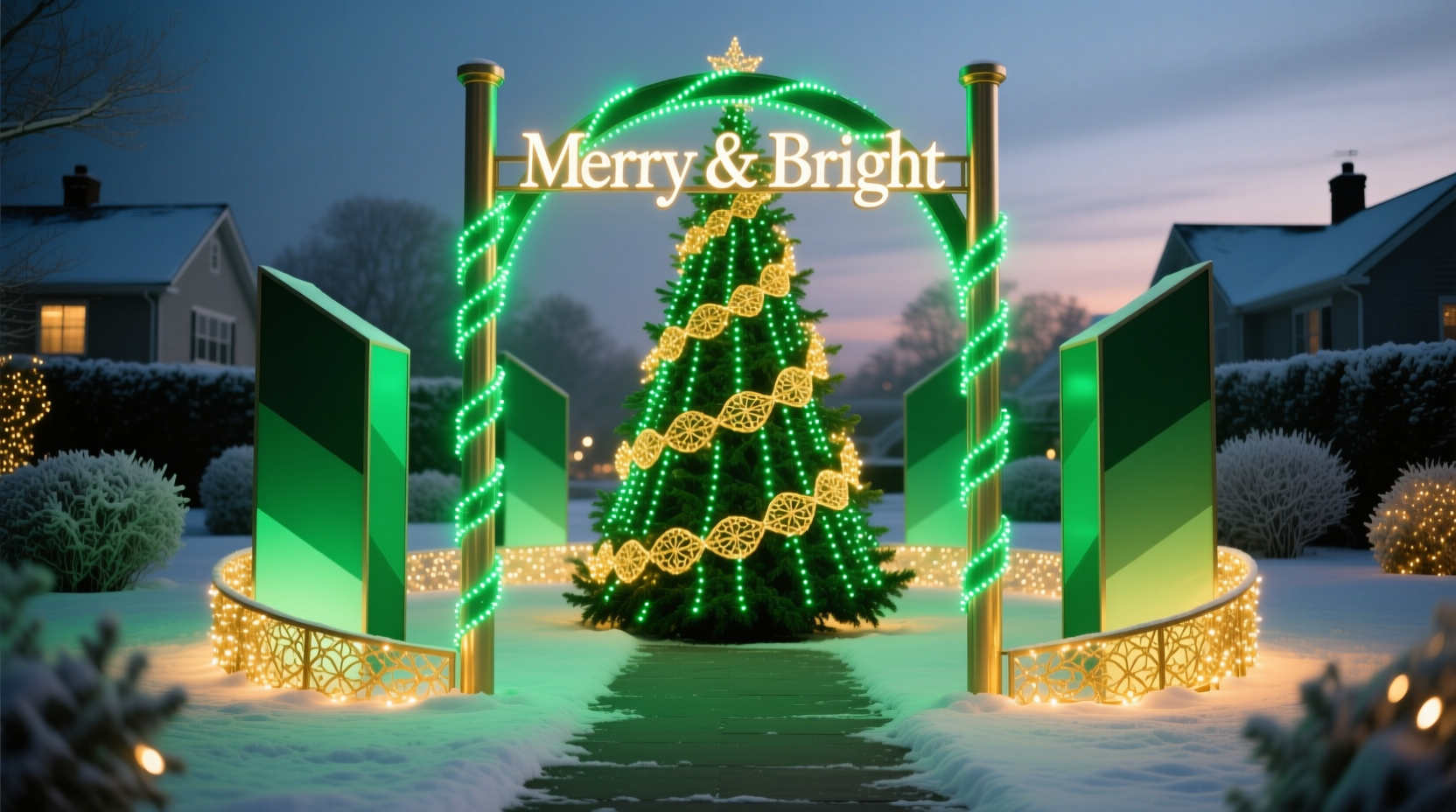
The foundation of any standout display is a carefully selected color palette. Instead of defaulting to red and green or rainbow mixes, consider what mood you want to evoke. A unified theme creates a strong visual identity and ensures your display feels intentional rather than chaotic.
Popular color themes include:
- Monochromatic White: Elegant and modern, using varying shades of white (warm, cool, daylight) for depth.
- Cool Tones: Blues, silvers, and purples for a winter wonderland or icy forest effect.
- Warm Tones: Ambers, golds, and deep reds for a cozy, nostalgic feel.
- Festive Contrast: Classic red and green or red and white for timeless holiday cheer.
- Unconventional Palettes: Pink and teal, navy and copper, or blacklight-reactive colors for playful creativity.
When selecting colors, consider your home’s exterior. A white or gray house pairs beautifully with cool tones, while brick homes often complement warm palettes. Test samples at dusk before finalizing—colors appear differently under night conditions.
2. Plan Your Layout with Purpose
Before hanging a single strand, sketch a rough layout. Identify key architectural features—rooflines, eaves, windows, columns, trees, and walkways—and decide which elements will serve as focal points.
Begin by mapping zones:
- Roofline: The most visible area; ideal for outlining or cascading effects.
- Front Porch: Enhances entryway warmth and welcomes guests.
- Landscape Features: Trees, shrubs, and railings offer depth and dimension.
- Ground-Level Accents: Path lights, stake markers, or illuminated figures add balance.
Use graph paper or free digital tools like SketchUp Free or Planner 5D to visualize placement. Assign specific colors to each zone based on your theme. For example, blue icicle lights along the roofline, white net lights on bushes, and purple rope lights framing the front door.
“Lighting isn’t just decoration—it’s storytelling. A color theme guides the viewer’s eye and emotion.” — Marcus Tran, Professional Holiday Lighting Designer
3. Select the Right Light Types for Maximum Impact
Different bulb types produce distinct effects. Match them to your color theme and design goals.
| Light Type | Best For | Color Suitability |
|---|---|---|
| Mini String Lights | Eaves, railings, indoor trees | All colors; excellent color consistency |
| Icicle Lights | Rooflines, gutters | Cool tones (blue, white), but also effective in warm drops |
| Net Lights | Bushes, hedges, flat surfaces | White, green, blue for coverage |
| Rope Lights | Columns, window frames, custom shapes | Versatile; good for outlining in any hue |
| Projectors | Lawns, walls, snow scenes | Themed patterns (snowflakes, reindeer) in matching colors |
| LED Candles / Flame Bulbs | Windowsills, lanterns | Warm white, amber for flicker realism |
LED lights are recommended for energy efficiency, longevity, and cooler operation. They also offer superior color saturation compared to incandescent bulbs. Ensure all lights are rated for outdoor use and check IP (Ingress Protection) ratings—IP44 or higher is ideal for weather resistance.
4. Create Depth and Dimension
A flat display lacks visual interest. To make your color theme pop, layer lighting across multiple planes.
Start with a base layer: outline major structures with your primary color. Then, build upward with accent layers—wrap trees in a complementary shade, add spotlights behind shrubs, or hang starburst clusters from overhangs. Finally, include foreground elements like lit reindeer, glowing candy canes, or pathway markers in coordinating tones.
For example, a “Winter Frost” theme might use:
- Base: Cool white strings along roofline and porch railing.
- Middle: Blue net lights on evergreen bushes.
- Accent: Silver LED snowflake projectors on the lawn.
- Foreground: Frosted pinecone stakes with embedded white LEDs.
Consider motion. Add a few slow-blink or twinkling strands within your static layout to simulate falling snow or distant stars. Avoid overuse—subtle movement enhances, not overwhelms.
5. Real Example: The Midnight Peppermint Display
In Asheville, NC, homeowner Lena Cho transformed her Victorian home into a viral sensation with a “Midnight Peppermint” theme. She used deep navy, shimmering silver, and pops of crimson to mimic crushed peppermint candies under moonlight.
Her strategy:
- Outlined gables and turrets in navy rope lights.
- Filled turret windows with red LED candles.
- Wrapped spiral columns in alternating silver and red mini lights.
- Placed oversized peppermint-shaped signs lit from behind in crimson.
- Used a projector to cast swirling snowflakes in silver across the front lawn.
The result was both whimsical and sophisticated. Neighbors reported slowing down to admire it, and local news featured her display. Lena credits the success to restraint: “I didn’t use more than three colors, and I turned off half my original ideas to keep it clean.”
6. Step-by-Step Guide to Installation
Follow this timeline to ensure a polished, stress-free setup:
- Week 1: Design & Purchase
Sketch your plan, finalize colors, and order lights. Buy 10% extra for errors or future repairs. - Week 2: Test & Organize
Test every string. Coil and label by color and type. Charge batteries for wireless items. - Week 3: Install Infrastructure
Attach clips, hooks, and conduit. Run extension cords safely—use GFCI outlets and outdoor-rated cables. - Week 4: Hang Primary Lights
Begin with outlines and large areas. Work top to bottom. Secure connections off the ground. - Week 5: Add Accents & Test
Install projectors, figures, and specialty lights. Test full setup at night. - Week 6: Refine & Automate
Adjust misplaced bulbs, hide cords, and program timers. Set lights to turn on at dusk and off at midnight.
7. Maintenance and Safety Checklist
Ensure your display remains safe and stunning throughout the season.
📋 Holiday Lighting Safety & Maintenance Checklist- ✅ Inspect all cords for fraying or damage before installation.
- ✅ Use only outdoor-rated extension cords and connectors.
- ✅ Keep connections elevated and covered to avoid water exposure.
- ✅ Don’t overload circuits—follow wattage limits for outlets.
- ✅ Clean lenses and housings monthly to maintain brightness.
- ✅ Check for sagging or loose sections after wind or snow.
- ✅ Store spare bulbs and fuses in a labeled kit.
- ✅ Turn off lights during severe storms.
“Most electrical issues stem from poor cord management, not the lights themselves. Elevate connections and use drip loops.” — National Fire Protection Association Safety Bulletin
8. Frequently Asked Questions
Can I mix different color temperatures of white lights?
Yes, but intentionally. Mixing warm white (2700K) and cool white (5000K) can create a dynamic effect—such as warm near windows and cool along roof edges. Avoid random mixing, as it can look inconsistent.
How do I prevent my color theme from looking too harsh or garish?
Balance intensity with spacing and diffusion. Use sheer netting on bright displays, increase distance between dense strands, or incorporate unlit zones for visual rest. Soft whites or pastels often feel calmer than saturated primaries.
Are smart lights worth it for a color-themed display?
For simple themes, standard colored LEDs are sufficient. However, RGB smart lights offer flexibility—you can test multiple themes digitally, schedule changes, or sync to music. Ideal for experimental designers or annual revamps.
Final Touches and Year-Round Value
A color-themed Christmas display isn’t just seasonal decoration—it becomes part of your home’s character. Consider investing in reusable, high-quality components. Label storage bins by color and zone so setup next year takes half the time.
After the holidays, take notes: What worked? What felt cluttered? Use feedback to refine your theme annually. Some homeowners rotate palettes—navy one year, rose gold the next—keeping their display fresh and anticipated.
Remember, a standout display doesn’t require the most lights—it requires the clearest vision. When color, structure, and emotion align, your home doesn’t just shine; it tells a story.
Conclusion
Creating a color themed Christmas light display that stands out begins with intention and ends with delight. From choosing a focused palette to layering light with purpose, every decision shapes the experience. By combining design insight, technical care, and creative courage, you can craft a display that draws neighbors, warms hearts, and becomes a cherished tradition.




 浙公网安备
33010002000092号
浙公网安备
33010002000092号 浙B2-20120091-4
Comments
No comments yet. Why don't you start the discussion?