
In a studio apartment, every square foot counts. With limited space, carving out a dedicated area for relaxation—especially something as indulgent as a reading nook—can seem like a luxury few can afford. Yet, the need for a personal retreat where you can unwind with a book is more essential than ever. A well-designed reading nook doesn’t require extra rooms or expansive layouts; it requires intentionality, creativity, and a few strategic choices. Whether tucked into a corner, nestled beside a window, or cleverly integrated into your existing layout, a cozy reading space can elevate both comfort and mental well-being in even the smallest homes.
Choose the Right Location Strategically
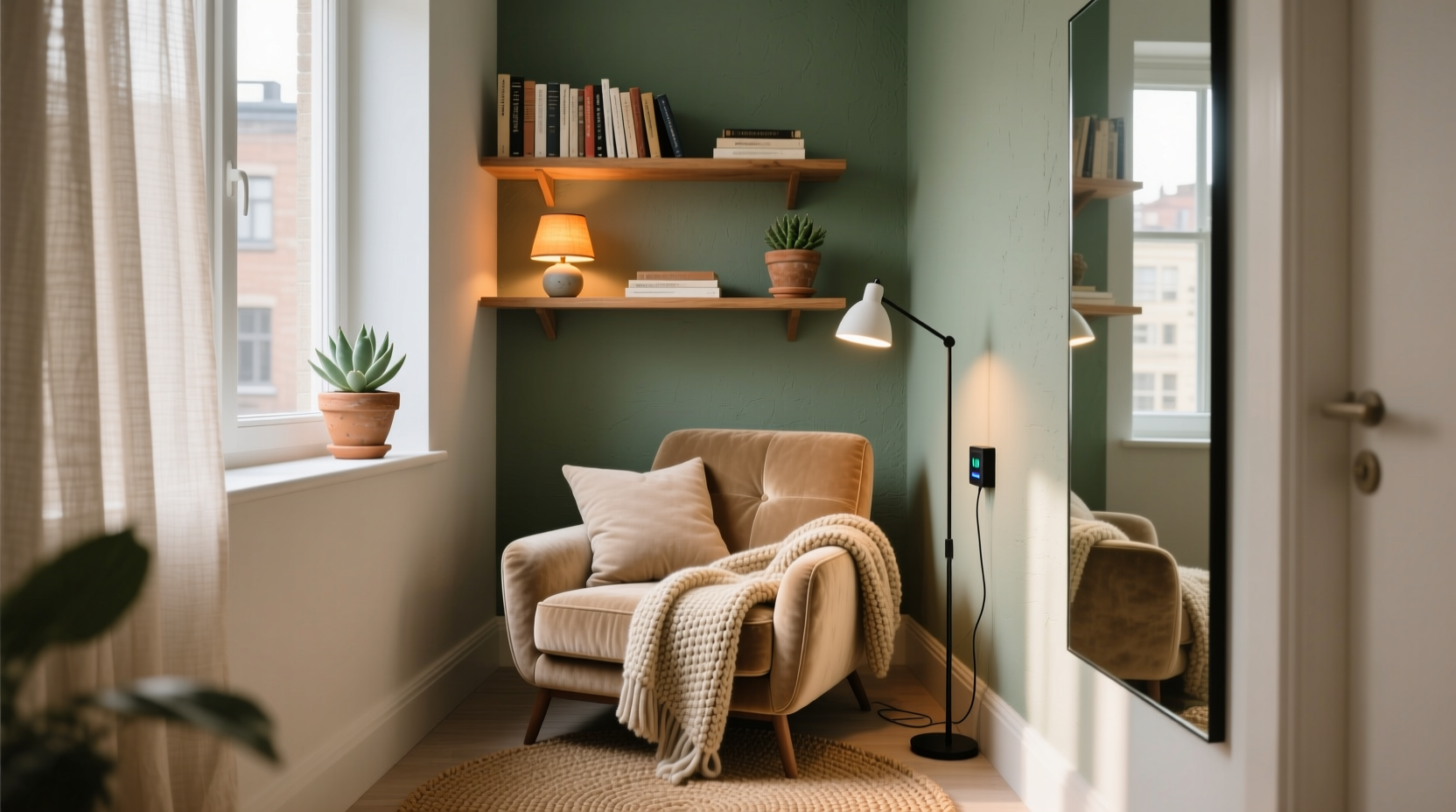
The first step in creating a functional reading nook is identifying the best possible spot within your studio. Since space is limited, location is not just about convenience—it’s about maximizing natural light, minimizing disruption, and maintaining flow in the room.
Look for underutilized zones: the alcove beside your bed, the wall opposite your sofa, or the recess near a window. Avoid placing your nook directly in high-traffic paths or in front of primary storage areas. Natural light is ideal for reading, so prioritize spots with access to windows. However, if that isn't possible, artificial lighting can compensate effectively with the right setup.
If your studio has high ceilings, consider vertical space. A lofted reading perch or a suspended chair can free up floor area while adding visual interest. Alternatively, a nook behind a room divider or bookshelf can create psychological separation without blocking light or airflow.
Select Compact, Multi-Functional Furniture
Furniture selection is critical in a small space. Every piece must serve a purpose—ideally more than one. The goal is to invite comfort without sacrificing mobility or functionality.
A compact armchair, a cushioned window seat, or a foldable reading bench can act as anchors for your nook. If floor space is extremely tight, consider a wall-mounted swing seat or a deep windowsill padded with cushions. Ottomans with hidden storage are excellent—they double as footrests and provide a place to stash books or blankets.
| Furniture Type | Best For | Space-Saving Benefit |
|---|---|---|
| Folding Chair | Tiny studios, temporary use | Folds flat against wall when not in use |
| Ottoman with Storage | Comfort + organization | Doubles as seating and storage |
| Hanging Chair | Vertical spaces, corners | No floor footprint, adds whimsy |
| Narrow Bookshelf Bench | Window areas, long walls | Seat + display + storage in one |
When selecting furniture, measure twice. Ensure there’s at least 18–24 inches of clearance around the seating for easy movement. Opt for lightweight materials that can be repositioned seasonally. Light-colored upholstery or fabrics help maintain an airy feel, preventing the space from feeling boxed in.
Layer Lighting for Ambience and Function
Reading demands good illumination, but in a studio, overhead lighting alone can feel harsh or impersonal. Layering different types of light creates both practicality and mood.
Start with ambient lighting—this could be your ceiling fixture or indirect LED strips along shelves. Then add task lighting: a slim arc floor lamp, a wall-mounted swing-arm sconce, or a clamp-on reading light attached to a shelf. These take up little space and direct light exactly where needed. Finally, incorporate accent lighting: fairy lights draped over a curtain rod, a small salt lamp, or a candle-style LED for warmth.
Smart lighting systems allow dimming and scheduling, which means you can transition from bright daylight reading to soft twilight mode with a tap on your phone. Battery-powered puck lights inside a floating shelf can also highlight favorite books while adding subtle glow.
“Lighting is the soul of a reading space. It should guide your eyes comfortably across the page and signal to your brain that this is a place of calm.” — Lena Torres, Interior Designer & Wellness Space Consultant
Optimize Storage Without Clutter
A reading nook needs accessible storage, but clutter kills coziness. In a studio, open shelves can make the space feel busy. The key is curated containment.
Use narrow floating shelves above or beside your seat to hold a rotating selection of 5–7 books. Install a small magnetic rack underneath a shelf to hang bookmarks, reading glasses, or a notebook. A fabric basket tucked beside your chair can store throws or larger volumes out of sight.
Consider digital minimalism: keep only the books you’re currently reading or deeply love on display. Store the rest in labeled bins under your bed or in a closet. Rotate them seasonally to keep the nook fresh.
- Use stackable acrylic boxes for small accessories
- Attach a door pocket organizer to the back of a nearby cabinet for magazines
- Label containers to maintain order
- Limit decorative items to three per surface to avoid visual noise
Mini Case Study: Clara’s Window Nook Transformation
Clara lives in a 400-square-foot Brooklyn studio where her bed occupies one wall and her kitchenette another. She wanted a reading space but thought she had “no room.” After measuring, she realized the 3-foot-wide window alcove beside her bed was underused. She removed the old radiator cover and replaced it with a custom-fit cushioned bench made from plywood and foam, covered in washable linen fabric.
She mounted two slim shelves above the window and added a pivoting wall light. A foldable side table clipped onto the bench arm held her tea. A removable sheepskin throw added winter warmth. The entire project cost under $150 and reclaimed a forgotten zone into her favorite daily ritual spot. “It feels like a secret garden now,” she said. “I read for 30 minutes every morning before work, and it changed my whole day.”
Infuse Personality and Comfort
A cozy nook isn’t just functional—it should feel like *you*. Personal touches transform a corner into a sanctuary.
Start with textiles: a textured throw, a lumbar pillow in your favorite color, or a small rug to define the zone. Choose fabrics that invite touch—knits, faux fur, cotton terry—because tactile comfort enhances relaxation. Even in summer, having a light wrap nearby makes extended reading sessions enjoyable.
Add scent subtly: a reed diffuser with sandalwood or lavender, or a seasonal essential oil blend in a mini humidifier. Smell strongly influences mood, and calming aromas deepen the sense of retreat.
Art and inspiration matter too. Hang a single framed quote, a small canvas, or a postcard in a clip frame. Avoid overcrowding—let the space breathe. If you love plants, a trailing pothos in a hanging planter or a succulent on a shelf brings life without taking space.
Step-by-Step Guide to Building Your Nook in One Weekend
- Saturday Morning: Assess your studio layout. Identify 2–3 potential nook locations. Measure each and note light sources and traffic flow.
- Saturday Afternoon: Visit a home store or browse online for compact seating and lighting. Purchase or assemble your core pieces (chair, light, small shelf).
- Sunday Morning: Set up your chosen spot. Position furniture, install lighting, and anchor the area with a small rug or mat.
- Sunday Afternoon: Add personal elements—pillows, a throw, 5 favorite books, and a scented item. Test lighting at night to ensure readability.
- Final Step: Sit down with a beverage and read for 20 minutes. Adjust anything that feels off—height, glare, comfort.
Common Pitfalls to Avoid
Even well-intentioned nooks can fail if they overlook practical realities. Here are frequent missteps and how to prevent them:
- Blocking natural light: Don’t place large furniture in front of windows. Use transparent or low-profile designs instead.
- Over-decorating: Resist stacking knick-knacks. A minimalist approach feels more serene.
- Ignoring ergonomics: Ensure your seating supports your back. Slouching leads to discomfort and shorter reading sessions.
- Forgetting power access: If you read e-books or listen to audiobooks, include a nearby outlet or USB hub.
FAQ
Can I have a reading nook if I don’t have a window?
Absolutely. While natural light is ideal, a well-lit interior corner with layered artificial lighting can be just as effective. Use warm-toned LEDs and reflective surfaces (like a mirror or glossy shelf) to amplify brightness.
How do I keep the nook from looking cluttered?
Adopt a “one in, one out” rule for books and decor. Limit visible items to essentials only. Use closed storage for extras and clean the space weekly to reset its purpose.
What if my roommate or partner uses the same studio?
Designate the nook as a shared quiet zone with agreed-upon usage times. Use portable elements—like a folding chair or a lap desk—that can be moved or stored when not in use.
Your Cozy Retreat Starts Today
A reading nook in a studio apartment isn’t about size—it’s about intention. With thoughtful planning, multi-functional design, and personal touches, even the tiniest corner can become a haven for stories, stillness, and self-care. You don’t need a mansion or a spare room to cultivate a habit of reading; you need a chair, a light, and the permission to pause.
This isn’t just about interior design. It’s about creating a ritual, a space where your mind can slow down and your imagination can expand. Start small. Use what you have. Build it gradually. The perfect nook isn’t found—it’s made, one deliberate choice at a time.




 浙公网安备
33010002000092号
浙公网安备
33010002000092号 浙B2-20120091-4
Comments
No comments yet. Why don't you start the discussion?