
There’s something deeply comforting about curling up with a good book in a quiet, inviting space. A reading nook doesn’t need to be large or luxurious—it just needs to feel like your own sanctuary. The good news? You can build one for less than $100. With thoughtful planning and a few clever shopping strategies, even the tiniest corner of your home can become a haven for relaxation and imagination.
Whether you live in a studio apartment, share a house, or simply want to reclaim unused space, this guide walks you through practical, stylish, and affordable ways to design a reading nook that reflects your personality and supports your reading habits—all without breaking the bank.
Choose the Right Spot
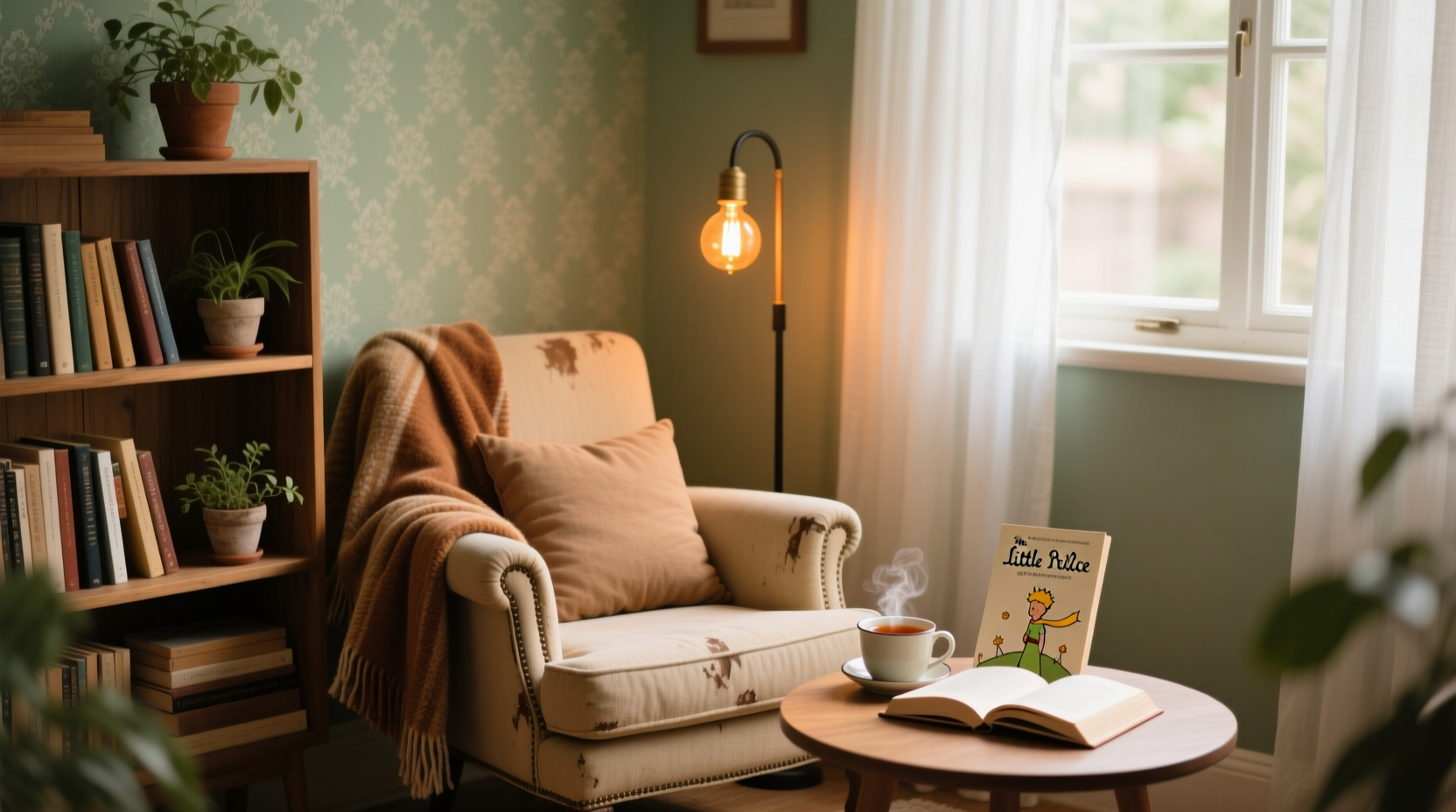
The foundation of any great reading nook is location. Look for quiet, naturally lit corners where distractions are minimal. Ideal spots include:
- A bay window with natural light
- An empty corner beside a bookshelf
- Under a staircase or in a closet conversion
- Beside a bedroom door or near a balcony entrance
Natural light enhances readability and mood, but avoid direct sunlight that may cause glare or fade materials over time. If privacy is limited, consider using a room divider or tall plant to visually separate your space.
Maximize Small Spaces
Tight on square footage? Use vertical space. Install floating shelves above your seating area for books and décor. A narrow floor-to-ceiling bookcase fits in gaps as small as 12 inches. Even an unused closet can be transformed—remove the doors, add cushioned seating, and install soft lighting for a hidden retreat.
Comfortable Seating Under $50
Comfort is non-negotiable. Your seat should support long reading sessions without strain. Fortunately, there are several low-cost options that deliver both function and style.
Consider these budget-friendly seating choices:
- Foldable bean bag chairs – Priced between $30–$50, they’re lightweight and conform to your body.
- Poufs or floor cushions – Often under $40, especially during sales at stores like IKEA or Target.
- Secondhand armchairs – Check Facebook Marketplace, Craigslist, or thrift stores. Refurbish with slipcovers (starting at $15).
- Window bench DIY – Build a simple wooden bench with storage underneath using plywood and foam padding (materials ~$60).
If you’re renting or can’t modify furniture, use thick floor pillows layered with a rug to simulate a lounge vibe. Add a small ottoman or repurpose a sturdy footstool for leg elevation.
“Ergonomics matter even in casual spaces. A well-supported posture reduces fatigue and makes reading more enjoyable.” — Dr. Lena Torres, Occupational Therapist specializing in home wellness
Lighting That Sets the Mood
Reading requires adequate illumination, but ambiance matters too. Combine task lighting with soft glow elements to create warmth.
Affordable lighting solutions include:
- Clip-on LED book lights – Attach directly to headboards or shelves (~$10).
- Floor lamps from discount retailers – IKEA’s “FLOALT” or “TERTIAL” models range from $25–$40.
- String lights or fairy lights – Drape along walls or shelves for $8–$15; choose warm white for coziness.
- Cheap table lamps with dimmer switches – Available at thrift stores or Amazon Basics line (~$20).
Position your main light source behind or beside you to prevent shadows on the page. Avoid overhead lighting alone—it can feel harsh and clinical.
| Light Type | Cost Range | Best For |
|---|---|---|
| Clip-on Book Light | $8–$15 | Tight spaces, renters, bedside setups |
| Floor Lamp (New) | $25–$50 | Corner seating, dedicated nooks |
| Fairy Lights | $10–$20 | Atmosphere, accent lighting |
| Thrifted Table Lamp | $10–$25 | Character-filled spaces, vintage lovers |
DIY Decor and Personal Touches
A cozy atmosphere comes from personalization. You don’t need expensive art or custom pieces—creativity trumps cost here.
Try these under-$30 ideas:
- Frame postcards or book covers – Print favorite literary quotes online (free), frame in dollar store frames.
- Create a mini gallery wall – Use washi tape or adhesive hooks (no nails) to hang artwork.
- Add greenery – A small snake plant or pothos costs $8–$12 and purifies air while adding life.
- Use fabric remnants – Turn old scarves or thrifted curtains into throw pillow covers or a canopy.
Include a small side table or repurpose a stack of hardcover books topped with a tray for holding tea, glasses, or bookmarks. A basket nearby keeps blankets neatly stored and within reach.
Color Psychology and Coziness
Soft, warm tones promote relaxation. Paint a single accent wall if allowed (sample paint pots are ~$5), or use removable wallpaper ($20–$30 per roll). Earthy hues like sage green, terracotta, or deep navy evoke calm. Pair with textured fabrics—knit throws, corduroy cushions, or sheepskin rugs—to enhance tactile comfort.
Step-by-Step Guide: Building Your Nook in One Weekend
You can complete your reading nook in two days with focused effort. Follow this timeline:
- Day 1 Morning: Choose & Clear Space (1 hour)
- Select your corner
- Remove clutter, clean the area
- Day 1 Afternoon: Shop Smart (2–3 hours)
- Visit thrift stores, discount retailers, or browse online marketplaces
- Buy seating, lighting, and one decorative item
- Stick strictly to a $70 max to leave room for extras
- Day 1 Evening: Assemble Core Elements (1.5 hours)
- Set up chair or floor seating
- Install lighting and test placement
- Lay down a rug to define the zone
- Day 2 Morning: Add Personal Details (1 hour)
- Hang artwork or string lights
- Place plants, books, and a blanket
- Day 2 Afternoon: Final Touches & Test Run (30 min)
- Sit down with a book
- Adjust lighting, cushion position, or accessories as needed
Mini Case Study: Sarah’s Closet Nook Transformation
Sarah, a graduate student in Chicago, lived in a 500-square-foot apartment with no spare rooms. She wanted a place to read without lying in bed. Her solution? Convert a shallow coat closet near her desk.
She removed the doors, painted the interior a soft gray ($6 sample pot), and installed a cushioned bench using plywood and memory foam scraps from a friend’s renovation. A $12 clip lamp provided reading light, and she hung fairy lights around the frame. Shelves above held her current reads, and a folded knit throw hung on a hook.
Total cost: $47. The nook became her daily escape—a quiet spot for journaling and novels. “It feels like my own little cabin,” she said. “I look forward to retreating there every evening.”
Smart Budget Checklist
Before you start, use this checklist to stay on track:
- ☐ Identify available space (window, corner, closet)
- ☐ Set a firm budget cap ($90–$100 max)
- ☐ Research secondhand sources (Facebook Marketplace, thrift stores)
- ☐ Prioritize seating and lighting (60% of budget)
- ☐ Choose multi-functional items (storage ottoman, shelf-side table)
- ☐ Incorporate free or repurposed décor (books, fabric, photos)
- ☐ Test comfort and lighting before finalizing
Avoid These Common Mistakes
Even with good intentions, small errors can undermine comfort or aesthetics. Watch out for:
| Mistake | Why It Hurts | Budget-Friendly Fix |
|---|---|---|
| Poor lighting angle | Causes glare or shadows on pages | Use a flexible-arm clip light |
| Overcrowding a small area | Makes space feel cramped | Stick to 3–4 key items: seat, light, surface, blanket |
| Ignoring airflow | Stuffy corners feel less inviting | Add a small plant or open window occasionally |
| Buying cheap materials that sag or wear fast | Short lifespan increases long-term cost | Invest slightly more in seating; save on décor |
FAQ
Can I create a reading nook in a shared space?
Absolutely. Use a folding screen, tall plant, or strategically placed bookshelf to create visual separation. Opt for portable seating like a pouf that can be moved when needed. The key is defining the space with a rug or lighting so it still feels intentional.
What if I can’t paint or drill into walls?
No problem. Removable wallpaper, adhesive hooks, tension rods, and freestanding shelves allow customization without damage. Use clip lights instead of mounted fixtures, and decorate with fabric, baskets, and movable art.
How do I keep the nook organized and clutter-free?
Assign a small basket or bin for reading essentials—bookmark, glasses, tea cup. Rotate books monthly to avoid pile-up. Store back issues of magazines or finished books on a nearby shelf. A tidy space supports mental clarity and relaxation.
Conclusion: Start Small, Read Big
A cozy reading nook isn’t about luxury—it’s about intention. With less than $100 and a weekend of effort, you can carve out a space that invites calm, focus, and joy. The right chair, a warm light, and a few personal touches transform ordinary corners into extraordinary escapes.
Start today. Find that forgotten corner, gather what you already have, and add just one new piece. Let your nook grow with you. Once it’s ready, pick up a book you’ve been meaning to read and settle in. You’ve earned this moment of peace.




 浙公网安备
33010002000092号
浙公网安备
33010002000092号 浙B2-20120091-4
Comments
No comments yet. Why don't you start the discussion?