
Reptiles are increasingly popular pets due to their quiet nature, unique appearance, and relatively compact space requirements. However, many new owners underestimate the time and effort involved in maintaining a healthy reptile environment. From daily misting to weekly substrate changes, upkeep can quickly become overwhelming—especially for busy individuals. The good news is that with thoughtful planning, the right species choice, and smart design, you can create a reptile habitat that thrives with minimal intervention.
A low-maintenance reptile setup doesn’t mean neglecting your pet’s needs. Instead, it focuses on sustainability, automation, and selecting species naturally suited to stable environments. This approach not only reduces your workload but also provides a more consistent and stress-free life for your reptile.
Selecting the Right Reptile Species
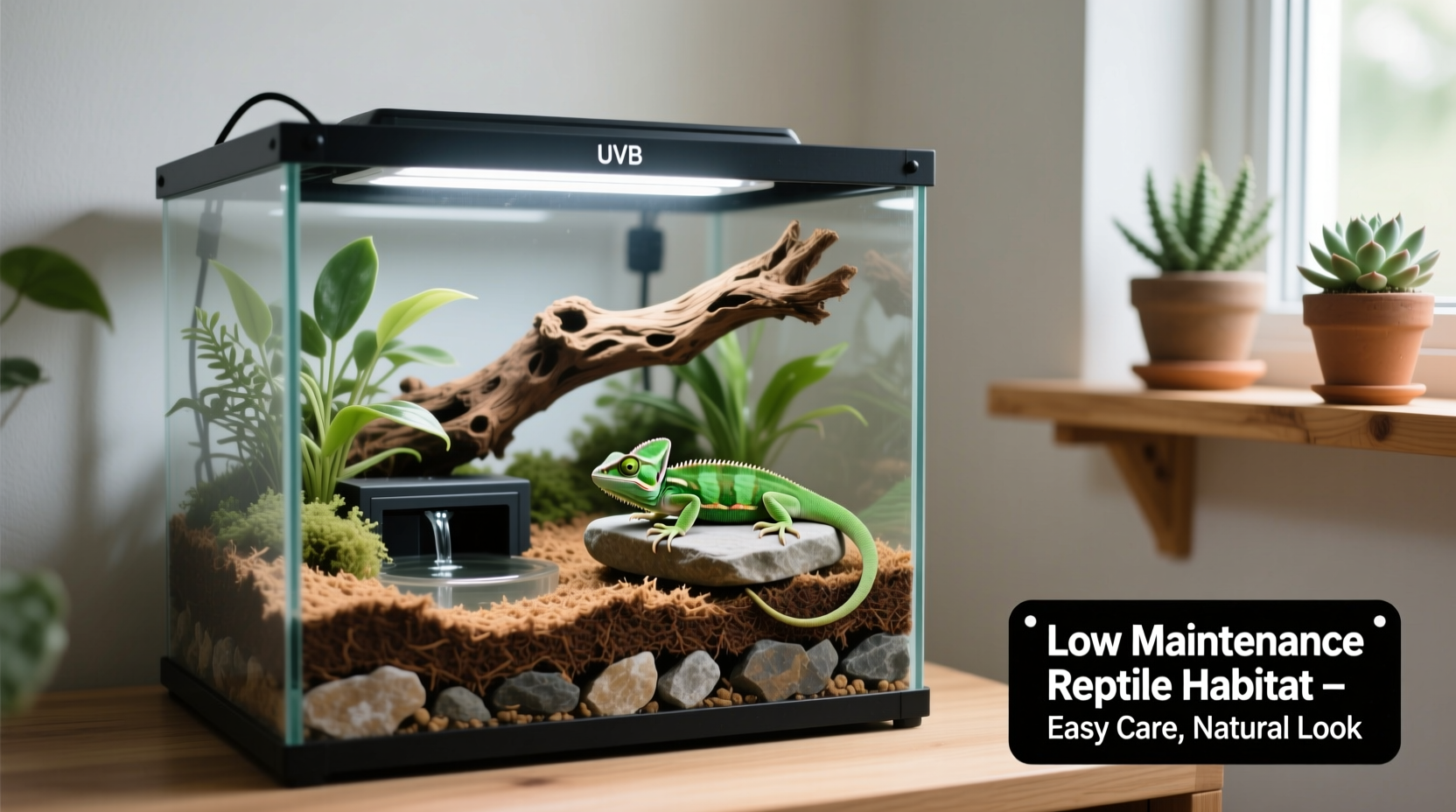
The foundation of a low-maintenance habitat begins with choosing a species that aligns with your lifestyle. Some reptiles require frequent feeding, complex humidity cycles, or specialized diets. Others thrive in stable conditions with infrequent handling and feeding schedules.
Species like leopard geckos, ball pythons, bearded dragons, and certain tortoises are excellent candidates for low-effort care. These animals are hardy, adaptable, and have predictable routines. For example, leopard geckos do not require UVB lighting if supplemented properly with vitamin D3, and they eat only every other day.
“Choosing a species with natural resilience and simple environmental needs is the first step toward a sustainable, low-maintenance reptile habitat.” — Dr. Laura Simmons, Herpetological Veterinarian
Designing a Self-Sustaining Enclosure
The enclosure is the heart of your reptile’s habitat. A well-designed tank minimizes cleaning frequency, reduces energy use, and supports natural behaviors. Key elements include proper ventilation, durable materials, and integrated systems that automate routine tasks.
Start with a glass or PVC terrarium with front-opening doors to reduce heat and humidity loss during access. Avoid mesh tops for most species, as they promote rapid moisture evaporation and require more frequent misting.
Consider using bioactive substrates such as coconut fiber mixed with clean topsoil and leaf litter. When combined with cleanup crews like isopods and springtails, this system breaks down waste naturally, reducing the need for full substrate replacements. Bioactive setups mimic natural ecosystems and can last years with only light surface maintenance.
Key Components of a Low-Maintenance Enclosure
- Durable, non-porous substrate (e.g., tile, slate, or bioactive mix)
- Front-opening access to minimize climate disruption
- Integrated drainage layer (for bioactive builds)
- Live, easy-care plants (e.g., pothos, snake plants)
- Secure hiding spots and climbing structures made from inert materials
Automation: Reducing Daily Chores
One of the most effective ways to cut down on daily reptile care is through automation. Modern technology allows for precise control over lighting, heating, and humidity with minimal human input.
Install programmable thermostats and timers for heat lamps and UVB fixtures. Set them to match your reptile’s natural day-night cycle, eliminating the need to manually turn lights on and off. For species requiring humidity, a misting system connected to a timer or hygrometer can activate only when needed, preventing both dryness and excess moisture buildup.
Digital probes placed in multiple zones of the enclosure help monitor temperature and humidity remotely. Some advanced systems send alerts to your phone if levels fall outside the ideal range, allowing early intervention without constant manual checks.
| Task | Manual Frequency | Automated Solution | Maintenance Saved |
|---|---|---|---|
| Lighting Control | Daily | Timer or Smart Plug | 100% |
| Heating Adjustment | Daily/Seasonal | Thermostat + Ceramic Heater | 90% |
| Misting | Daily (for some species) | Programmable Misting System | 80% |
| Temperature Monitoring | Daily | Digital Probe with Alerts | 75% |
Feeding and Waste Management Strategies
Feeding frequency and waste production vary significantly between species. To keep maintenance low, choose reptiles with slow metabolisms and infrequent feeding schedules. Ball pythons, for instance, may eat only once every 10–14 days, while adult leopard geckos feed every other day.
Use feeding tongs or designated feeding boxes to prevent food debris from scattering into the substrate. This keeps the enclosure cleaner and reduces the risk of pests. For insectivores, consider gut-loading feeder insects with nutritious foods 24 hours before offering them—this improves nutrition and reduces waste volume.
In bioactive enclosures, microfauna like isopods consume feces, shed skin, and leftover food. While they don’t eliminate all waste, they significantly reduce odor and decomposition issues. Still, spot-clean large droppings weekly and replace water bowls regularly to prevent bacterial growth.
Step-by-Step Guide to Building a Low-Maintenance Habitat
Follow this practical sequence to build a sustainable reptile enclosure that requires minimal daily attention:
- Choose a suitable species – Research care requirements and select one with low humidity, infrequent feeding, and tolerance for stable temperatures.
- Select an appropriate enclosure size – Ensure it meets minimum space guidelines but isn’t excessively large, which complicates climate control.
- Install automated systems – Set up timers for lights, thermostats for heaters, and a misting system if needed.
- Build a bioactive substrate (optional) – Layer drainage material, mesh barrier, activated charcoal, soil, and leaf litter. Introduce cleanup crew organisms.
- Add durable decor – Use stone, wood, or synthetic hides that resist moisture and are easy to wipe down.
- Introduce live, hardy plants – Pothos, ZZ plants, and bromeliads tolerate reptile conditions and improve air quality.
- Monitor and adjust – Run the system for 48 hours before introducing your reptile. Check temperature gradients and humidity stability.
- Establish a minimal care routine – Define a bi-weekly checklist for water changes, spot cleaning, and equipment checks.
Real-Life Example: Sarah’s Leopard Gecko Setup
Sarah, a software engineer with long workdays, wanted a reptile she could enjoy without spending hours on upkeep. She chose a leopard gecko because of its simple diet and lack of UVB requirement (with supplementation). Her 20-gallon terrarium uses slate tiles as flooring for easy wiping, a ceramic heat emitter controlled by a thermostat, and a digital thermometer/hygrometer.
She automated the 12-hour light cycle with a smart plug and feeds her gecko mealworms every other evening—taking less than five minutes. Once a month, she replaces the substrate in the humid hide box and cleans the water dish. With this system, Sarah spends less than 30 minutes per week on maintenance.
“I was worried I wouldn’t have time for a pet,” she said. “But this setup fits perfectly into my schedule. My gecko is healthy, and I never feel overwhelmed.”
Common Mistakes to Avoid
Even with the best intentions, owners often make choices that increase maintenance needs. Avoid these pitfalls:
- Over-decorating the enclosure – Too many porous hides or plants trap moisture and harbor bacteria, requiring frequent cleaning.
- Using loose substrates on high-metabolism species – Bearded dragons dig and ingest sand, leading to impaction and messy tanks.
- Skipping automation – Manual control leads to inconsistency and forgotten tasks, especially during travel or busy weeks.
- Choosing high-demand species for convenience – A chameleon may look stunning, but its hydration and feeding needs will demand daily attention.
Frequently Asked Questions
How often should I clean a low-maintenance reptile enclosure?
With a bioactive setup, full cleanouts may only be needed every 1–2 years. Otherwise, spot clean waste weekly, change water daily, and deep clean every 3–6 months depending on species and enclosure type.
Can I leave my reptile unattended for a week?
Yes, many low-maintenance species can be left alone for 5–7 days if equipped with automated feeding (e.g., timed insect dispensers), self-cleaning water systems, and reliable climate control. Always test the system beforehand and ask a friend to check in.
Are bioactive enclosures really low maintenance?
Once established, yes. Initial setup takes effort, but after 4–6 weeks of cycling, the ecosystem balances itself. You’ll still need to remove large waste and replace water, but full substrate changes become rare.
Essential Checklist for Your Low-Maintenance Habitat
- ☐ Choose a low-demand reptile species
- e.g., leopard gecko, ball python, Russian tortoise
- ☐ Use durable, easy-to-clean substrate
- Tile, slate, paper towels, or bioactive mix
- ☐ Install automated lighting and heating
- Timers, thermostats, smart plugs
- ☐ Consider a bioactive setup
- Include isopods, springtails, and hardy plants
- ☐ Schedule minimal feeding routine
- Every 2–3 days or less, depending on species
- ☐ Perform monthly equipment checks
- Test thermometers, replace bulbs, inspect wiring
Conclusion: Enjoy Reptile Keeping Without the Hassle
Creating a low-maintenance reptile habitat isn’t about cutting corners—it’s about working smarter. By selecting the right species, leveraging automation, and designing a self-sustaining environment, you can enjoy the fascination of reptile ownership without being chained to daily chores. These animals bring calm, curiosity, and connection into our homes, and with the right setup, caring for them becomes a seamless part of life rather than a burden.




 浙公网安备
33010002000092号
浙公网安备
33010002000092号 浙B2-20120091-4
Comments
No comments yet. Why don't you start the discussion?