
A well-designed living room doesn’t rely solely on furniture or wall color—it’s the thoughtful layering of textiles, accessories, and accents that brings warmth and personality. Among these, decorative pillows—especially those featuring nature-inspired motifs like trees—are powerful tools for unifying a space. Whether perched on your sofa, layered on armchairs, or hung as part of a seasonal display, tree and couch pillows can anchor a design theme while adding comfort and visual interest. The key lies in creating a matching scheme that feels intentional, not cluttered.
This guide explores how to harmonize tree-themed and standard couch pillows into a balanced, stylish living room aesthetic. From choosing complementary colors to mastering scale and placement, you’ll learn how to use pillows as functional art that reflects both seasonality and personal taste.
Selecting the Right Color Palette
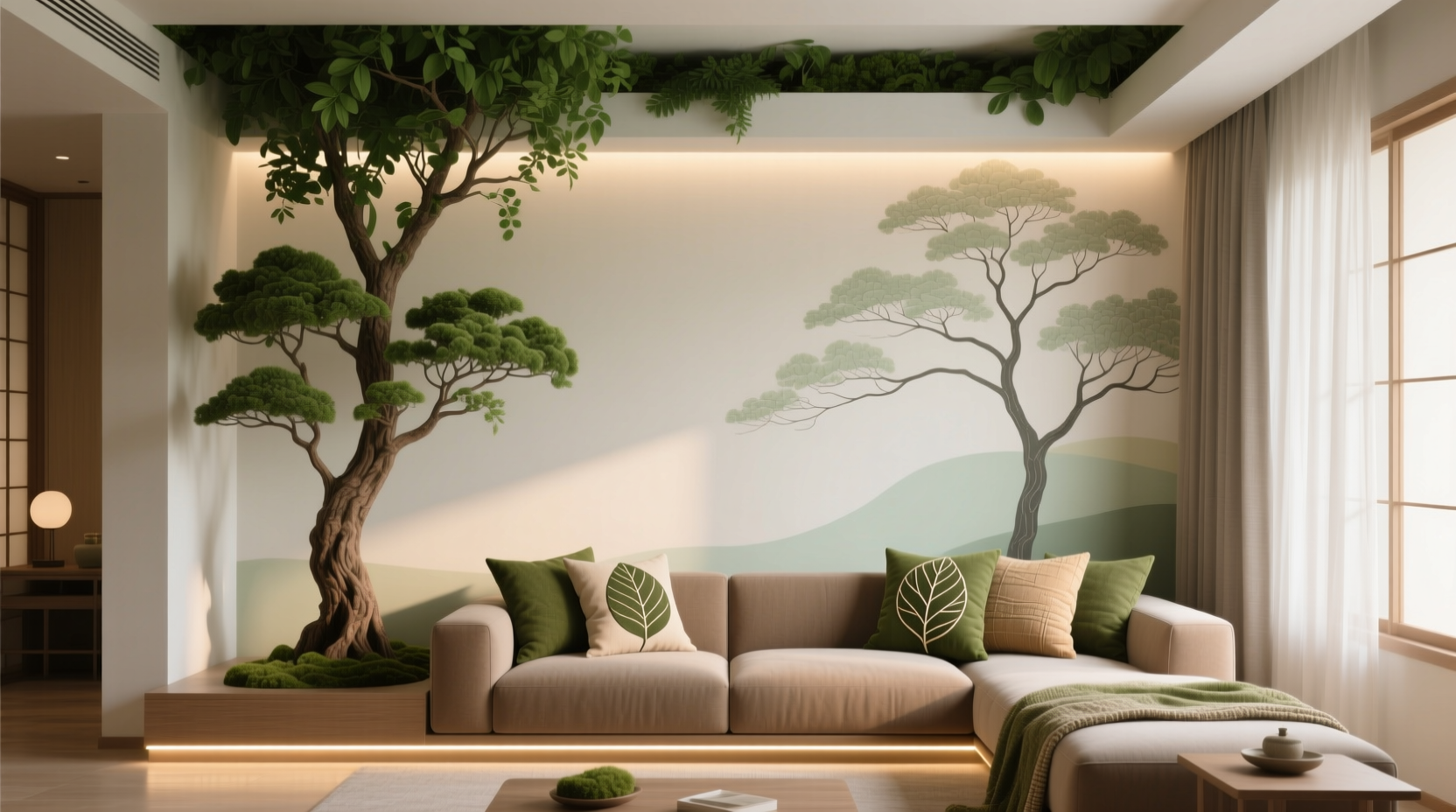
The foundation of any successful decor scheme is color. Tree and couch pillows offer an opportunity to either echo existing hues in your room or introduce new tones that shape the mood. Begin by identifying the dominant colors in your space—your walls, rug, curtains, and main furniture pieces. Then, determine whether you want your pillows to blend in or stand out.
For a cohesive look, choose pillows within the same color family as your primary furnishings. For instance, if your sofa is a soft sage green, consider pairing it with tree pillows in deeper forest tones or earthy browns. This creates depth without disrupting harmony. Alternatively, use contrasting shades for impact: a charcoal gray sectional can be enlivened with pine-tree pillows in crisp white or warm terracotta.
Seasonal shifts also influence color choices. In autumn, opt for burnt orange, mustard yellow, and deep burgundy tree designs. Winter calls for cool whites, icy blues, or evergreen patterns with snow-dusted branches. Spring welcomes soft pastels and leafy greens, while summer leans into bright botanical prints. By aligning your pillow palette with the time of year, you maintain freshness without overhauling your entire decor.
Matching Patterns and Textures for Visual Balance
One of the most common mistakes in pillow styling is clashing textures or competing patterns. A tree-themed pillow, especially one with intricate bark detailing or sprawling branches, can dominate if not balanced properly. The goal is variety with restraint.
Start with a base of solid-colored couch pillows in fabrics like linen, cotton, or velvet. These provide neutral grounding. Then, introduce patterned tree pillows in moderation—one or two per seating area is usually sufficient. Ensure the scale of the tree motif matches the size of the furniture. Large-scale tree prints suit sectionals or oversized sofas; smaller spruce or birch illustrations work better on loveseats or accent chairs.
Texture plays an equally important role. Pair a nubby wool tree pillow with a smooth leather couch for contrast. Or combine a quilted cotton tree design with a plush faux-fur cushion to enhance tactile appeal. Avoid using too many textured pieces at once—this can make the space feel chaotic rather than curated.
“Pillows are the jewelry of a room. Like a necklace or bracelet, they should complement the outfit, not overwhelm it.” — Lena Pruitt, Interior Stylist & Author of *Textural Living*
Step-by-Step Guide to Arranging Tree and Couch Pillows
Arrangement is where theory meets practice. Even the most thoughtfully chosen pillows can fall flat if poorly placed. Follow this five-step process to achieve a polished, inviting layout.
- Assess your seating configuration. Count how many seats need accessorizing. A three-seater sofa typically supports three to four pillows; a corner sectional may require five to six.
- Lay out your base cushions. Place solid or subtly textured couch pillows first. Position them evenly across the back or stack them slightly offset for a relaxed look.
- Introduce tree-themed pillows. Place them toward the center or ends, depending on focal points. If you have a fireplace or artwork above the sofa, center a bold tree pillow there to draw the eye.
- Vary orientation and size. Mix square and lumbar pillows. Turn one pillow diagonally for dynamic energy. A long tree-print lumbar pillow behind the back adds cohesion and tells a story of nature flowing across the piece.
- Step back and evaluate. View the arrangement from across the room. Does it feel balanced? Are colors repeating in a pleasing rhythm? Adjust until symmetry and flow feel natural.
Do’s and Don’ts: Table of Best Practices
| Do | Don’t |
|---|---|
| Do coordinate tree pillow colors with at least one other element in the room (e.g., rug, throw blanket). | Don’t use more than two heavily patterned tree pillows on one piece of furniture. |
| Do rotate pillows seasonally to keep the space feeling fresh. | Don’t place all pillows flush against the back—some should lean forward for dimension. |
| Do mix natural materials (cotton, wool) with synthetic blends for durability and cost balance. | Don’t ignore care instructions—tree prints may fade if washed incorrectly. |
| Do use invisible zippers or envelope closures for a clean look. | Don’t overcrowd small furniture—limit to one or two pillows on a single armchair. |
Real Example: Transforming a Neutral Living Room
Sarah, a homeowner in Portland, Oregon, had a beige fabric sectional and light oak floors. While functional, her living room felt flat and impersonal. She wanted to embrace her love of Pacific Northwest forests without turning the space into a cabin-themed cliché.
She began by selecting a pair of olive-green linen couch pillows to serve as her base. Then, she introduced two tree-themed pillows: one with a minimalist silhouette of Douglas firs in charcoal gray, and another featuring a watercolor-style mountain forest in muted blues and greens. To add texture, she included a cream-colored cable-knit pillow.
She arranged them in a staggered trio on each end of the sofa—solid green, then tree print, then knit—angled slightly inward. A matching forest-themed throw blanket was casually draped over one arm. The result was subtle yet evocative: a nod to nature without overwhelming the senses. Guests consistently commented on the “calm, grounded” atmosphere of the room.
Sarah rotates her tree pillows twice a year—swapping in snowy evergreens for winter and blooming dogwood designs for spring. Her system keeps the room feeling alive and responsive to the seasons.
Checklist: Building Your Matching Scheme
- ☐ Identify your room’s dominant color and style (modern, rustic, bohemian, etc.)
- ☐ Choose 1–2 tree-themed pillows that complement, not clash with, existing decor
- ☐ Select 2–3 coordinating couch pillows in solid or tonal textures
- ☐ Confirm fabric durability, especially if pets or children are present
- ☐ Plan arrangement: decide on number, placement, and layering order
- ☐ Incorporate seasonal rotation schedule (e.g., store off-season pillows in breathable bags)
- ☐ Add supporting elements—like a nature-inspired rug or framed forest art—to reinforce the theme
Frequently Asked Questions
Can I mix different types of tree motifs on the same sofa?
Yes, but with caution. Mixing pine trees and palm trees on the same couch can confuse the design narrative. Stick to a consistent biome—temperate forest, desert landscape, or Scandinavian woodland. If combining, ensure color harmony and stylistic similarity (e.g., both illustrations are line drawings or both are photographic prints).
How do I clean tree-print pillows without fading the design?
Always check the care label. Most printed pillows should be spot-cleaned with a mild detergent and damp cloth. For machine-washable ones, turn them inside out, use cold water, and air dry. Avoid direct sunlight when drying, as UV rays accelerate fading, especially in dark ink-based tree imagery.
Are tree pillows appropriate for formal living rooms?
They can be, depending on execution. Opt for refined tree motifs—such as a single elegant birch in black-and-white silk embroidery—rather than cartoonish or overly rustic prints. Pair with tailored furniture and minimal lines to maintain sophistication.
Conclusion: Design with Intention, Live with Joy
Creating a matching living room scheme with tree and couch pillows isn’t about rigid rules—it’s about storytelling through design. Each pillow contributes to a narrative of comfort, connection to nature, and personal expression. When thoughtfully combined, these small elements transform a generic seating area into a space that feels lived-in, intentional, and alive.
Start with what you love. If you’re drawn to the quiet strength of redwoods or the delicate beauty of cherry blossoms, let that guide your choices. Build outward with color, texture, and balance. And remember, great design evolves—rotate, refine, and refresh as your tastes and seasons change.




 浙公网安备
33010002000092号
浙公网安备
33010002000092号 浙B2-20120091-4
Comments
No comments yet. Why don't you start the discussion?