
In an age of digital noise and fleeting interactions, the need for genuine human connection has never been greater. A meaningful community isn’t built on numbers or viral moments—it’s cultivated through shared values, consistent engagement, and intentional design. Whether you're launching a neighborhood group, a professional network, or an online forum, the principles of building deep, lasting bonds remain the same. The goal isn’t just to gather people but to foster belonging, mutual support, and collective growth.
Define Purpose with Clarity
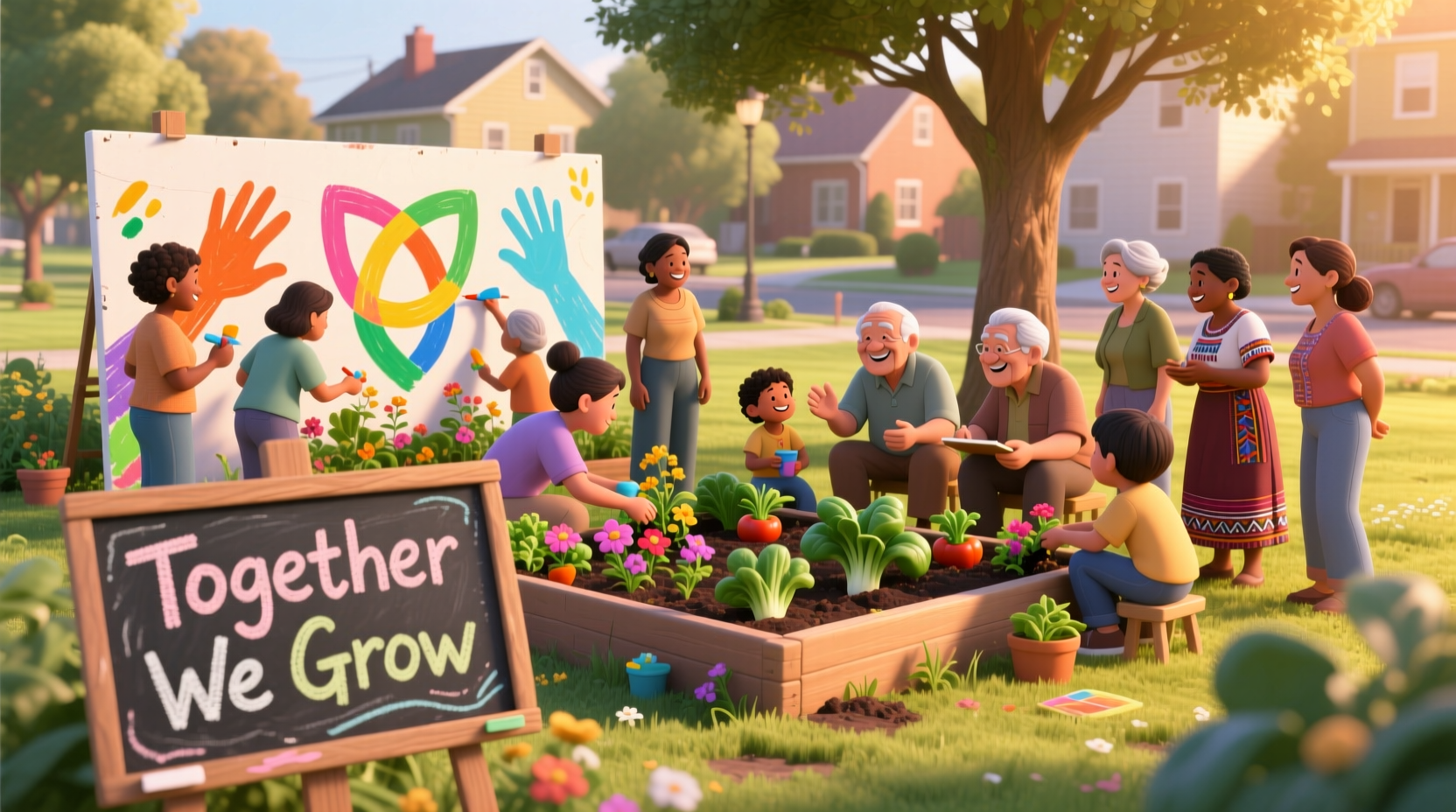
Every thriving community begins with a clear purpose. Without one, members drift without direction, and engagement fades. Ask: Why does this community exist? What problem are we solving? Who benefits from being part of it?
A well-articulated purpose acts as a compass. It guides decisions about content, tone, membership, and activities. For example, a community for new parents focused on mental wellness will prioritize empathy and resource sharing over product promotions. A tech startup network might center on collaboration and skill exchange rather than competition.
Cultivate Inclusion Through Intentional Design
Inclusion isn’t passive—it must be designed into every aspect of the community. From the first welcome message to event planning, consider who might feel excluded and how to remove those barriers.
Start with language. Use accessible, jargon-free communication. Offer multiple ways to participate—written posts, voice notes, live discussions—so people with different preferences or abilities can engage. Rotate meeting times to accommodate various time zones if your community spans regions.
Also, establish inclusive norms early. Co-create guidelines with founding members so they reflect diverse perspectives. Make it clear that respect, active listening, and openness to feedback are non-negotiable.
“Belonging doesn’t happen because people show up. It happens when they feel seen, heard, and valued.” — Dr. Lena Torres, Social Psychologist and Community Researcher
Build Trust Through Consistent Engagement
Trust is the foundation of any meaningful relationship—and communities are no different. It grows slowly, through repeated positive interactions and reliability.
Host regular touchpoints: weekly check-ins, monthly virtual coffees, or quarterly in-person meetups. These don’t need to be large events; consistency matters more than scale. A simple “Good morning” thread where members share their mood each day can deepen familiarity over time.
Encourage vulnerability by modeling it. When leaders or moderators share personal challenges—work stress, parenting doubts, creative blocks—it gives others permission to do the same. But balance is key: oversharing too soon can feel performative, while never sharing creates distance.
Step-by-Step Guide to Building Trust Over Time
- Week 1–2: Launch with a warm welcome sequence and invite members to introduce themselves using open-ended prompts (e.g., “What brings you here?”).
- Week 3–4: Facilitate small group conversations (3–4 people) to reduce intimidation and encourage deeper dialogue.
- Month 2: Host a themed discussion or story circle (e.g., “A time I felt supported” or “My biggest learning this year”).
- Month 3: Invite members to co-host or lead a session, transferring ownership and deepening investment.
- Ongoing: Recognize contributions publicly and privately—acknowledgment builds emotional safety.
Create Value That Lasts Beyond the Platform
A community shouldn’t exist solely to consume content. Its real value emerges when members support one another outside scheduled events. This requires designing opportunities for peer-to-peer exchange.
Set up mentorship pairings, skill-sharing boards, or collaborative projects. For instance, a writers’ group could organize a monthly critique swap. A sustainability collective might launch a local clean-up initiative led by rotating volunteers.
The goal is to shift from “What can I get?” to “What can I give?” This mindset transformation turns passive members into active contributors.
| Engagement Type | Purpose | Example |
|---|---|---|
| Open Forum Discussions | Encourage broad participation | “Share a win from this week” |
| Small Group Circles | Foster deeper connection | Monthly storytelling sessions with 5 people |
| Peer Support Channels | Enable direct help | Dedicated space for job search advice |
| Collaborative Projects | Build shared ownership | Community zine, podcast, or fundraiser |
Measure What Matters: Beyond Vanity Metrics
It’s easy to celebrate growing member counts or post frequency. But true success lies in qualitative indicators: Are people forming friendships? Do newcomers feel welcomed? Are members applying what they learn?
Track meaningful signals like:
- Percentage of members who comment or reply (not just lurk)
- Number of private messages or external meetups initiated
- Feedback indicating emotional safety (“I finally felt comfortable sharing…”)
- Retention rate after 3 and 6 months
Mini Case Study: The Resilience Circle
In 2021, Maya Chen started a small online group for women in mid-career transitions. Initially, it was a Facebook group with 30 members sharing job leads. Engagement was low, and turnover high.
Maya shifted focus. She hosted a live call asking: “What do you wish you had when you felt stuck?” Responses revealed a need for emotional support, not just resources. She redesigned the community around three pillars: reflection, reciprocity, and resilience.
She introduced biweekly guided journaling prompts, paired members for accountability partnerships, and created a “Support Tree” where members could request specific help (e.g., resume review, confidence boost). Within six months, 78% of members reported feeling less isolated, and 12 formed long-term mastermind groups. The community now sustains itself with volunteer facilitators and continues growing at a steady pace.
Common Pitfalls and How to Avoid Them
Even well-intentioned communities falter when leadership becomes overwhelmed or engagement turns transactional. Watch for these red flags:
- Over-reliance on the founder: If only one person initiates conversations, burnout is inevitable. Distribute leadership early.
- Lack of boundaries: Without moderation, negativity or off-topic spam can erode trust. Appoint trusted members as stewards.
- Growth at all costs: Rapid expansion often dilutes culture. Prioritize depth over size.
“The most powerful communities aren’t the loudest—they’re the ones where silence feels safe, not awkward.” — Jamil Rivera, Founder of GatherWell Collective
FAQ
How do I keep members engaged long-term?
Sustain engagement by evolving with your community. Introduce new themes every quarter, spotlight member stories, and invite feedback regularly. People stay when they see their input shaping the group’s direction.
What if conflict arises between members?
Conflict is natural. Address it early with clear mediation protocols. Encourage direct, respectful dialogue and offer private facilitation if needed. View conflict as a sign of investment, not failure.
Can a small community still be meaningful?
Absolutely. Some of the most impactful communities have fewer than 50 active members. Depth of connection matters far more than scale. Focus on quality interactions, not headcount.
Conclusion
Creating a meaningful community isn’t about perfection—it’s about presence. It’s showing up consistently, listening deeply, and designing spaces where people can show up as themselves. Lasting connection doesn’t emerge from algorithms or flashy features; it grows from intention, empathy, and shared purpose.




 浙公网安备
33010002000092号
浙公网安备
33010002000092号 浙B2-20120091-4
Comments
No comments yet. Why don't you start the discussion?