
In the midst of modern life’s relentless pace, carving out a space dedicated to stillness can be transformative. A meditation corner isn’t just a physical spot—it’s an invitation to return to yourself. When thoughtfully designed with soft Christmas lights and a palette of calming colors, this sanctuary becomes more than functional; it becomes emotionally resonant. The gentle glow of warm-toned lights mimics candlelight or sunset, signaling the nervous system to relax. Paired with soothing hues like sage green, dusty blue, or warm gray, the environment supports mental clarity and emotional balance. This guide walks you through creating a personal retreat that nurtures mindfulness every day—not just during the holidays.
Why Light and Color Matter in Meditation Spaces
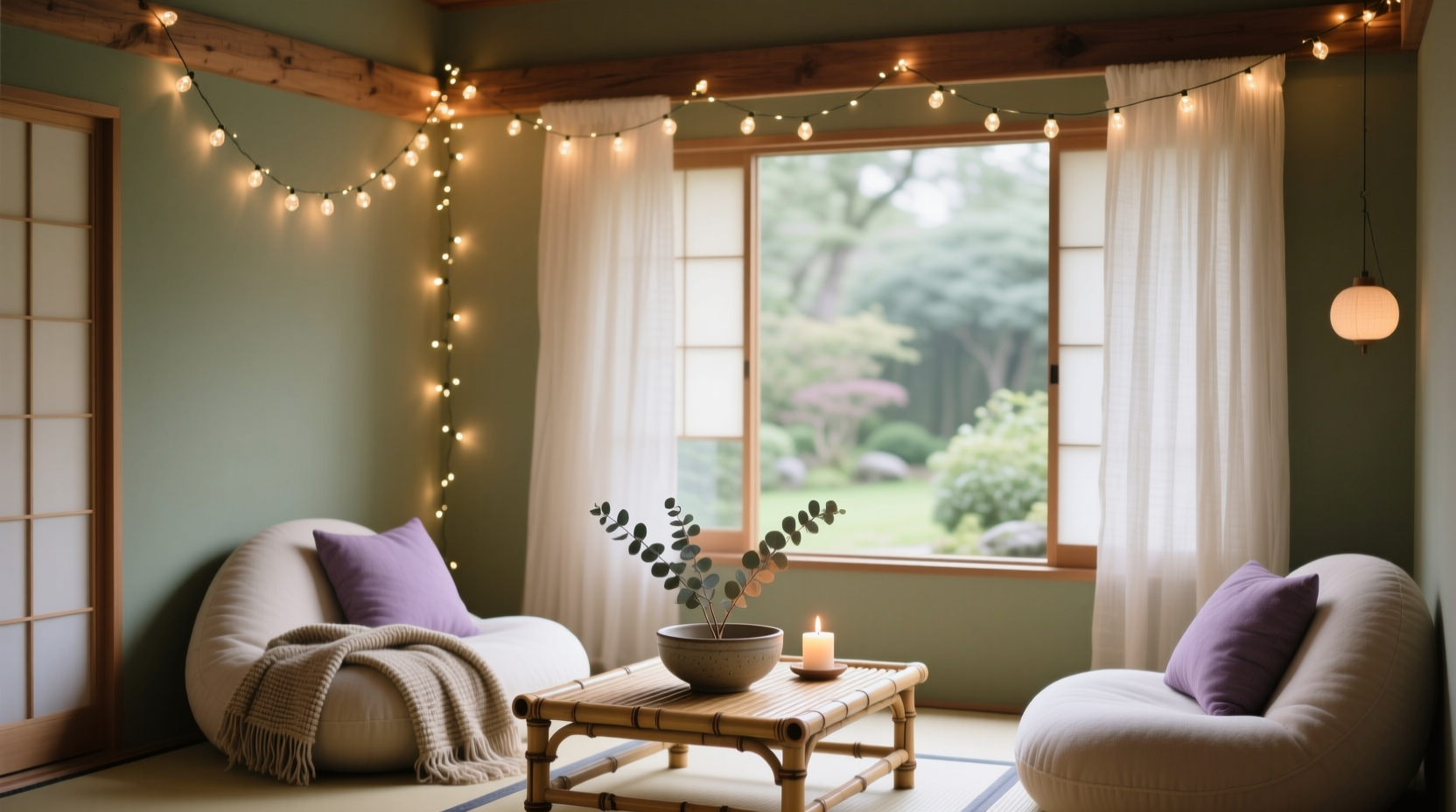
Lighting and color are not merely decorative choices—they influence brain chemistry and emotional states. Harsh overhead lighting activates alertness, which is counterproductive when seeking inner quiet. In contrast, low, diffused lighting encourages the production of melatonin, the hormone associated with relaxation and sleep readiness. Soft white or warm yellow Christmas lights emit a luminance similar to twilight, helping transition the mind from active thinking to receptive awareness.
Color psychology further enhances this effect. Calm colors—those on the cooler end of the spectrum or with low saturation—have been shown to reduce heart rate and lower blood pressure. According to research published in the *Journal of Environmental Psychology*, environments dominated by blues and greens promote feelings of safety and tranquility, making them ideal for contemplative practices.
“Your surroundings shape your state. A well-designed meditation space doesn’t just support practice—it invites it.” — Dr. Lena Torres, Environmental Psychologist and Mindfulness Researcher
The combination of soft illumination and restful tones creates what neuroscientists call a “low arousal environment,” essential for deepening meditation, breathwork, or journaling. Unlike seasonal decor that comes down after December, integrating these elements into a permanent nook ensures year-round access to peace.
Step-by-Step: Building Your Meditation Corner
Creating a meditation corner doesn’t require a spare room or major renovation. Even a quiet corner of a bedroom or living area can be transformed with intention and attention to detail. Follow this sequence to build a space that feels both intentional and inviting.
- Choose the Location: Select a spot with minimal foot traffic, away from screens and high-energy areas. Natural light during the day is beneficial, but avoid direct sunlight at peak hours, which can overstimulate.
- Define the Boundary: Use a small rug, floor cushion, or folding screen to visually separate the area. This signals the brain that this zone is distinct from everyday activity.
- Install Soft Lighting: String LED Christmas lights along the wall, around a mirror frame, or draped over a shelf. Opt for warm white (2700K–3000K) rather than cool white or multicolor modes. Battery-operated options offer flexibility if outlets are scarce.
- Select Calming Colors: Paint the adjacent wall in a muted tone or use textiles—pillows, throws, curtains—in earthy or pastel shades. Avoid bright reds, oranges, or stark whites, which can be visually jarring.
- Add Functional Elements: Include a cushion or small bench for sitting, a tray for tea or journals, and perhaps a plant for natural grounding.
- Personalize Thoughtfully: Incorporate one meaningful object—a stone, statue, or framed quote—but keep clutter to a minimum. The space should feel open, not crowded.
Choosing the Right Lights and Colors: A Practical Guide
Not all string lights are created equal. For a meditation space, prioritize warmth, consistency, and safety. Here’s how to choose wisely.
Types of Christmas Lights for Serenity
- Warm White LEDs: Energy-efficient and long-lasting, they provide a consistent glow without flickering. Look for models labeled “twinkle-free” if subtle pulses disturb your focus.
- Battery-Powered Fairy Lights: Ideal for renters or spaces without nearby outlets. Choose ones with timer functions to automate shut-off.
- Copper Wire Lights: Flexible and delicate, these can be shaped around mirrors or shelves for a custom look. They remain cool to the touch, reducing fire risk.
Recommended Calming Color Palette
Stick to colors with low chroma (saturation) and moderate value (brightness). These are easier on the eyes and support sustained attention.
| Color | Psychological Effect | Best Used For |
|---|---|---|
| Sage Green | Promotes balance and renewal | Walls, cushions, plants |
| Dusty Blue | Encourages calm and introspection | Textiles, artwork |
| Warm Gray | Neutral yet cozy; reduces visual noise | Backgrounds, furniture |
| Soft Lavender | Enhances relaxation and creativity | Accent pillows, candles |
| Beige/Cream | Creates warmth without stimulation | Rugs, throws |
Real-Life Example: Sarah’s Bedroom Nook Transformation
Sarah, a graphic designer in Portland, struggled with insomnia and mental fatigue after work. Her apartment was small, but she repurposed a closet nook behind her bed into a daily meditation zone. She painted the back wall in Sherwin-Williams “Rainwashed” (a soft blue-green), added a round jute rug, and mounted a floating shelf with a ceramic Buddha and a small succulent.
She strung copper wire fairy lights in a semi-circle above the shelf, plugging them into a smart outlet set to turn on at 7 PM and off at 10 PM. Within two weeks, she reported falling asleep faster and feeling more grounded in the mornings. “It’s not just about meditating,” she said. “It’s that walking past that corner reminds me I have a place to pause.”
Her design succeeded because it balanced aesthetics with routine. The automatic lighting removed decision fatigue, and the color scheme provided continuity between her workspace and rest space.
Essential Checklist for Your Meditation Corner
Before finalizing your space, run through this checklist to ensure functionality and comfort.
- ✅ Chosen a quiet, low-traffic location
- ✅ Measured area to fit seating comfortably
- ✅ Selected warm white or soft yellow string lights
- ✅ Confirmed safe installation method (no nails in rental walls)
- ✅ Picked a maximum of three calming base colors
- ✅ Added a comfortable seat (cushion, bench, or chair)
- ✅ Included a surface for water, journal, or incense
- ✅ Minimized clutter—only essential or meaningful items present
- ✅ Tested lighting at night for optimal ambiance
- ✅ Set a daily reminder to use the space (even for 5 minutes)
Avoiding Common Design Mistakes
Even well-intentioned setups can undermine their purpose if common pitfalls aren’t addressed. Awareness prevents frustration later.
Do’s and Don’ts of Meditation Space Design
| Do | Don’t |
|---|---|
| Use dimmable or timer-equipped lights | Leave lights on all night unattended |
| Anchor the space with a rug or mat | Place it in a high-traffic walkway |
| Choose hypoallergenic fabrics if sensitive | Overcrowd with too many objects |
| Include a small plant for air quality and grounding | Use scented candles if prone to headaches |
| Face your seat toward a blank wall or window view | Position it facing a messy shelf or doorway |
One frequent error is treating the space as purely decorative. A beautiful corner that’s never used loses its value. Integrate it into your routine—sit there each morning with tea, do a breathing exercise before bed, or journal after a stressful call. Habit formation turns design into practice.
Frequently Asked Questions
Can I use colored Christmas lights instead of white?
While multicolor lights may feel festive, they introduce visual stimulation that can distract during meditation. If you prefer color, consider using a single hue—like soft blue or lavender—and ensure it’s low-intensity. Monochromatic warm tones are generally safer for sustained focus.
How do I keep the space peaceful if I live with others?
Communication is key. Let household members know the area is for quiet time. Use subtle cues like closing a folding screen or placing a “Do Not Disturb” sign during use. If space is shared, schedule usage times or rotate zones weekly.
Are real candles better than lights?
Candles offer symbolic warmth and tradition, but they pose safety risks and may trigger allergies. Flameless LED candles with flicker effects provide a similar ambiance without smoke or fire hazard. For many, especially in small or carpeted rooms, electric lighting is the wiser choice.
Final Thoughts: Make Stillness Accessible
A meditation corner with soft Christmas lights and calm colors is more than interior design—it’s an act of self-care. In a world that glorifies busyness, choosing to create space for silence is radical. The warm glow of lights isn’t just aesthetic; it’s neurological support. The soft colors aren’t merely trendy; they’re tools for emotional regulation.
This kind of environment doesn’t need to wait for the perfect moment or a full redesign. Start small: drape a string of lights over a bookshelf, add a cushion in a quiet corner, and sit there for five mindful breaths today. Consistency matters more than scale. Over time, this corner will become a reflexive destination—a place your body remembers for release.




 浙公网安备
33010002000092号
浙公网安备
33010002000092号 浙B2-20120091-4
Comments
No comments yet. Why don't you start the discussion?