
In the midst of holiday chaos—shopping lists, family gatherings, and year-end deadlines—finding moments of stillness becomes essential. A dedicated mindfulness corner can serve as a sanctuary for reflection, breath, and presence. When enhanced with soft Christmas lighting and soothing seasonal scents, this space transforms into a sensory haven that nurtures calm during one of the most emotionally charged times of the year. More than just a decorative nook, a well-designed mindfulness corner supports mental clarity, emotional balance, and intentional living.
This guide walks you through designing a functional, serene retreat using ambient light and aroma therapy—elements proven to influence mood and cognitive state. Whether your home is spacious or compact, you can carve out a meaningful zone that invites pause, gratitude, and inner warmth.
Why Combine Mindfulness with Holiday Lighting and Scent?
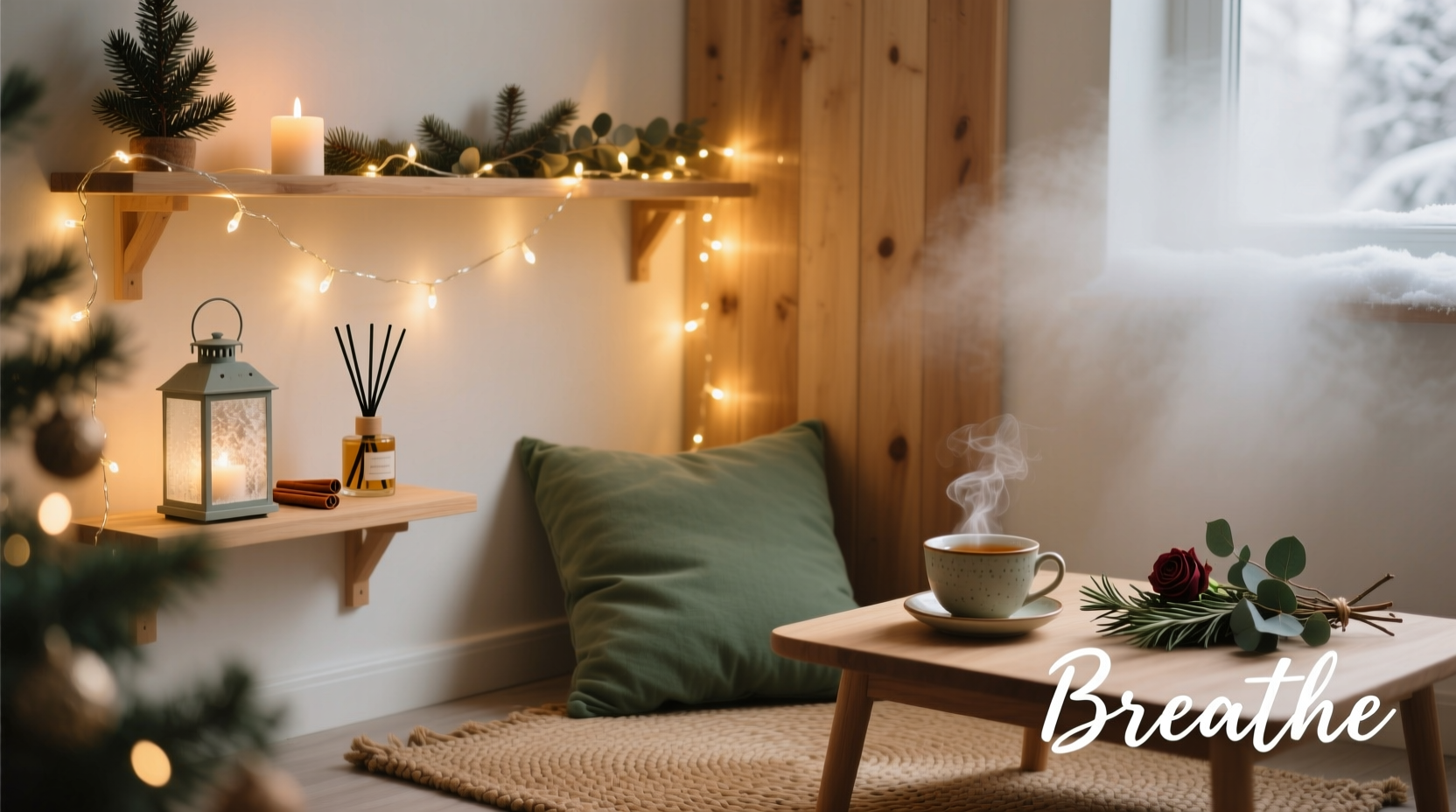
Mindfulness is the practice of being fully present in the moment, without judgment. It’s been shown to reduce stress, improve sleep, and enhance emotional regulation. But maintaining a consistent mindfulness habit often requires environmental support—a cue that signals the mind to shift gears from doing to being.
Holiday lighting, particularly warm-toned string lights or fairy lights, emits a gentle glow that mimics candlelight or firelight—frequencies historically associated with safety, rest, and gathering. Unlike harsh overhead lighting, these low-lumen sources activate the parasympathetic nervous system, which governs relaxation.
Simultaneously, scent plays a powerful role in memory and emotion. The olfactory bulb has direct neural pathways to the amygdala and hippocampus—brain regions tied to emotion and memory. During the holidays, familiar scents like pine, cinnamon, or vanilla can evoke feelings of comfort and nostalgia, making them ideal companions for reflective practices.
“Sensory cues are among the most effective tools for anchoring mindfulness. Light and scent together create a ritualistic entry point into presence.” — Dr. Lena Torres, Clinical Psychologist & Mindfulness Researcher
Step-by-Step Guide to Building Your Mindfulness Corner
Creating an effective mindfulness space doesn’t require expensive decor or major renovations. With intentionality and a few key elements, you can transform any quiet corner into a retreat. Follow this sequence to build a space that supports both seasonal joy and year-round serenity.
- Choose the Location: Identify a quiet, low-traffic area—near a window, beside a bookshelf, or even a section of your bedroom. Ideally, it should be easily accessible but visually separated from activity zones.
- Define the Space: Use a small rug, floor cushion, or folding screen to mark boundaries. Physical demarcation helps train the brain to associate the area with stillness.
- Install Soft Christmas Lighting: Drape warm-white fairy lights along a wall, around a mirror, or across a shelf. Consider battery-operated options for flexibility. Avoid blinking or multicolored sets—they can overstimulate rather than soothe.
- Add Calming Scents: Incorporate natural fragrance via essential oil diffusers, beeswax candles, or simmer pots. Choose blends like cedarwood + orange, lavender + vanilla, or frankincense + cinnamon.
- Include Mindful Objects: Place items that encourage presence—a journal, a singing bowl, a small plant, or a framed quote. These act as tactile anchors during meditation or breathing exercises.
- Minimize Clutter: Keep only what serves the purpose of peace. Remove electronics, mail, or unrelated decor. A clean space supports a clear mind.
- Test the Atmosphere: Sit in the space at different times of day. Adjust lighting brightness or scent intensity based on how your body responds.
Choosing the Right Scents for Seasonal Mindfulness
The right aroma can deepen relaxation, elevate mood, and even support respiratory health during winter months. When selecting scents for your mindfulness corner, prioritize natural, non-toxic sources. Essential oils offer therapeutic benefits, while synthetic fragrances may trigger headaches or irritation.
| Scent | Benefits | Best Used For |
|---|---|---|
| Pine / Fir | Uplifting, improves focus, reduces mental fatigue | Morning meditation, breathwork |
| Lavender | Calms nervous system, promotes sleep | Evening reflection, stress relief |
| Cinnamon | Warming, enhances alertness, evokes nostalgia | Gratitude journaling, mindful pauses |
| Vanilla | Reduces anxiety, creates sense of safety | Emotional release, trauma-informed mindfulness |
| Frankincense | Deepens meditative states, supports spiritual connection | Longer sitting practices, prayer |
A simple DIY simmer pot can provide long-lasting, chemical-free fragrance. Combine water with orange slices, a cinnamon stick, cloves, and a sprig of rosemary. Simmer on low heat for 2–3 hours, adding water as needed. This method avoids plastic waste and artificial additives found in many commercial diffusers.
Real-Life Example: Sarah’s Bedroom Nook Transformation
Sarah, a 38-year-old project manager and mother of two, struggled with seasonal anxiety each December. Between work deadlines and family obligations, she felt constantly drained. After reading about sensory grounding techniques, she decided to convert a neglected corner of her bedroom into a mindfulness space.
She began by clearing out old boxes and laying down a neutral-toned floor mat. She added a floor pillow and draped warm-white fairy lights around a small floating shelf. On the shelf, she placed a mini diffuser, a gratitude journal, and a ceramic bowl holding smooth stones collected from past hikes.
Each evening before bed, Sarah spends 10 minutes in the corner practicing box breathing: inhale for four counts, hold for four, exhale for four, hold for four. She uses a fir and lavender essential oil blend during the week and switches to cinnamon-vanilla on weekends when hosting guests.
Within three weeks, she reported improved sleep quality and greater emotional resilience. “It’s not about adding another task,” she said. “It’s about giving myself permission to pause. The lights make it feel sacred, even if I’m only there for five minutes.”
Mindfulness Corner Checklist
Use this checklist to ensure your space is complete and functional:
- ✅ Quiet, defined location away from distractions
- ✅ Comfortable seating (cushion, chair, or mat)
- ✅ Warm, dimmable lighting (fairy lights, salt lamp, or candle)
- ✅ Natural scent source (diffuser, simmer pot, or beeswax candle)
- ✅ Mindful objects (journal, timer, crystals, or inspirational quotes)
- ✅ Minimal clutter and visual noise
- ✅ Access to blankets or shawls for physical comfort
- ✅ Optional: soft background sound (wind chimes, nature recordings)
Common Mistakes to Avoid
Even well-intentioned spaces can fall short if they’re not designed with mindfulness in mind. Watch out for these pitfalls:
- Over-lighting: Too many bright or blinking lights can stimulate rather than relax. Stick to one or two soft light sources.
- Scent Overload: Strong fragrances can cause headaches or nausea. Start with low concentrations and increase gradually.
- Placing Electronics Nearby: Phones, tablets, or TVs disrupt the psychological boundary between stimulation and stillness.
- Neglecting Comfort: If the seat is too hard or the floor is cold, you’ll resist using the space. Prioritize physical ease.
- Expecting Perfection: Don’t wait for the “ideal” setup. Begin with what you have—even a cushion and a single string of lights can be enough.
“The best mindfulness space is the one you actually use. Functionality trumps aesthetics every time.” — Marcus Reed, Mindfulness Coach & Author
FAQ
Can I use this space year-round, or is it only for the holidays?
Absolutely. While Christmas lighting adds seasonal charm, warm-toned fairy lights and natural scents are timeless. Simply rotate your aromatic blends—use citrus and mint in spring, sandalwood in summer—and update decor subtly to keep the space relevant all year.
Is it safe to leave fairy lights on overnight?
If using LED string lights labeled as cool-burning and certified by a recognized safety standard (like UL or CE), they can typically remain on for extended periods. However, for mindfulness practice, it’s best to limit usage to active sessions. Never leave unattended candles or diffusers running overnight.
What if I don’t have extra space in my home?
You don’t need square footage—just intention. Transform a closet interior, the space under a staircase, or even a bathtub nook. Use foldable cushions and removable adhesive hooks for temporary setups. Even a designated chair with a scarf and a portable diffuser can become your micro-corner.
Conclusion: Make Stillness Accessible
A mindfulness corner with soft Christmas lighting and calming scents isn’t a luxury—it’s an act of self-preservation during a demanding season. By integrating gentle light and intentional aroma, you create more than a pretty corner; you design a daily invitation to return to yourself.
This holiday season, give yourself the gift of presence. Start small: drape a string of lights, light a cedar-scented candle, sit quietly for two minutes. Let the glow remind you that peace isn’t something to achieve—it’s something to inhabit, one breath at a time.




 浙公网安备
33010002000092号
浙公网安备
33010002000092号 浙B2-20120091-4
Comments
No comments yet. Why don't you start the discussion?