
In an era where clutter often defines holiday decor, stepping back to embrace simplicity can be a powerful statement. A minimalist Christmas tree isn’t about absence—it’s about intention. It’s choosing quality over quantity, meaning over mass, and warmth over extravagance. When done well, a pared-down tree radiates elegance, calm, and quiet joy. The goal isn’t to strip the season of its magic but to refine it, focusing on what truly brings comfort and celebration into your home.
Creating a minimalist tree doesn’t mean sacrificing festivity. On the contrary, restraint can amplify the emotional impact of each ornament, light, and texture. By removing visual noise, you allow space for reflection, memory, and presence. Whether you live in a small apartment, value sustainable choices, or simply crave a more serene holiday atmosphere, a minimalist approach offers both aesthetic and emotional rewards.
Choose the Right Tree: Size, Shape, and Type
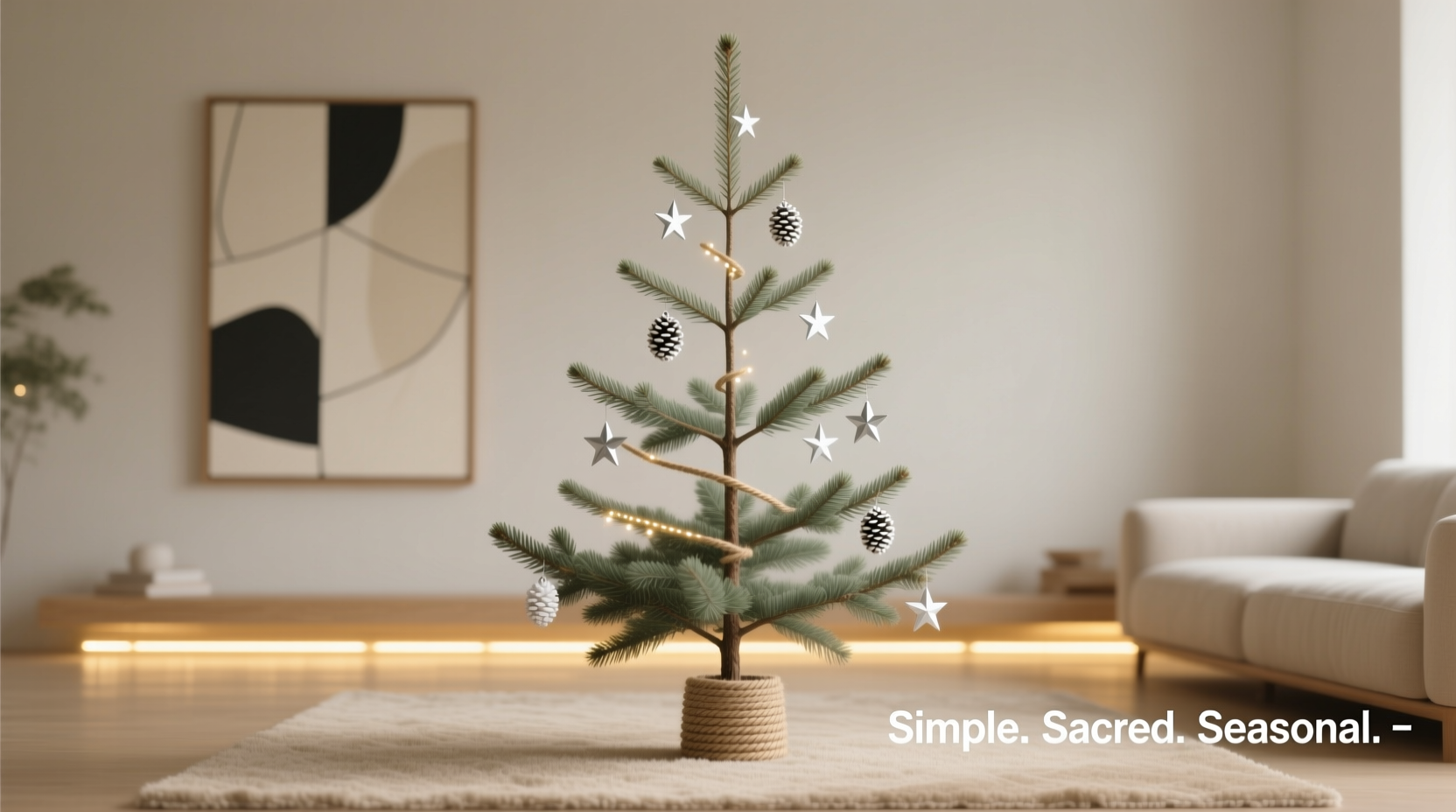
The foundation of any Christmas tree—minimalist or not—is the tree itself. But in a minimalist context, selection becomes even more deliberate. You’re not just picking a tree; you’re selecting a centerpiece that will carry symbolic weight with fewer supporting elements.
Opt for a tree with strong natural form. A narrow, pencil-style fir or spruce works beautifully in tight spaces and emphasizes verticality, drawing the eye upward like a modern sculpture. If space allows, a full but evenly shaped tree provides symmetry—a key element in minimalist design. Avoid trees with gaps or irregular branches unless those imperfections contribute to a curated, organic look you intend to highlight.
Natural trees offer authenticity and scent, but if sustainability is a priority, consider a high-quality artificial tree in a neutral tone—such as frosted white, soft gray, or even black. These unconventional colors serve as bold backdrops for limited decor and instantly elevate the design narrative. Alternatively, some homeowners choose no traditional tree at all, opting instead for a single potted evergreen, a wall-mounted silhouette, or a cluster of small firs in matching planters.
Curate a Limited Color Palette
Color is one of the most powerful tools in minimalist design. Limiting your palette creates cohesion, reduces visual chaos, and enhances perceived spaciousness. For a minimalist Christmas tree, select two or three complementary tones and stick to them rigorously.
Popular combinations include:
- White, cream, and soft gold (elegant and timeless)
- Forest green, charcoal, and copper (earthy and modern)
- Silver, black, and clear crystal (dramatic and contemporary)
- All-white with warm white lights (serene and wintry)
Avoid multicolored lights or mismatched ornaments. Instead, use variations in texture—matte, glossy, metallic, woven—to add depth within a unified scheme. For example, matte ceramic balls paired with satin-finish glass orbs in the same hue create subtle contrast without breaking harmony.
“Minimalism isn’t emptiness. It’s the careful placement of meaningful things.” — Sarah Linwood, Interior Designer and Author of *Calm Spaces*
Ornamentation with Purpose
This is where many people hesitate: “If I only hang five ornaments, will it feel bare?” The answer lies in curation. Each decoration should either hold personal significance, contribute to texture, or enhance the overall mood.
Start by selecting a few handmade or heirloom pieces—a child’s first ornament, a vintage star from a grandparent, a hand-painted bulb from a favorite trip. These items tell stories, and in a minimalist setting, their narratives become louder because they aren’t competing for attention.
Next, consider rhythm and spacing. Hang ornaments sparingly, allowing branches to show through. Use the “rule of threes” for visual balance: group similar items in odd numbers, or space identical decorations at regular intervals. For example, place three large matte-white spheres at different heights on opposing sides of the tree to create symmetry without rigidity.
Non-traditional ornaments also shine in minimalist settings. Try:
- Dried citrus slices strung with twine
- Mini pinecones dipped lightly in gold leaf
- Felted wool shapes in geometric designs
- Handwritten tags with family members’ names or wishes
Lighting as Atmosphere, Not Decoration
In minimalist design, lighting does the emotional heavy lifting. Without dozens of glittering baubles, the glow of well-placed lights sets the tone. Choose warm white LEDs—they mimic candlelight and feel cozier than cool or multicolored options.
Use fewer lights, but position them thoughtfully. Wrap strands vertically along major branches rather than spiraling densely around the entire tree. This technique highlights structure and casts gentle shadows, adding dimension without brightness overload. For an ultra-minimal effect, string a single strand from top to bottom, letting it cascade like a glowing vine.
Alternatively, place battery-powered fairy lights inside transparent ornaments or nestle small LED tea lights in the lower branches. These subtle touches create intimacy, especially when viewed at night. The goal is not illumination, but ambiance—soft pools of light that invite stillness.
| Lighting Style | Best For | Effect |
|---|---|---|
| Warm white, sparse wrap | Modern, Scandinavian | Clean, elegant, understated |
| Vintage Edison bulbs | Rustic minimalism | Warm, nostalgic, textured |
| Fairy lights in clusters | Bohemian minimal | Whimsical, intimate, dreamy |
| No lights (candlelit) | Luxury rustic | Dramatic, ceremonial, rare |
Step-by-Step Guide to Building Your Minimalist Tree
Follow this timeline to assemble a cohesive, intentional tree over the course of a weekend. Rushing undermines minimalism—this process should feel meditative, not frantic.
- Day 1: Prepare and Position
Select your tree location and ensure clearance from traffic paths. Set up the stand, water the tree (if real), and let it settle overnight. Gather all decor, lights, and tools in one place. - Day 2 Morning: Apply Lights
Begin at the base of the plug and work upward. Tuck wires gently into branches. Use clips, not ties, to avoid damaging boughs. Test lights before continuing. - Day 2 Afternoon: Add Ornaments
Hang your largest or most significant pieces first. Then fill in with smaller accents, maintaining even distribution. Rotate the tree frequently to check visibility from all angles. - Day 3: Final Touches
Add the tree topper—a simple star, bow, or even a dried wreath. Place a neutral tree skirt made of linen, wool, or faux fur. Consider a small diffuser nearby with pine or cinnamon essential oil to enhance sensory warmth.
Real Example: A Brooklyn Apartment Transformation
Maria, a graphic designer in Brooklyn, used to dread her annual Christmas setup. Her old tree overflowed with mismatched ornaments collected over decades—some broken, others sentimental, all crammed together. “It felt chaotic,” she said. “Like a decoration explosion.”
Last year, she committed to change. She started by sorting her ornaments into three piles: keep, donate, and repurpose. She kept only eight items: her wedding ornament, her daughter’s first Christmas ball, a hand-blown Czech glass star, and five others that sparked genuine emotion.
She bought a slim artificial tree in off-white and wrapped it with 50 warm white fairy lights, spaced vertically. She hung the eight ornaments at deliberate intervals, using fishing line to suspend some mid-branch for a floating effect. At the base, she placed a cream-colored wool skirt and a single wooden sled holding two wrapped gifts—one for her partner, one for her child.
The result? “People stop when they walk in,” Maria said. “They don’t say, ‘Where’s the rest of the decor?’ They say, ‘This feels so peaceful.’ That’s what I wanted—calm, not clutter.”
Common Mistakes to Avoid
Even with good intentions, it’s easy to misstep. Here are frequent pitfalls in minimalist tree styling:
- Overcompensating with texture: Using too many materials (burlap, metal, wood, glass) under the guise of “adding interest” defeats simplicity.
- Ignoring scale: One oversized ornament can dominate a small tree. Ensure proportions match your space.
- Forgetting the base: A beautiful tree on a stained stand or messy skirt ruins the effect. Keep the entire presentation clean.
- Skipping the edit: Hanging everything “just in case” leads back to clutter. Be ruthless in selection.
Checklist: Building Your Minimalist Christmas Tree
Use this checklist to stay focused and organized:
- ☐ Measure space and choose appropriately sized tree
- ☐ Select a 2–3 color palette and stick to it
- ☐ Gather only meaningful or texturally rich ornaments (5–15 max)
- ☐ Choose warm white or single-tone lighting
- ☐ Plan light placement—sparse and intentional
- ☐ Pick a simple, elegant topper
- ☐ Use a neutral, high-quality tree skirt
- ☐ Step back frequently during decorating to assess balance
- ☐ Remove at least one item after final review (edit generously)
Frequently Asked Questions
Can a minimalist tree still feel festive for kids?
Yes—festivity comes from experience, not ornament count. Involve children in making one special decoration, read stories by the tree, or play music together. These rituals build joy more than visual stimuli alone.
What if my family expects a “full” tree?
Explain your intention upfront. Say, “This year, I’m trying something calmer—fewer decorations, more meaning.” Offer a compromise: keep one branch for traditional ornaments or display older pieces elsewhere, like a memory shelf.
How do I make a minimalist tree pet-friendly?
Use unbreakable ornaments (felt, wood), secure lights out of reach, and avoid tinsel or toxic plants. Place the tree in a corner anchored to the wall. Consider a smaller tabletop version if pets are highly active.
Conclusion: Less Can Be More Meaningful
A minimalist Christmas tree isn’t a trend—it’s a mindset. It invites you to slow down, choose deliberately, and celebrate with presence rather than excess. In a season often defined by consumption, creating a simple, heartfelt tree becomes an act of resistance and renewal.
You don’t need hundreds of ornaments to honor tradition. You don’t need blinking lights to feel joy. Sometimes, a single glowing branch, a cherished keepsake, and the quiet hum of the holidays are enough. Start small. Edit fearlessly. Let space speak as loudly as decoration.




 浙公网安备
33010002000092号
浙公网安备
33010002000092号 浙B2-20120091-4
Comments
No comments yet. Why don't you start the discussion?