
In a season often defined by excess, the quiet elegance of a minimalist Christmas tree stands out. Rather than overwhelming branches with layers of tinsel and trinkets, minimalism embraces intentionality—choosing fewer decorations that carry more meaning, texture, and visual weight. This approach doesn’t diminish the festive spirit; it refines it. A thoughtfully curated tree can evoke warmth, sophistication, and calm during the busiest time of year. Whether you live in a small apartment, prefer modern aesthetics, or simply want a break from tradition, creating a minimalist tree is both achievable and deeply rewarding.
The Philosophy Behind Minimalist Holiday Decor
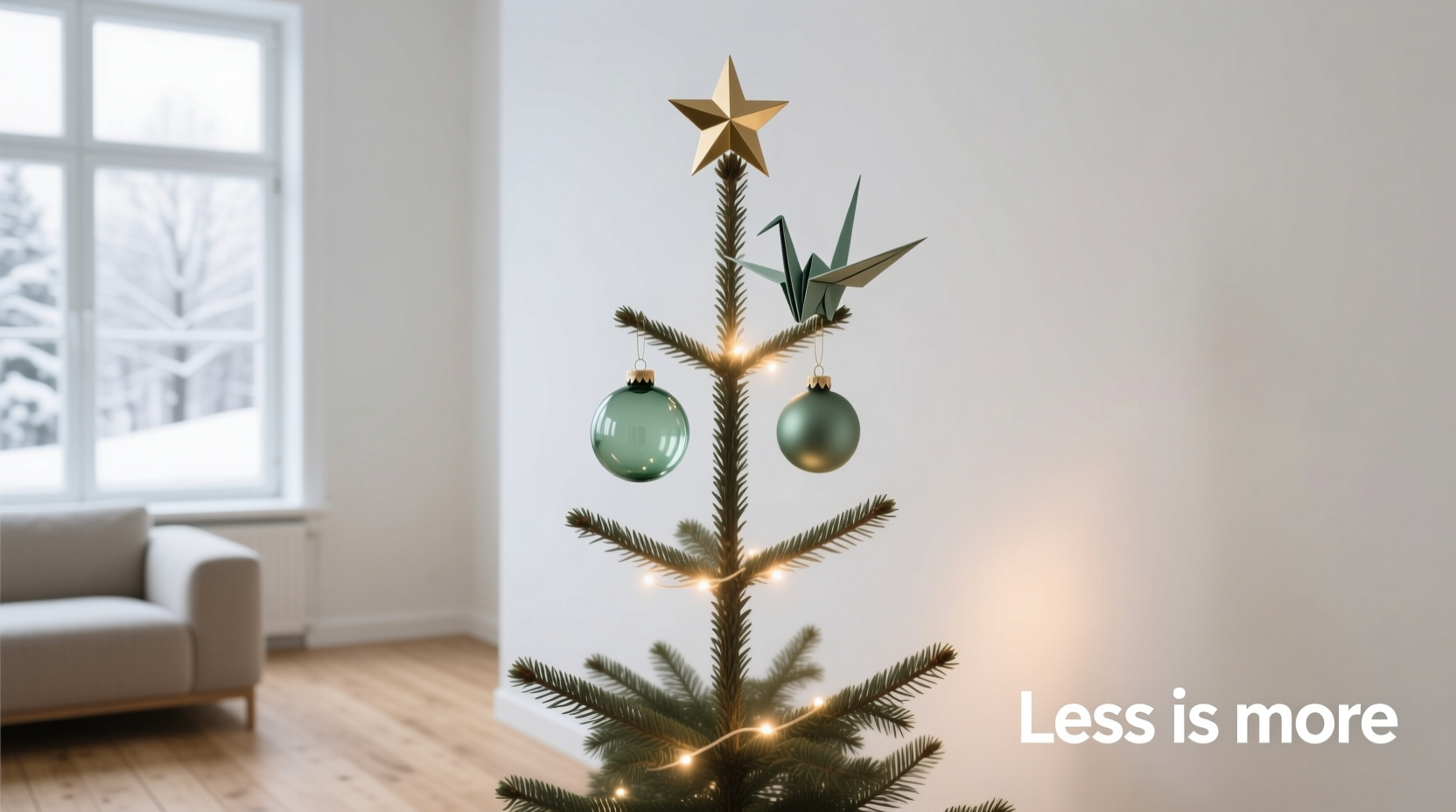
Minimalism isn’t about absence—it’s about presence. It’s choosing what truly matters and removing distractions. When applied to Christmas decor, this means prioritizing quality over quantity, symbolism over surplus, and harmony over chaos. A minimalist tree becomes a focal point not because it’s covered in lights, but because every element has purpose.
This design principle aligns with growing cultural shifts toward mindful consumption and sustainable living. Many people are reevaluating holiday spending and waste, opting instead for timeless pieces that can be reused year after year. A minimalist tree supports this ethos: fewer disposable ornaments, less packaging, and a focus on heirloom or handmade items.
“Simplicity in decoration allows space for reflection. The fewer the elements, the more each one speaks.” — Clara Mendez, Interior Designer & Author of *Calm Spaces*
Step-by-Step Guide to Building Your Minimalist Tree
Creating a minimalist Christmas tree isn’t just about using fewer decorations—it’s about making deliberate choices at every stage. Follow this timeline to build a cohesive, impactful display.
- Choose the Right Tree (Day 1): Start with a well-shaped artificial or real tree. For minimalism, symmetry and clean lines matter. A slim-profile or pencil tree works especially well in small spaces. If using a real tree, opt for species with strong branch structure like Fraser fir or Nordmann fir.
- Select a Neutral Base Palette (Day 2): Decide on a restrained color scheme—white, cream, gold, black, forest green, or metallic tones. Limit yourself to two or three colors max. This creates visual unity and prevents sensory overload.
- Invest in High-Impact Lighting (Day 3): Instead of multicolored lights, use warm white or soft amber LED string lights. Space them evenly for gentle glow rather than sparkle. Consider using fewer strands—just enough to outline the shape and add depth.
- Pick Signature Ornaments (Day 4–5): Choose 5–10 standout pieces. These could be oversized glass balls, handblown shapes, wooden silhouettes, or fabric stars. Place them strategically around the tree so they’re visible from all angles.
- Add Texture, Not Clutter (Day 6): Introduce tactile contrast with natural materials—dried citrus slices, cinnamon sticks tied with twine, or felted wool balls. These add warmth without visual noise.
- Top It With Purpose (Day 7): Skip the chaotic tinsel star. Instead, use a simple geometric topper—a brass angel, a single looped bow in heavy ribbon, or a dried wreath. Let it feel intentional, not obligatory.
Checklist: Essentials for a Minimalist Christmas Tree
- ✔ One cohesive color palette (max 3 colors)
- ✔ Warm white or monochromatic lighting
- ✔ 5–10 high-quality, statement ornaments
- ✔ Natural or textured elements (wood, wool, paper, metal)
- ✔ Simple, elegant tree topper
- ✔ Optional: Scented accents (cinnamon, pine, clove) for sensory layering
- ✔ Tree skirt in neutral fabric (linen, burlap, or velvet)
Do’s and Don’ts: Avoiding Common Pitfalls
Even with good intentions, it’s easy to slip into old habits. Use this table as a guide to stay on track.
| Do | Don’t |
|---|---|
| Use spacing to let ornaments breathe—place them at least 6–8 inches apart. | Cluster too many small ornaments together; it creates visual clutter. |
| Repeat one type of ornament in different sizes for rhythm. | Mix too many styles (e.g., rustic wood, glittery snowmen, and neon bulbs). |
| Incorporate personal meaning—e.g., one heirloom ornament passed down. | Fill the tree just to “cover all branches.” Empty space is part of the design. |
| Use dimmable lights to adjust ambiance throughout the season. | Over-light the tree; brightness competes with ornament detail. |
Real Example: A Studio Apartment Transformation
Sophie, a graphic designer in Portland, lives in a 450-square-foot studio where every inch counts. Last year, she decided to replace her overloaded six-foot tree with a minimalist alternative. She chose a 4-foot artificial pencil tree in matte green, wrapped in a single strand of warm fairy lights. Instead of dozens of ornaments, she selected seven handmade ceramic baubles in varying shades of sage and charcoal, each glazed by a local artist. She added three dried orange slices threaded with hemp and topped the tree with a bent brass star.
The result? Her tree became a conversation piece. Guests remarked on its tranquility and sophistication. “I used to spend hours untangling lights and ornaments,” she said. “Now I spend five minutes adjusting two pieces—and it feels complete.” Her tree took up less floor space, required no storage bins, and aligned with her aesthetic of functional beauty.
Material Matters: Choosing Impactful Decorations
The power of minimalism lies in material quality. When you have only a few ornaments, each must earn its place. Prioritize craftsmanship, texture, and longevity.
Glass ornaments remain a top choice for their reflective quality and timeless appeal. Look for mouth-blown varieties with subtle imperfections—they catch light softly and feel authentic. Wood brings warmth and organic simplicity; consider laser-cut geometric shapes or hand-turned spheres. Felt and wool offer softness and sound-dampening benefits in open spaces. Metal accents—especially brass, copper, or matte black steel—add understated luxury.
Avoid plastic, glitter-coated items, or mass-produced seasonal figures. These tend to look dated quickly and lack emotional resonance. Instead, invest in pieces you’d display even outside the holidays.
“A minimalist tree should feel like a piece of art—not a storage unit for sentimental clutter.” — Julian Reed, Sustainable Design Consultant
Frequently Asked Questions
Can a minimalist tree still feel festive?
Absolutely. Festivity comes from atmosphere, not volume. A few well-placed candles, soft music, and the scent of pine or cinnamon can enhance the mood far more than crowded branches. A minimalist tree invites people to lean in, observe details, and appreciate craftsmanship—making the experience more intimate and memorable.
What if I have children who expect a “full” tree?
Involve them in the process. Let them choose one or two special ornaments to hang each year. You might also designate a separate “fun tree”—a small tabletop version where playful decorations live. This preserves the minimalist main tree while honoring joyful traditions.
How do I store minimalist ornaments if there are so few?
Use a single, durable box lined with acid-free tissue paper. Because the pieces are fewer and higher quality, they deserve better protection. Label the box clearly and store it in a temperature-stable area. Many minimalist decorators find they look forward to opening this small ritual each December.
Conclusion: Less Can Be More Meaningful
A minimalist Christmas tree isn’t a compromise—it’s a refinement. It challenges the assumption that more is merrier and replaces it with the idea that thoughtful curation brings deeper joy. By focusing on fewer, more meaningful decorations, you create space—for conversation, for memory, for peace. You reduce stress, simplify cleanup, and elevate your home’s aesthetic with lasting impact.
This holiday season, consider what you truly value in your celebration. Let your tree reflect that. Choose ornaments with care, embrace empty space as part of the design, and allow silence between the notes. In doing so, you may find that the simplest tree becomes the most memorable one yet.




 浙公网安备
33010002000092号
浙公网安备
33010002000092号 浙B2-20120091-4
Comments
No comments yet. Why don't you start the discussion?