
A cluttered desk often mirrors a cluttered mind. In an age of constant digital pings, overflowing inboxes, and multitasking demands, the modern workspace can quickly become a source of distraction and anxiety. Yet, by embracing minimalism—not as a trend, but as a functional philosophy—you can transform your work environment into a sanctuary of clarity and concentration. A minimalist workspace isn’t about austerity or empty surfaces; it’s about intentionality. It’s removing everything that doesn’t serve your productivity or peace, leaving only what supports deep work and mental ease. This approach goes beyond aesthetics: it reshapes how you think, feel, and perform during your workday.
The Psychology Behind Minimalism and Focus
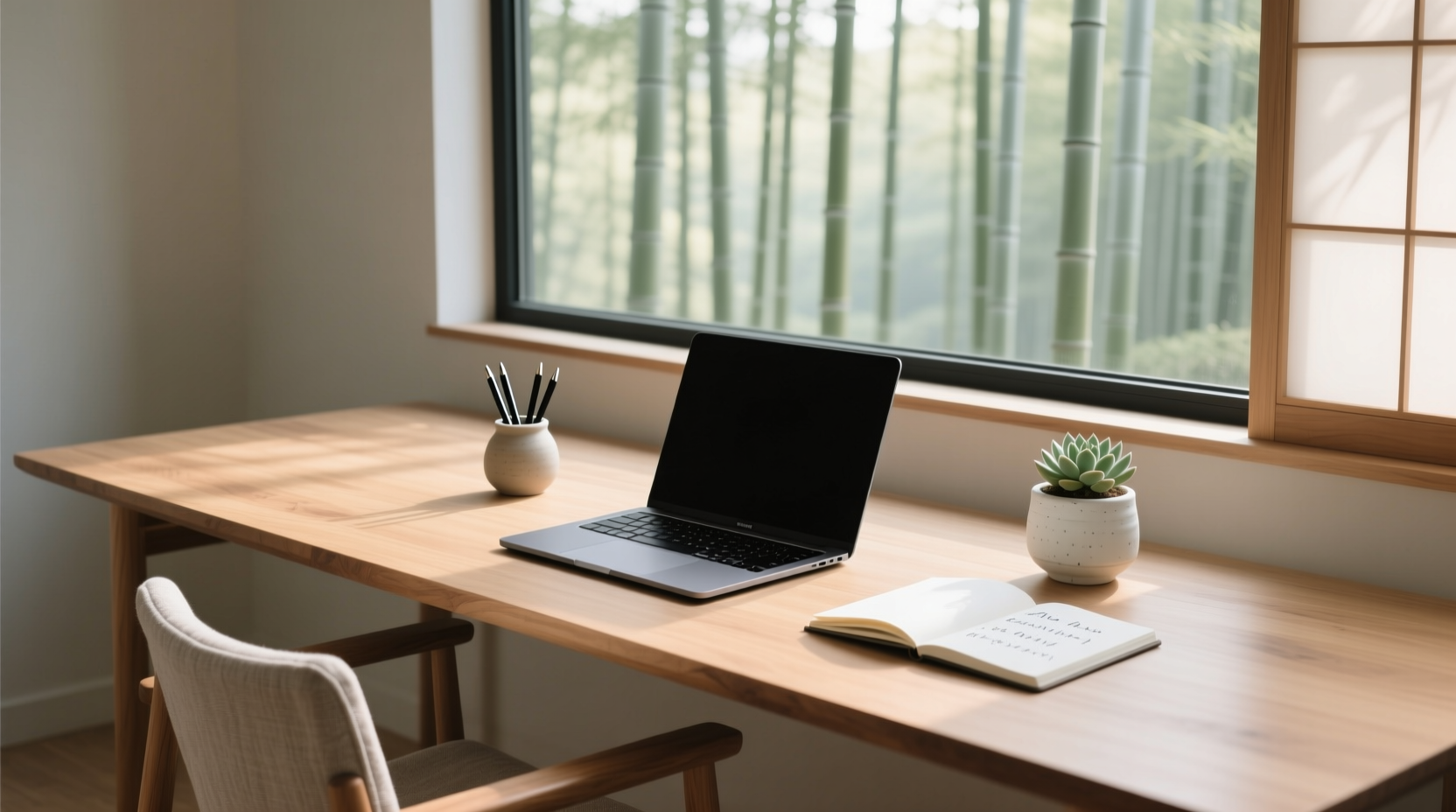
Our brains are wired to respond to visual stimuli. Every object on your desk competes for attention, even if subconsciously. Research from Princeton University Neuroscience Institute shows that physical clutter limits our ability to process information and maintain attention. When your field of vision is crowded with unrelated items—old coffee mugs, stacks of paper, unused gadgets—your cognitive load increases, making it harder to concentrate on the task at hand.
Minimalism counteracts this by reducing environmental noise. A clean, ordered space signals safety and control to the brain, lowering cortisol levels and reducing stress. This creates optimal conditions for flow states—the mental zone where focus is effortless and productivity soars. As designer John Pawson, a pioneer of architectural minimalism, puts it:
“Minimalism is not an aesthetic of absence, but of clarity. It removes the irrelevant so the essential can speak.” — John Pawson, Architect and Author
When applied to a workspace, this principle means every item should have a purpose and a place. Nothing stays out of habit or inertia. This deliberate curation trains mindfulness, reinforcing the idea that how you organize your space reflects how you organize your thoughts.
Step-by-Step Guide to Building Your Minimalist Workspace
Creating a minimalist workspace isn’t a one-time cleanup—it’s a process of refinement. Follow these steps to build a setup that supports both focus and calm over the long term.
- Clear Everything Off Your Desk
Start with a blank slate. Remove all items—laptop, notebooks, pens, chargers—everything. This forces you to evaluate each object individually rather than accepting them as default fixtures. - Categorize and Evaluate
Sort items into categories: technology, writing tools, reference materials, decor, personal items. For each, ask: “Do I use this daily? Does it improve my work or well-being?” If not, consider storing it elsewhere or letting it go. - Define Zones
Divide your desk into functional zones: a primary work area (for laptop/notebook), a tool dock (for frequently used items like pen and notepad), and a passive zone (for a plant or calming object). Keep these zones distinct and uncluttered. - Invest in Smart Storage
Use drawers, trays, or desktop organizers to house secondary items. The goal is “out of sight, but accessible.” Cables should be managed with clips or sleeves. Digital files deserve the same treatment—organize folders, delete duplicates, and archive old projects. - Add Only What Serves Purpose or Peace
Now reintroduce items one by one. A notebook for journaling? Yes, if it helps. A framed photo of loved ones? Only if it brings comfort, not distraction. Avoid decorative clutter disguised as inspiration. - Test and Refine
Spend a full workday using the new setup. Notice moments of friction or distraction. Was a needed item too far away? Was the space still visually busy? Adjust accordingly. Minimalism is iterative, not rigid.
Essential Elements of a Calm and Focused Workspace
A truly effective minimalist workspace balances function with sensory harmony. Consider these core components:
- Ergonomic Simplicity: Choose a chair and desk at proper height. An adjustable standing desk allows movement without visual clutter. Keep only necessary tech on the surface—laptop, mouse, perhaps a monitor.
- Neutral Color Palette: Stick to soft whites, grays, warm wood tones, or muted earth colors. These reduce visual strain and promote relaxation. Avoid bright or contrasting colors unless used sparingly as accents.
- Natural Light and Airflow: Position your desk near a window if possible. Natural light regulates circadian rhythms, improving alertness and mood. Open a window periodically to refresh the air—stale air dulls cognition.
- One Meaningful Object: Allow yourself a single personal item—a small plant, a smooth stone, a simple piece of art. This adds warmth without clutter. Rotate it seasonally to keep the space feeling fresh.
- Digital Minimalism: Apply the same principles to your screen. Use a clean desktop background, close unused tabs, and disable non-essential notifications. Tools like Freedom or Focus@Will can help maintain digital discipline.
Do’s and Don’ts of Minimalist Workspace Design
| Do | Don’t |
|---|---|
| Keep only daily-use items on your desk | Leave stacks of papers or books “for later” |
| Use cable management solutions | Allow cords to tangle across the desk |
| Choose furniture with clean lines and hidden storage | Overload shelves with knickknacks or memorabilia |
| Wipe down surfaces daily to maintain order | Rely solely on weekly cleans—daily micro-habits matter more |
| Incorporate a living element like a low-maintenance plant | Add multiple plants that require high upkeep |
Real Example: Transforming a Home Office Over One Weekend
Sarah, a freelance copywriter based in Portland, struggled with procrastination and afternoon fatigue. Her workspace was a corner of her bedroom: a wooden desk buried under notebooks, sticky notes, three different lamps, a half-empty water bottle, and a tangle of charging cables. She felt overwhelmed before she even opened her laptop.
Over a weekend, she followed the minimalist redesign process. She cleared the desk entirely, sorted items into keep, store, and discard piles, and donated old stationery and broken gadgets. She kept only her laptop, a notebook, a pen holder, and a small succulent. She mounted a shelf above the desk for reference books and used a fabric cable sleeve to bundle cords.
The change was immediate. “I noticed less eye strain and fewer urges to check my phone,” Sarah said. “Without visual chaos, my brain didn’t feel as taxed. I started finishing tasks earlier and felt calmer throughout the day.” After four weeks, she tracked a 30% increase in deep work hours and reduced her evening screen time by cutting the urge to “recover” from mental fatigue.
Checklist: Build Your Minimalist Workspace in 10 Actions
Use this checklist to implement your transformation efficiently:
- ☐ Clear your entire desk surface
- ☐ Sort items into categories (tech, tools, personal, etc.)
- ☐ Discard or donate anything unused in the past 90 days
- ☐ Assign a designated home for each kept item
- ☐ Invest in cable management (e.g., clips, sleeves, or a cord box)
- ☐ Choose a neutral, calming color scheme for walls and furniture
- ☐ Add one natural element (plant, wood accent, or stone)
- ☐ Organize digital files and desktop icons
- ☐ Set up a daily reset routine (2-minute cleanup at day’s end)
- ☐ Review and refine the setup after one week of use
Frequently Asked Questions
Isn’t minimalism too sterile for creativity?
Minimalism isn’t about eliminating personality—it’s about curating it. Creativity thrives in clarity, not chaos. Many artists and writers, from Agnes Martin to Junichiro Tanizaki, have worked in sparse environments. A minimalist space removes distractions so your mind can wander freely without external noise.
What if I need lots of tools for my job?
Minimalism accommodates complexity when organized intentionally. Use drawer dividers, labeled trays, or rolling carts with closed fronts to store tools out of sight. The key is accessibility without visual overload. Only what’s in active use should be visible.
How do I maintain minimalism long-term?
Build micro-habits: a nightly reset, weekly supply audits, and quarterly deep reviews. Treat your workspace like a meditation cushion—return it to simplicity daily. Also, avoid emotional attachment to objects; remember, their value lies in utility, not sentiment.
Conclusion: Start Small, Think Deep
A minimalist workspace isn’t achieved overnight, nor does it demand perfection. It begins with a single decision: to prioritize clarity over convenience, presence over possession. Each removed item is a step toward greater mental freedom. Each clean line and open surface becomes a quiet invitation to focus, breathe, and do meaningful work.
You don’t need a new desk or expensive gear. You need intention. Begin today—clear one corner, unplug one cable, set down one unnecessary object. Let that small act ripple into a deeper practice of mindful working. Over time, your workspace will become more than a place to get things done; it will become a reflection of your inner calm and disciplined creativity.




 浙公网安备
33010002000092号
浙公网安备
33010002000092号 浙B2-20120091-4
Comments
No comments yet. Why don't you start the discussion?