
A monochromatic Christmas tree is more than a design trend—it’s a statement of refined taste. Stripped of multicolored clutter, this minimalist approach relies on a single color family to evoke sophistication and calm during the holiday season. But without color contrast, how do you prevent the tree from looking flat? The answer lies in light. By strategically layering different intensities of illumination, you can sculpt depth, highlight texture, and bring dimension to an otherwise uniform palette. This guide walks through the principles, tools, and techniques to craft a luminous, dynamic monochrome tree that captivates with subtlety.
The Power of Light in Monochromatic Design
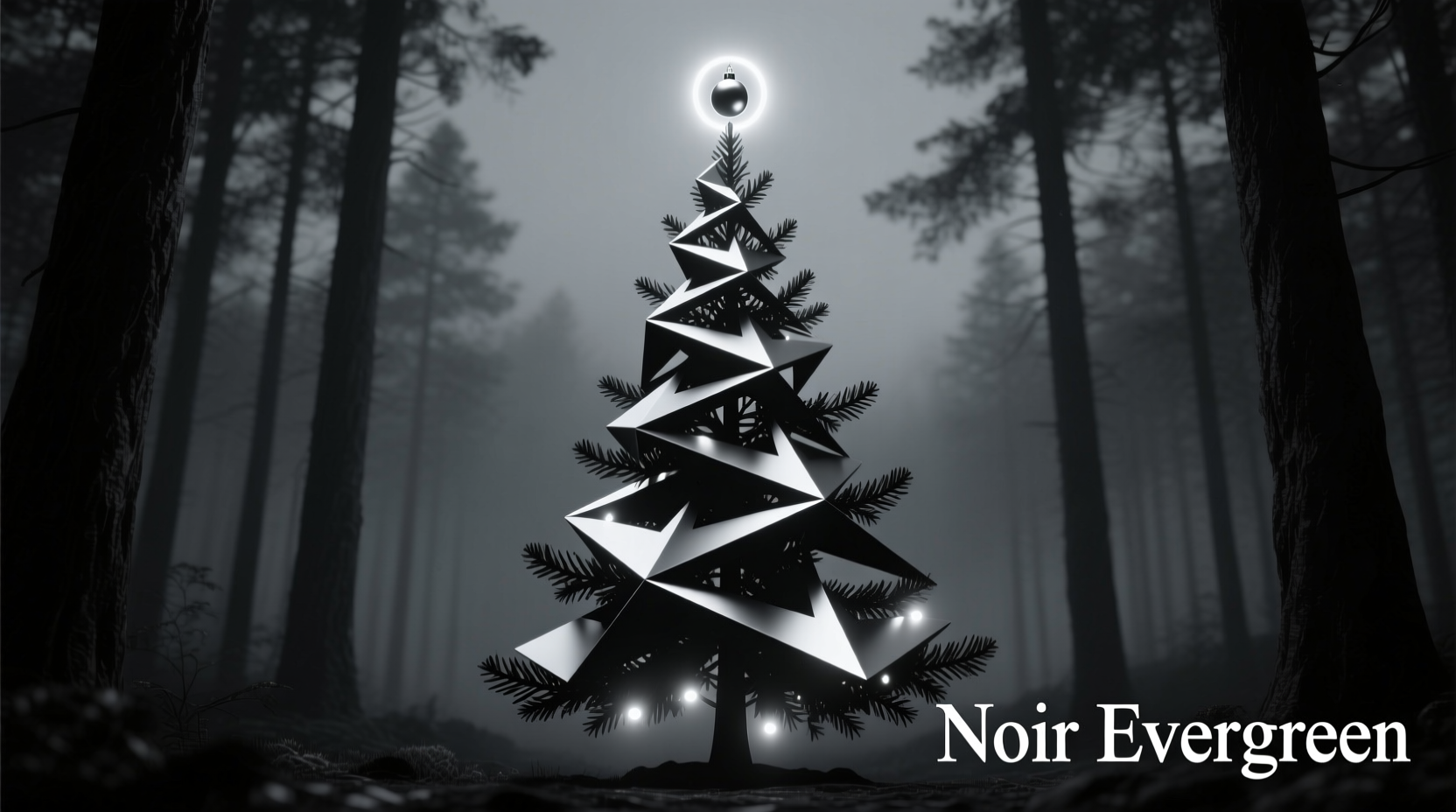
In interior design, monochrome schemes are celebrated for their ability to create harmony and focus. Applied to a Christmas tree, the same principle holds: one color—such as white, silver, gold, or deep navy—unifies every ornament, ribbon, and bulb. But unity can easily tip into monotony if not balanced with variation. That’s where lighting becomes the primary tool for visual interest.
Unlike traditional trees that use colored lights to break up space, a monochromatic tree uses changes in brightness, warmth, and placement to define layers. Think of it like black-and-white photography: even without color, shadows and highlights convey form, emotion, and movement. A well-lit monochrome tree uses high-intensity spots to draw attention to key ornaments, soft glows to fill background areas, and dimmable gradients to create rhythm from base to tip.
Choosing Your Color Palette and Theme
Before touching a single bulb, decide on your dominant color. Popular choices include:
- White & Silver: Icy, ethereal, and timeless. Ideal for modern or Scandinavian-inspired spaces.
- Gold & Ivory: Warm, luxurious, and inviting. Perfect for traditional or vintage themes.
- Charcoal & Navy: Deep, dramatic, and contemporary. Creates a moody ambiance when paired with metallic accents.
- Rose Gold & Blush: Romantic and elegant. Offers a soft, feminine touch without straying from monochrome.
Once selected, ensure all elements—ornaments, tinsel, tree skirt, and lights—fall within the same tonal range. For example, a silver-themed tree might include matte mercury glass balls, mirrored stars, and frosted icicles, all illuminated by layered lighting.
“Light isn’t just functional on a monochrome tree—it’s the emotional core. It guides the eye, creates rhythm, and turns simplicity into artistry.” — Lena Torres, Lighting Designer & Holiday Stylist
Step-by-Step Guide: Building Depth with Light Intensity
Creating visual depth on a monochromatic tree requires a deliberate sequence of lighting application. Follow this timeline to achieve professional results:
- Start with ambient base lighting (low intensity): Wrap the tree with a string of warm or cool white LED lights at low brightness (30–40%). These act as the foundation, filling gaps and preventing dark zones. Space evenly around the trunk and inner branches.
- Add mid-layer accent lights (medium intensity): Weave a second set of lights through the middle canopy at 60–70% brightness. Position them closer to the outer edges to create a “halo” effect around each tier.
- Install directional spotlight ornaments (high intensity): Incorporate battery-powered micro-spotlights or LED-embedded ornaments that emit focused beams. Place these near focal points like the tree topper, large centerpiece baubles, or gift-shaped decorations at the base.
- Use dimmers or smart controls: Connect your light strings to individual dimmer switches or a smart hub (e.g., Philips Hue, Lutron) so you can adjust intensity levels remotely and fine-tune the balance.
- Test and refine after dark: View the tree in low-light conditions. Walk around it to check for symmetry. Adjust any overly bright spots or shadowed areas by repositioning bulbs or modifying brightness.
This layered approach mimics natural light behavior—like sunlight filtering through trees—giving the illusion of movement and dimension even in stillness.
Essential Tools and Materials Checklist
To execute this technique successfully, gather the following before beginning:
- One artificial or real Christmas tree (preferably with full, tiered branching)
- At least two sets of white LED string lights (same color temperature)
- Smart plugs or dimmer switches for independent control
- Battery-powered spotlight ornaments or puck lights
- Monochromatic ornaments in varying textures (matte, glossy, mirrored)
- Extension cords and cable organizers
- Ladder or step stool for top-access lighting
- Timer or app for automated lighting schedules
Do’s and Don’ts: Lighting Application Table
| Do | Don’t |
|---|---|
| Use multiple strands with independent controls to manage zones | Daisy-chain too many strings on one circuit, risking uneven brightness |
| Vary ornament reflectivity—mix matte, shiny, and translucent pieces | Use only flat, non-reflective ornaments that absorb light |
| Angle spotlights slightly downward to highlight lower branches | Point all lights outward; some should face inward for internal glow |
| Test lighting at night, not in daylight | Judge final effect under room lights or sunlight |
| Incorporate fiber optic tips or snow-flocked branches to scatter light | Overload the tree with dense tinsel that blocks light transmission |
Real Example: The Minimalist White Tree in a Modern Loft
In a downtown Chicago loft, interior stylist Marcus Reed transformed a 7-foot flocked tree into a glowing centerpiece using only white and silver elements. With no colored lights or patterned decor, the success hinged entirely on lighting strategy.
Marcus began by installing 300 warm white LEDs at low intensity along the inner frame. He then added a second strand of 200 cool white LEDs on the outer branches, set to medium brightness. To create drama, he placed three small, motion-activated spotlight ornaments—one near the star topper, one at mid-canopy, and one illuminating a silver-wrapped faux gift at the base.
The result was striking: from across the room, the tree appeared softly radiant, but up close, viewers noticed shimmering gradients and shifting highlights as they moved. Guests often remarked they could “feel” the tree before fully seeing it—an effect Marcus attributes to “light as texture.”
By programming the lights to gradually brighten at dusk and dim by midnight, he maintained elegance without overwhelming the space. The entire setup used less energy than a standard lamp and became the most photographed feature of the holiday open house.
Advanced Techniques for Maximum Impact
For those seeking to elevate their design further, consider these advanced methods:
- Pulse or fade effects: Use programmable smart lights to gently pulse or fade between intensities, simulating breath-like movement. Keep transitions slow (5–10 seconds) to maintain serenity.
- Backlighting the tree: Place a floor-standing LED panel or wall-mounted light behind the tree to create a glowing silhouette, especially effective in rooms with neutral walls.
- Interactive lighting: Link lights to sound sensors so volume changes in music cause subtle brightness shifts—ideal for gatherings without breaking the monochrome mood.
- Zoned dimming: Divide the tree into thirds (bottom, middle, top) and assign each a separate dimmer channel. This allows you to emphasize certain sections depending on occasion or time of day.
These techniques require minimal extra cost but significantly enhance perception of depth and dynamism.
Frequently Asked Questions
Can I use colored lights on a monochromatic tree?
Only if they match your theme’s undertone. For example, a gold-themed tree can use warm amber LEDs, while a silver tree suits pure white or cool blue-white. Avoid hues that clash, such as yellow lights on a cool gray scheme.
How many lights do I need for a monochrome tree?
A good rule is 100 lights per vertical foot of tree—but since you’re layering intensities, consider using two full strands: one dimmed for base fill, one at full or partial brightness for definition. More lights give greater control over gradients.
Will a monochrome tree look dull during the day?
Not if you incorporate texture. Use a mix of finishes—crystalline, brushed metal, frosted glass, velvet ribbons—that catch natural light differently. During daytime, the tree relies on material contrast; at night, lighting takes over.
Final Thoughts: Let Light Tell the Story
A monochromatic Christmas tree is not an absence of color, but a celebration of restraint. When done well, it becomes a canvas where light performs as both function and art. By mastering the interplay of intensity, placement, and control, you transform a simple decoration into a living sculpture—one that shifts with the hour, responds to its environment, and draws people in with quiet brilliance.
The most memorable holiday displays aren’t always the brightest or boldest. Often, they’re the ones that invite pause, reflection, and awe through subtlety. With careful lighting, your monochrome tree can be that moment of calm in the festive rush—a luminous anchor in the season’s joy.




 浙公网安备
33010002000092号
浙公网安备
33010002000092号 浙B2-20120091-4
Comments
No comments yet. Why don't you start the discussion?