
For many, the nativity scene is the heart of Christmas—a quiet reminder of the season’s true meaning. But integrating this sacred centerpiece into your home’s existing holiday decor can be challenging. Too often, nativity sets feel out of place: too rustic for a modern apartment, too formal for a cozy cottage, or simply clashing with color schemes and design styles. The solution isn’t to set it aside, but to thoughtfully blend it into your seasonal aesthetic.
A well-designed nativity display doesn’t compete with your decor—it enhances it. With attention to scale, materials, lighting, and placement, you can create a scene that feels both reverent and seamlessly part of your holiday ambiance. Whether your style leans toward minimalist Scandinavian, vintage farmhouse, or glamorous gold-and-white elegance, the nativity can find its natural home.
Understand Your Decor Style First
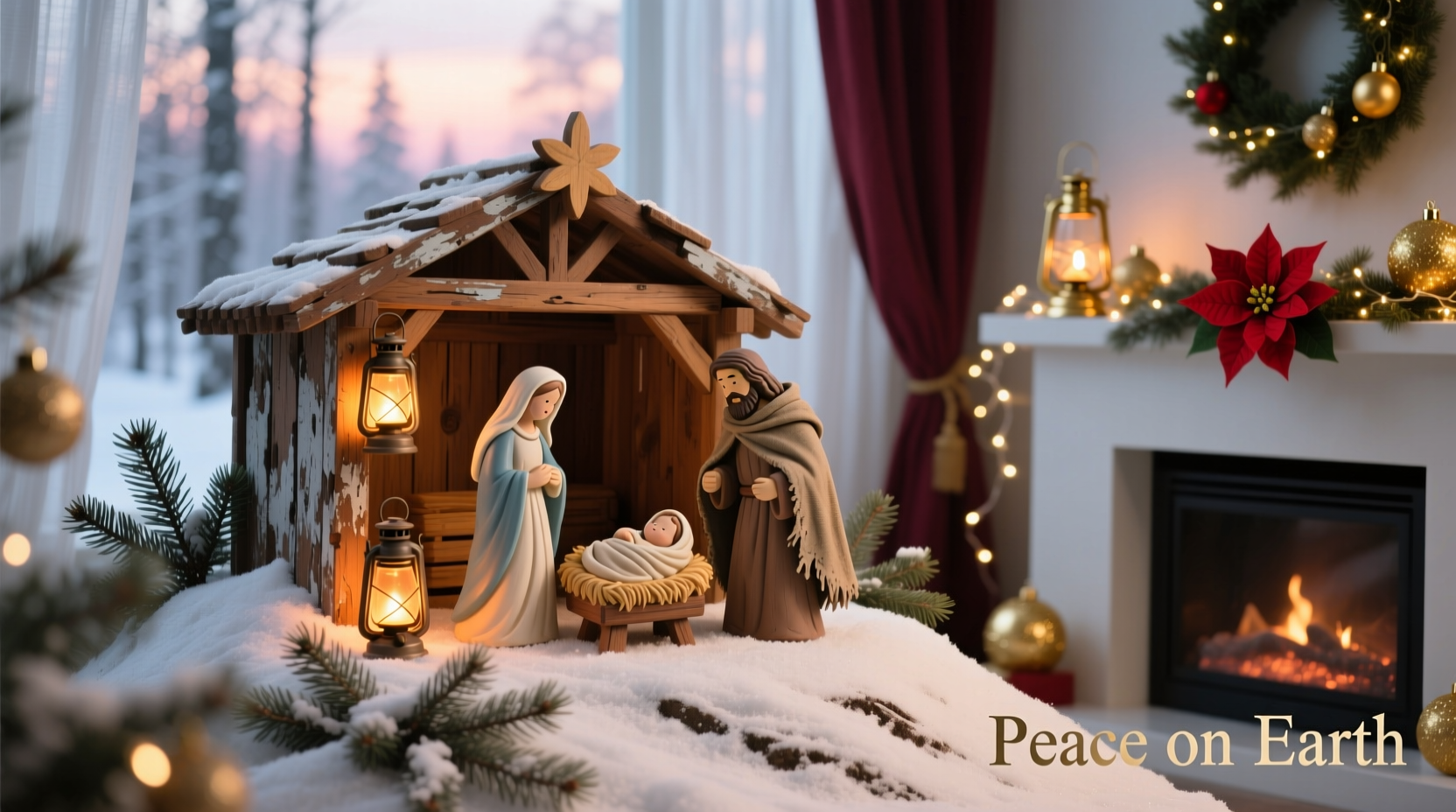
Before selecting figurines or choosing a location, take stock of your current Christmas theme. Is your palette cool and muted with silver, gray, and white? Warm and earthy with reds, greens, and wood tones? Or bold and playful with bright colors and glitter?
Your nativity scene should reflect the same design language. A mismatched set—such as a hand-carved wooden manger in a sleek, all-white modern living room—can disrupt visual harmony unless intentionally contrasted. Instead, seek cohesion through shared textures, finishes, or color accents.
Consider these common Christmas decor styles and compatible nativity approaches:
| Decor Style | Nativity Material Suggestions | Color & Accent Tips |
|---|---|---|
| Modern Minimalist | Ceramic, concrete, or geometric metal figures | Stick to monochrome (white, black, gray); use negative space |
| Farmhouse Rustic | Wood, burlap, linen-wrapped figures; handmade pottery | Incorporate pinecones, dried wheat, or moss; warm string lights |
| Glamorous Elegance | Metallic resin, crystal-detailed, or velvet-draped figures | Add gold or silver dusting; pair with mirrored trays or candle stands |
| Vintage Traditional | Porcelain, hand-painted ceramic, heirloom wood | Use red velvet base, lace runner, or antique lanterns |
| Nordic/Scandinavian | Light wood, felt animals, simple silhouettes | White base, soft wool fabric, minimalist tree nearby |
Choose the Right Scale and Proportion
One of the most overlooked aspects of integration is scale. A towering three-foot nativity beneath a six-inch mantel will overwhelm the space. Conversely, tiny figurines lost in a large entryway won’t command attention or reverence.
Measure your intended display area before purchasing or setting up your scene. Consider not just width and depth, but also sightlines—will it be viewed from across the room, or up close on a coffee table?
- Small spaces (apartments, dorm rooms): Opt for tabletop sets under 12 inches. Felt, paper, or compact resin scenes work well.
- Medium areas (mantels, sideboards): Aim for 18–24 inches wide. Allows for full Holy Family plus a few animals and shepherd.
- Large displays (entry foyers, living room corners): Go up to 36+ inches. Include background elements like hills, stars, or stable walls.
If your existing decor includes tall trees or stacked gift towers, balance verticality with a low, horizontal nativity layout. If your room is horizontally expansive, a taller backdrop or tiered platform can add dimension without crowding.
“Proportion is everything in interior storytelling. The nativity shouldn’t shout; it should invite contemplation.” — Lydia Tran, Interior Stylist & Holiday Design Consultant
Step-by-Step: Building a Harmonious Nativity Display
Follow this timeline to ensure your nativity integrates smoothly with your decor, ideally two to three weeks before Christmas.
- Week 1: Audit your current decor. Walk through each room where holiday decorations are displayed. Take notes on dominant colors, materials, lighting, and focal points.
- Week 2: Select or curate your nativity set. If you don’t already own one, choose based on your style analysis. Look for sets with neutral bases or removable parts so you can customize.
- Week 3: Plan the layout. Sketch a rough diagram of your chosen space. Mark where the nativity will go relative to the tree, menorah, stockings, or other features.
- Week 4: Assemble and test. Set up the scene without final lighting or accessories. Step back and view from different angles. Adjust spacing or swap elements if needed.
- Final Touches (one day before decorating fully): Add subtle lighting, natural elements, and any thematic props that tie into your overall scheme.
This methodical approach prevents last-minute clashes and allows time to source missing pieces—like a matching gold star topper or coordinating fabric runner.
Enhance with Lighting and Natural Elements
Lighting transforms a static display into a focal point. But harsh spotlights or blinking LEDs can cheapen the effect. Aim for soft, warm illumination that mimics candlelight.
Mini LED string lights tucked behind the manger, battery-operated tea lights beneath Mary and Joseph, or a small spotlight angled from above can all add gentle drama. For a modern look, consider a recessed LED strip under a floating shelf display. In rustic settings, real (but safely contained) candles in glass holders add authenticity.
Natural elements bridge the gap between decor and symbolism. Use what fits your theme:
- Dried eucalyptus or rosemary sprigs to represent the Judean wilderness
- Spruce tips or pine branches echoing your Christmas tree
- White sand or fine pebbles for a desert base, especially effective on glass-top tables
- Miniature wooden fences or stone pathways made from craft materials
Real Example: Blending Tradition in a Modern Home
Sarah Kim, a graphic designer in Portland, wanted to honor her Korean-American family’s dual traditions: a glowing Hanukkah menorah and a cherished porcelain nativity passed down from her grandmother. Her living room featured a monochrome palette—white tree, black frames, gray sofa—with touches of brushed brass.
Instead of placing the nativity on the crowded mantel beside the menorah, she created a secondary vignette on a floating black shelf in the hallway. She painted a subtle gold star on the wall behind it, used a brass-edged tray as a base, and flanked the scene with two small brass candle holders (unlit during Hanukkah nights). The porcelain figures stood out against the dark background, and the shared metallic accent unified both traditions without visual competition.
The result? A peaceful, intentional corner that honored both faiths and elevated her entire decor narrative.
Checklist: Creating a Cohesive Nativity Scene
Use this checklist before finalizing your display:
- Identified my primary Christmas decor style (e.g., rustic, modern, traditional)
- Measured the display area and selected appropriately sized figures
- Ensured color harmony between nativity and surrounding decor
- Chosen natural or thematic base material (wood, fabric, sand, etc.)
- Planned soft, warm lighting (LEDs, candles, or ambient room light)
- Positioned the scene at eye level or in a natural line of sight
- Left breathing space—avoided overcrowding with other decor items
- Tested viewing angles from multiple spots in the room
- Added one symbolic touch (star, dove, shepherd’s staff) for depth
- Reviewed for safety (no tripping hazards, secure electrical cords)
Common Mistakes to Avoid
Even thoughtful efforts can falter due to small missteps. Watch for these pitfalls:
- Over-accessorizing: Adding too many figurines dilutes focus. Stick to essential characters unless creating a large tableau.
- Poor placement: Don’t tuck the scene behind the tree or in a dim corner where it’s forgotten.
- Ignoring flow: Ensure the scene faces the room, not the wall, unless built into a backdrop.
- Clashing materials: Mixing polished chrome with rough-hewn wood may look unintentional unless styled deliberately.
- Forgetting maintenance: Dust figures gently before display; check batteries in lights ahead of time.
“The best nativity scenes don’t just sit in a room—they belong to it.” — Marcus Bell, Liturgical Designer & Author of *Sacred Spaces at Home*
Frequently Asked Questions
Can I mix my nativity with other holiday decor like Santa or reindeer?
Yes, but with intention. If blending secular and sacred elements, create zones. Place the nativity in a quieter, more reflective area—like a side table or bookshelf—while keeping festive characters near the tree or entryway. This honors both the joy and reverence of the season without confusion.
What if my family’s nativity set doesn’t match my decor?
Adapt, don’t discard. Use a neutral base—like a white linen cloth or wooden tray—to buffer visual differences. Add accent lighting or surround it with plants or candles that echo your theme. You can even repaint non-essential accessories (like stable fences) to match your palette, as long as original figures remain untouched.
How do I make a small nativity feel significant?
Scale isn’t everything. Elevate a small set by placing it on a pedestal, framing it with greenery, or spotlighting it. Position it where it will be seen daily—near your morning coffee station or beside the front door. Meaning grows from attention, not size.
Conclusion: A Scene That Belongs
A nativity scene doesn’t have to be an afterthought or a standalone relic. When thoughtfully integrated, it becomes the soul of your holiday home—one that resonates with both beauty and purpose. By aligning its design with your existing decor, you affirm that reverence and style aren’t opposites, but partners in creating a season of warmth, memory, and meaning.




 浙公网安备
33010002000092号
浙公网安备
33010002000092号 浙B2-20120091-4
Comments
No comments yet. Why don't you start the discussion?