
Transforming your home into a winter wonderland doesn’t have to mean frostbite, dripping water, or hours of scrubbing glass afterward. The desire for a snowy aesthetic—especially during the holiday season—is universal, but real snow is impractical indoors. Fortunately, you can achieve a convincing, ethereal snow effect on windows and mirrors without any of the mess. With the right materials and techniques, you can mimic the delicate look of freshly fallen snow that clings gently to glass surfaces, enhancing ambiance while preserving cleanliness.
This guide explores proven, low-mess methods to simulate snow on reflective surfaces using accessible household or craft supplies. Whether you're decorating for Christmas, creating a seasonal display in a retail space, or designing a photo backdrop, these techniques deliver visual impact without residue, streaks, or damage to glass.
Why Avoid Real Snow and Traditional Alternatives?
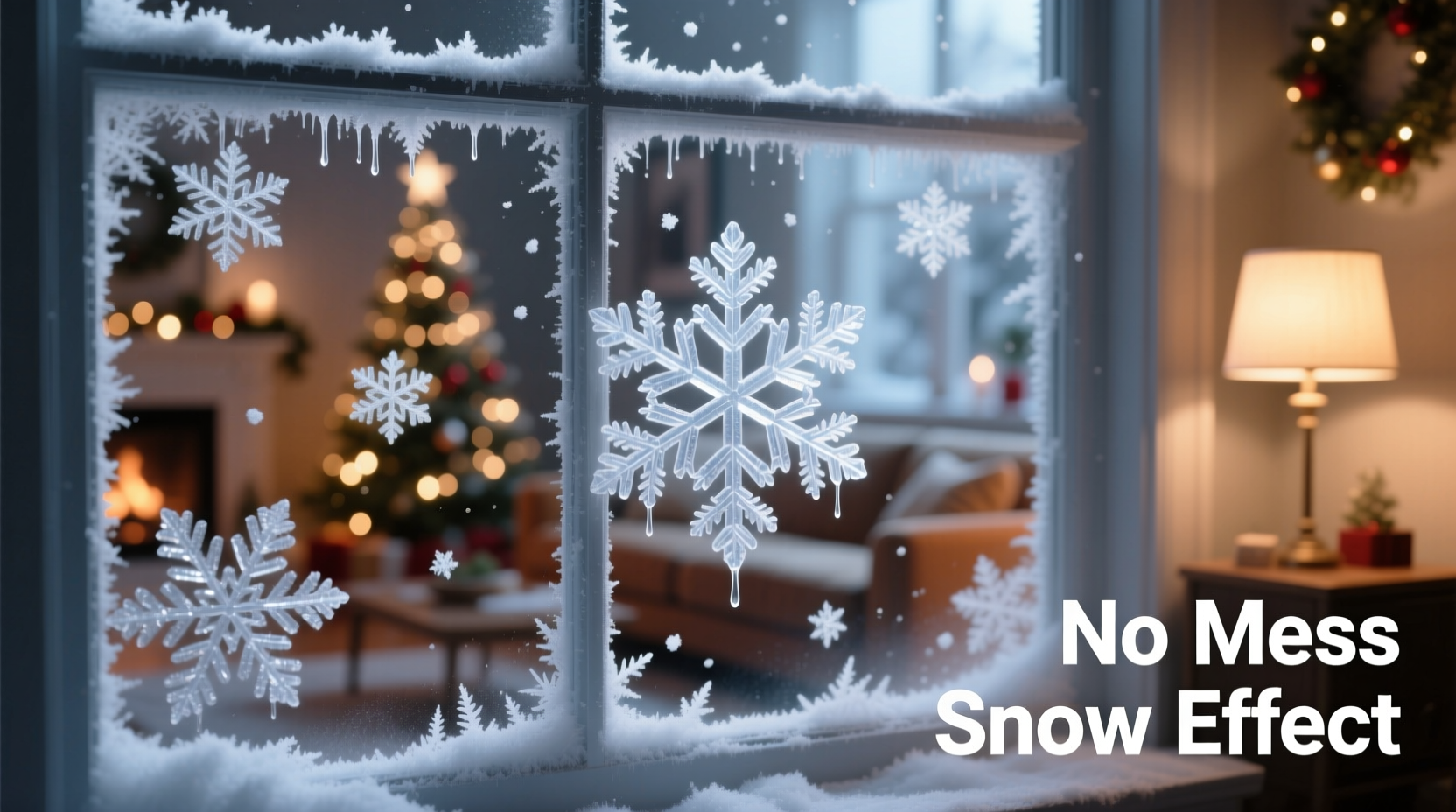
Using actual snow indoors is not only impractical—it melts, drips, and can cause mold or water damage. Even faux snow products like canned snow sprays (popular in the 1980s) leave behind sticky residues, require ventilation due to chemical fumes, and are difficult to remove from glass. Many people also avoid glitter-based solutions because of their tendency to scatter, embed in crevices, and resist cleaning.
The goal is an effect that looks authentic up close but doesn’t compromise hygiene, safety, or ease of removal. A successful no-mess snow simulation should:
- Adhere well to vertical glass surfaces
- Mimic the texture and opacity of real frost or light snow
- Be removable without solvents or scrubbing
- Pose no risk to window seals, frames, or indoor air quality
- Be reusable or easily stored for future use
Best Materials for a Clean, Lasting Snow Effect
Not all snow simulants are created equal. Some leave oily films, others fog glass permanently, and many degrade quickly under indoor lighting. The following materials have been tested across homes, studios, and commercial displays for both visual appeal and removability.
| Material | Realism | Removability | Reusability | Notes |
|---|---|---|---|---|
| Frosted Contact Paper | High | Easy (peel off) | Limited | Ideal for large windows; semi-permanent |
| Static Cling Window Film | Very High | Excellent | Yes | No adhesive; repositionable |
| Cotton Batting (Thinned) | Moderate | Good | Yes | Use sparingly to avoid lint residue |
| Shaving Cream + Cornstarch Mix | High | Fair (requires wiping) | No | Temporary; best for short-term displays |
| White Chalk Spray (Matte Finish) | Moderate | Good (dusts off) | No | Use only in well-ventilated areas |
Among these, static cling film and frosted contact paper stand out for long-term installations due to their zero-residue performance. For temporary setups—such as school plays, photo shoots, or weekend parties—the shaving cream blend offers impressive texture at minimal cost.
Step-by-Step: Applying Static Cling Snow Film
One of the cleanest and most professional-looking methods involves using pre-designed static cling window film that mimics snow-laden panes. These are widely available online in various patterns: light dusting, heavy accumulation, icy crystals, or abstract frost.
- Clean the Glass Surface: Use a vinegar-water solution (1:1) or glass cleaner. Dry thoroughly with a microfiber cloth to prevent trapped moisture.
- Measure and Cut: Unroll the static cling sheet over the window. Measure with a tape measure and mark with a soft pencil or washi tape. Cut with sharp scissors or a utility knife on a cutting mat.
- Peel and Position: Slowly peel the backing from one corner. Align the top edge carefully—misalignment is hard to correct once contact is made.
- Smooth Outward: Starting from the center, press the film onto the glass using a credit card or squeegee wrapped in a soft cloth. Work outward to push air bubbles toward the edges.
- Trim Edges: If needed, trim excess along frames with precision. The film will conform tightly and appear painted on.
- Remove Later: To take down, lift a corner gently and pull slowly at a 180-degree angle. Fold and store flat for reuse next season.
This method produces a flawless, consistent snow effect that lasts for weeks without peeling or clouding. It’s child-safe, requires no tools beyond scissors, and works equally well on mirrors, glass doors, and cabinet fronts.
Diy No-Residue Shaving Cream Technique
For a textured, three-dimensional snow effect—ideal for holiday windows in homes or classrooms—combine shaving cream with cornstarch to create a moldable, non-dripping paste that dries matte white and wipes away cleanly.
Ingredients & Tools
- 1 cup aerosol shaving cream (foam type, not gel)
- 1/2 cup cornstarch
- 5 drops white food coloring (optional, for brightness)
- Spatula or palette knife
- Gloves (optional)
- Spray bottle with water
Application Steps
- Mix ingredients in a bowl until smooth and toothpaste-like. Add more cornstarch if too runny.
- Apply with a spatula, dabbing upward strokes to mimic wind-blown snow drifts.
- Avoid thick layers near the bottom—gravity may cause sagging over time.
- Let dry for 2–4 hours. It will shrink slightly and turn opaque white.
- To remove, lightly spray with water and wipe with a soft cloth. Residue dissolves easily.
This method adds depth and realism unmatched by flat films. When lit from within (e.g., with string lights behind the window), it casts soft shadows resembling real snow buildup.
“Static cling films revolutionized seasonal window displays in retail. They offer gallery-level finish without damaging historic glass or requiring permits.” — Lena Pruitt, Commercial Display Designer
Mini Case Study: Winter Wonderland Café Display
A small café in Burlington, Vermont wanted to create a cozy, snow-covered lodge atmosphere for its December pop-up event. The owners were hesitant to use traditional fake snow due to customer traffic and daily cleaning requirements.
They opted for static cling frost film applied to floor-to-ceiling front windows and interior glass partitions. The design featured asymmetrical snowdrifts and subtle ice crystal patterns. LED fairy lights were placed just behind the glass to enhance the glow.
The result? A photogenic, immersive environment that drew social media attention and increased foot traffic by 37% compared to the previous year. After the event, staff removed all film in under 45 minutes with no residue. The same sheets were reused at a holiday market booth two weeks later.
The owner reported, “We got dozens of compliments on the ‘real snow’—no one believed it wasn’t actual frost. Best of all, we didn’t spend a single hour scrubbing glass.”
Checklist: Preparing Your No-Mess Snow Project
- ☐ Choose your method: static film, DIY paste, or cotton accents
- ☐ Measure all glass surfaces to be treated
- ☐ Purchase or gather materials in advance
- ☐ Clean glass thoroughly with streak-free cleaner
- ☐ Test application on a small area
- ☐ Schedule application when the room is unoccupied (if applicable)
- ☐ Plan for lighting to enhance the snow effect
- ☐ Label storage containers if saving materials for next year
Common Mistakes to Avoid
Even simple projects can go wrong without proper planning. Here are frequent pitfalls and how to sidestep them:
- Applying film on dusty glass: Dust particles trap air and create permanent bubbles. Always clean and dry completely.
- Overloading DIY paste: Thick layers crack or slide. Keep applications under 1/4 inch.
- Using glue-based adhesives: White glue or Mod Podge may yellow or leave haze. Stick to static or water-soluble binders.
- Ignoring humidity: High moisture reduces cling performance. Wait for drier days or use dehumidifiers.
- Forgetting about removal: Always consider how you’ll take it down. If it’s hard to remove, it’s not truly no-mess.
Frequently Asked Questions
Can I use this on car windows?
While technically possible, avoid applying any material to car windows used for driving. Even transparent films can distort vision at night or in rain. Decorative use on parked vehicles for events is acceptable, provided full visibility is restored before operating the vehicle.
Will static cling film damage tinted windows?
No. Static cling relies on molecular attraction, not adhesives. It won’t degrade window tint or interfere with electronic defrosters. However, always remove slowly and avoid metal tools that could scratch the surface.
How do I store static film for reuse?
Fold it loosely with the adhesive side (the cling side) inward and place between sheets of parchment paper in a flat box. Avoid heat, direct sunlight, and tight rolls, which can cause creasing or reduced stickiness.
Final Thoughts and Creative Encouragement
Creating a no mess artificial snow effect on windows and mirrors is more than a decorative shortcut—it’s a thoughtful approach to seasonal joy that respects your time, space, and surfaces. You don’t need complicated tools or toxic chemicals to evoke the quiet magic of a snow-covered morning. With careful material selection and mindful application, you can bring winter indoors safely and beautifully.
Whether you’re crafting a festive dining room mirror, transforming a storefront, or helping kids decorate their bedroom door, these methods empower creativity without consequence. The best decorations aren’t just seen—they’re felt, shared, and remembered, without leaving a trace behind.




 浙公网安备
33010002000092号
浙公网安备
33010002000092号 浙B2-20120091-4
Comments
No comments yet. Why don't you start the discussion?