
Mornings set the tone for the rest of the day. When they begin in chaos—searching for keys, skipping breakfast, or scrambling to get dressed—the stress compounds quickly. A rushed start often leads to reactive decision-making, lower energy, and diminished focus. In contrast, a peaceful morning routine cultivates presence, intention, and resilience. It doesn’t require waking up at 5 a.m. or adopting extreme habits. Instead, it’s about thoughtful preparation, small rituals, and reclaiming time for yourself before responsibilities take over.
The goal isn’t perfection. It’s sustainability. A peaceful morning is one where you feel grounded, not hurried. This kind of routine is built not on doing more, but on doing less with greater awareness. With deliberate planning and consistent adjustments, anyone can design a morning that supports mental clarity, emotional balance, and physical well-being—even with a full schedule.
Why Rush-Free Mornings Matter
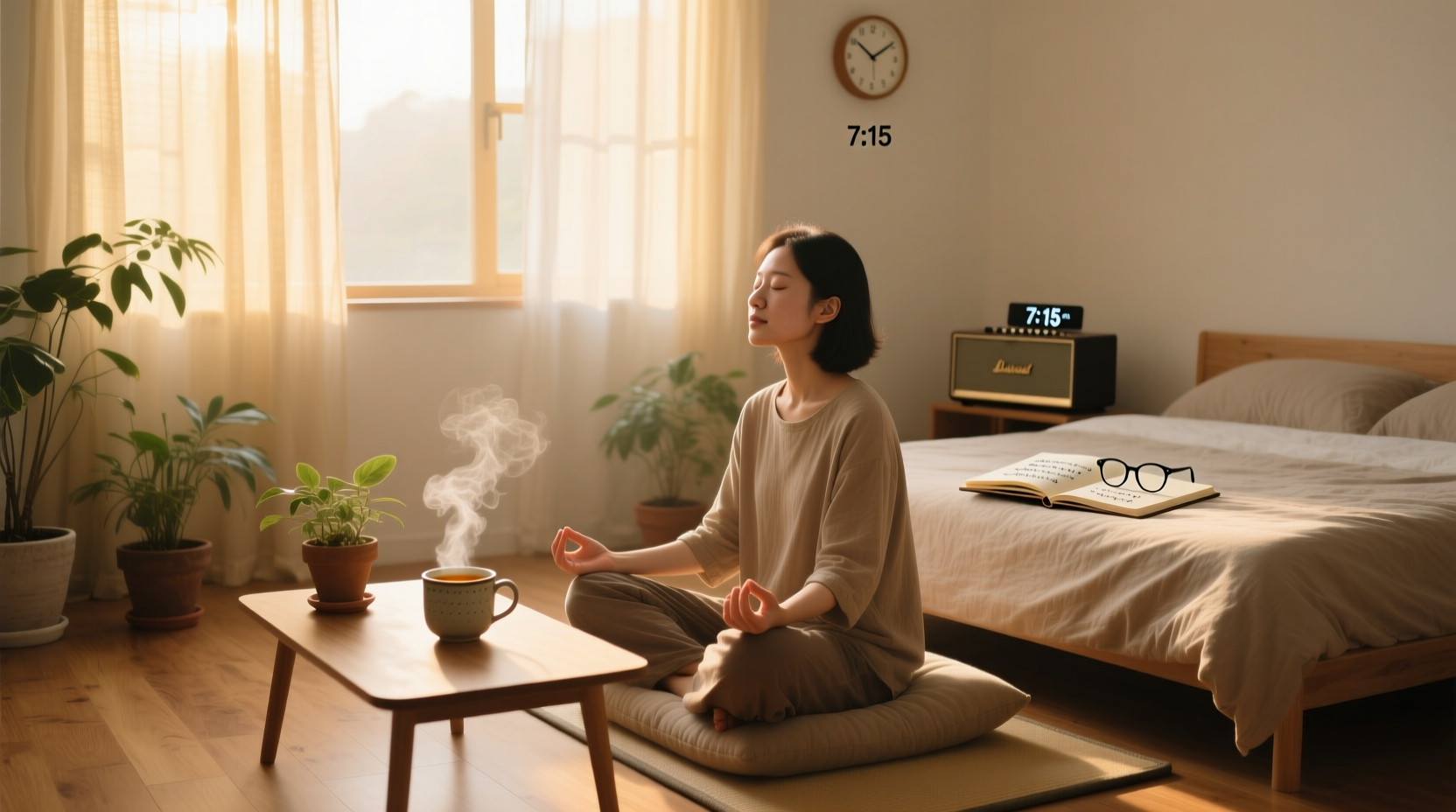
Chronic morning stress activates the body’s fight-or-flight response. Elevated cortisol levels upon waking can impair cognitive function, increase anxiety, and reduce emotional regulation throughout the day. According to Dr. Emily Saunders, a behavioral neuroscientist specializing in circadian rhythms, “The first 90 minutes after waking are critical for setting your physiological and psychological trajectory. Starting calmly allows the nervous system to transition smoothly into wakefulness.”
When mornings are predictable and unhurried, people report higher motivation, better mood, and improved productivity. These benefits aren’t limited to remote workers or retirees—they apply equally to parents, shift workers, and professionals with early meetings. The key lies not in how much time you have, but in how you use it.
“The most effective morning routines aren’t packed with tasks—they’re designed around presence. Even ten minutes of stillness can recalibrate your entire day.” — Dr. Lena Torres, Mindfulness Researcher and Author of *Awake with Intention*
Step-by-Step: Building Your Calm Morning Framework
A peaceful morning doesn’t happen by accident. It requires preparation the night before and a clear structure upon waking. Follow this timeline to gradually build a routine that feels natural and nourishing.
- Evening Preparation (7–9 p.m.): Lay out clothes, pack bags, prepare breakfast ingredients, and silence digital distractions. Reducing decisions in the morning conserves mental energy.
- Nighttime Wind-Down (30–60 min before bed): Dim lights, avoid screens, and engage in low-stimulation activities like reading or light stretching. This supports deeper sleep and easier waking.
- Morning Wake-Up (within 10 min of alarm): Avoid hitting snooze. Place your alarm across the room if needed. Sit up slowly and take three deep breaths before standing.
- Hydration & Light Movement (first 10–15 min): Drink a glass of water. Follow with gentle stretches, a short walk, or five minutes of mindful breathing.
- Nourishment & Reflection (15–30 min): Eat a simple, balanced breakfast. Use this time to journal, meditate, or simply sit in quiet contemplation—no devices allowed.
- Transition into the Day (last 10 min): Review your schedule, set an intention, and leave with composure—not panic.
Essential Habits for a Non-Rushed Start
Peaceful mornings thrive on consistency, not complexity. Focus on integrating a few high-impact habits rather than cramming in multiple practices. The following actions have been shown to significantly improve morning experiences across diverse lifestyles.
- Prepare the night before: Decide what to wear, pack lunches, charge devices, and tidy common areas. This reduces friction in the morning.
- Limit screen exposure: Avoid checking emails or social media for at least 30 minutes after waking. Digital overload triggers stress before the brain is fully alert.
- Create a sensory-friendly environment: Use soft lighting, calming scents (like lavender or sandalwood), and soothing sounds (birdsong, gentle music) to ease into consciousness.
- Eat mindfully: Choose foods that stabilize blood sugar—oats, eggs, fruit, or yogurt. Chew slowly and avoid eating while walking or driving.
- Move intentionally: Gentle movement increases circulation and mental clarity. Try yoga, tai chi, or a five-minute stretch sequence.
Common Pitfalls and How to Avoid Them
Many attempts at creating a peaceful morning fail not due to lack of desire, but because of unrealistic expectations or overlooked obstacles. Recognizing these traps can help you adjust your approach for long-term success.
| Pitfall | Why It Happens | Solution |
|---|---|---|
| Over-scheduling the morning | Trying to do too much too soon leads to burnout. | Start with one or two anchors (e.g., water + breathing) and expand gradually. |
| Waking up too early | Forcing yourself up at 5 a.m. when you need more sleep backfires. | Adjust bedtime instead. Aim to wake naturally within your chronotype. |
| Inconsistent routine | Skipping days breaks momentum and weakens habit formation. | Design a flexible version for busy days (e.g., 5-minute mini-routine). |
| Unrealistic environment | Loud household, noisy neighborhood, or shared space limits options. | Use noise-canceling headphones, earplugs, or adjust timing slightly. |
| Focusing only on productivity | Treating the morning as another task list defeats the purpose. | Emphasize presence over output. Peace is the goal, not efficiency. |
A Real-Life Example: From Chaos to Calm
Sarah, a 38-year-old project manager and mother of two, used to begin her days in survival mode. She’d wake up late, rush the kids through breakfast, forget lunches, and arrive at work feeling frazzled. After weeks of low energy and irritability, she decided to experiment with a simpler morning structure.
She started by preparing everything the night before—packing school bags, laying out outfits, and making smoothie ingredients ready in the fridge. She moved her wake-up time just 20 minutes earlier and used that time to drink tea, write three things she was grateful for, and stretch lightly. On busy mornings, she scaled back to just hydration and one minute of breathing.
Within three weeks, Sarah noticed a shift. She felt less reactive, made fewer mistakes, and even had moments of connection with her children before school. “It wasn’t about adding more,” she said. “It was about taking back a little space for myself. That changed everything.”
Checklist: Your Peaceful Morning Starter Kit
Use this checklist to assess and refine your current routine. Print it or save it digitally for daily reference.
- ✅ Clothes chosen and laid out the night before
- ✅ Breakfast ingredients prepped or planned
- ✅ Devices charged and alarms set
- ✅ To-do list reviewed and prioritized for the next day
- ✅ Alarm placed away from bed (if needed)
- ✅ Water glass filled and placed bedside
- ✅ First 10 minutes free of screens
- ✅ One grounding practice included (breathing, stretching, journaling)
- ✅ Intention set for the day (verbally or in writing)
- ✅ Exit time confirmed and respected
FAQ: Common Questions About Peaceful Mornings
What if I don’t have enough time?
Even two minutes can make a difference. Focus on one anchor habit—drinking water, three deep breaths, or stepping outside for fresh air. Over time, small moments accumulate into meaningful change. You can also reclaim time by adjusting bedtime slightly earlier, which often improves overall energy and reduces morning sluggishness.
How do I stick to the routine on busy days?
Design a “minimum viable routine” for high-pressure mornings. For example: wake up, drink water, take five conscious breaths, eat a piece of fruit, and leave with intention. The goal isn’t perfection—it’s maintaining continuity. Consistency builds confidence, even when scaled down.
Can I still have a peaceful morning if I work nights or shifts?
Absolutely. The principles apply regardless of your schedule. Define your “morning” as the period after your primary sleep. Whether it’s 2 p.m. or 6 a.m., prioritize hydration, gentle movement, and a screen-free transition into activity. Tailor the environment—use blackout curtains and white noise if needed—to support calm awakening.
Conclusion: Begin Again, Gently
Creating a peaceful morning routine isn’t about achieving flawless execution every day. It’s about cultivating a relationship with your time, your body, and your intentions. Some days will be smoother than others. That’s normal. What matters is the commitment to starting with awareness rather than reaction.
You don’t need hours of solitude or a perfectly quiet home. You need only the willingness to pause, breathe, and choose one small act of care before the world demands your attention. Over time, these choices compound into greater resilience, focus, and inner peace.
Begin where you are. Use what you have. Do what you can. Tomorrow morning, try one thing differently—and notice how it changes the shape of your day.




 浙公网安备
33010002000092号
浙公网安备
33010002000092号 浙B2-20120091-4
Comments
No comments yet. Why don't you start the discussion?