
A bedroom should be more than just a place to sleep—it should be a sanctuary. Yet many people overlook the psychological and physiological impact of their sleeping environment. A cluttered, noisy, or overly bright room can disrupt rest, elevate stress, and diminish overall well-being. The good news? You don’t need a renovation or luxury upgrades to transform your bedroom into a peaceful retreat. With thoughtful adjustments and smart use of affordable resources, you can cultivate a calming atmosphere that supports relaxation and deep, restorative sleep—all without overspending.
Choose Soothing Colors Strategically
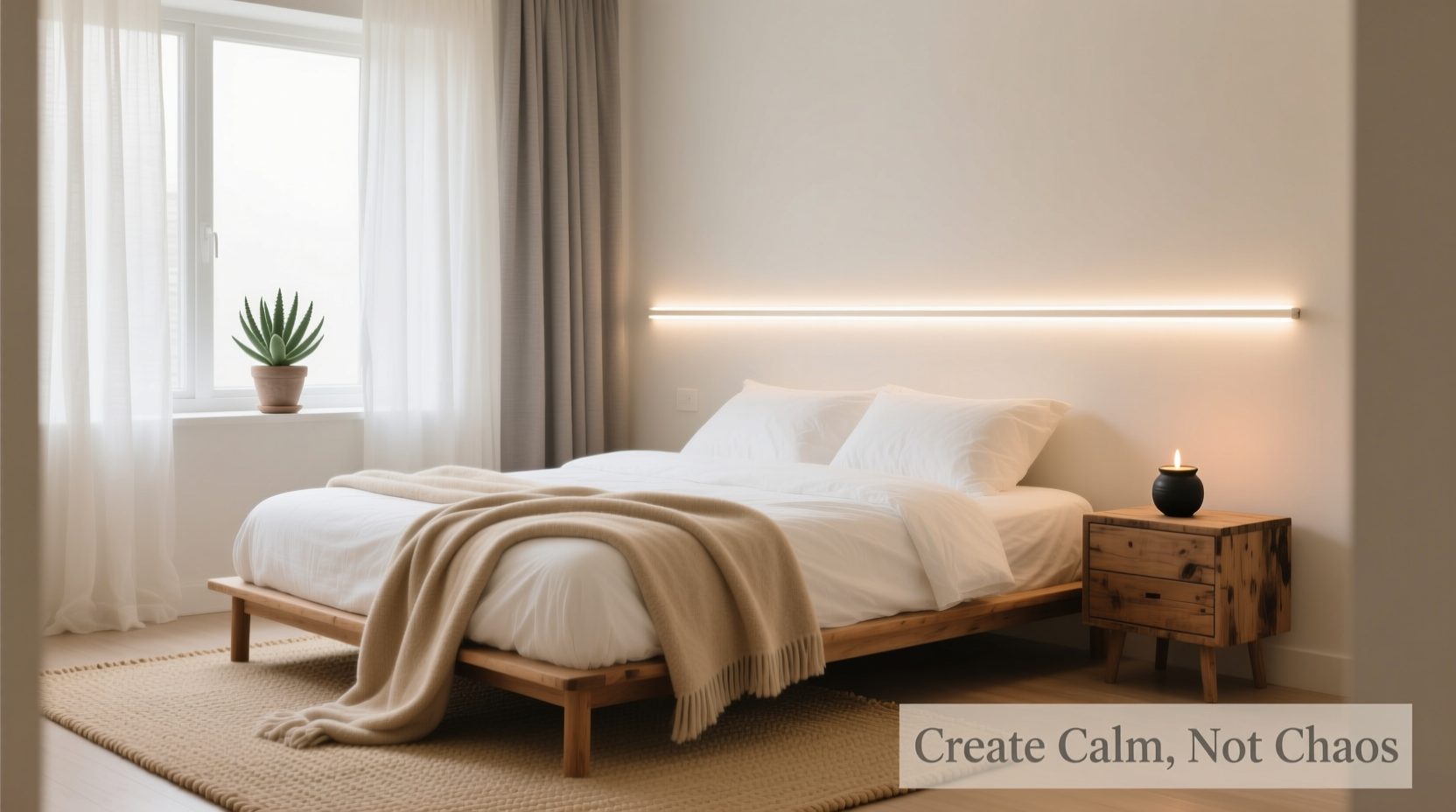
Color psychology plays a powerful role in mood regulation. Cool tones like soft blues, muted greens, warm grays, and neutral beiges are scientifically linked to reduced heart rate and lower anxiety levels. These shades mimic natural environments—think calm waters, forest canopies, and stone surfaces—which our brains instinctively associate with safety and tranquility.
Instead of repainting walls, which can be costly and time-consuming, consider low-cost alternatives:
- Swap out bright or bold bedding for linens in calming hues.
- Use removable wallpaper or wall decals to introduce texture and tone on a single accent wall.
- Add throw pillows, blankets, or curtains in complementary earthy tones.
Optimize Lighting for Evening Calm
Bright overhead lights signal alertness to the brain, disrupting melatonin production—the hormone responsible for sleep. To foster relaxation, shift toward layered, warm-toned lighting.
Replace harsh white bulbs (over 5000K) with warm white options (2700K–3000K). These emit a soft, amber glow similar to candlelight or sunset, easing the transition from wakefulness to rest.
You don’t need expensive fixtures. Simple swaps make a dramatic difference:
- Use dimmable LED bulbs in existing lamps.
- Add a $10 salt lamp or string fairy lights around mirrors or headboards for ambient glow.
- Place small table lamps on nightstands instead of relying on ceiling lights.
“Lighting is one of the most underutilized tools in sleep hygiene. Even minor reductions in brightness an hour before bed can significantly improve sleep onset.” — Dr. Lena Patel, Sleep Behavior Researcher, Stanford Medicine
Step-by-Step Guide: Transition Your Lighting in One Evening
- Unscrew current bulbs and check wattage compatibility.
- Purchase two warm white LED bulbs (preferably dimmable).
- Install them in bedside or floor lamps.
- Set a phone reminder to turn off overhead lights by 8 PM.
- Begin reading or journaling under the softer light for 20–30 minutes nightly.
Declutter and Simplify the Space
Visual clutter increases cognitive load. A study from Princeton University found that disorganized environments compete for attention, making it harder to relax and focus. In the bedroom, this translates to mental restlessness and delayed sleep.
Start with a 15-minute daily declutter. Focus on high-visibility areas: nightstands, dressers, and the floor near the bed. Remove items that don’t belong—laundry, electronics, work materials—and designate storage solutions using what you already own.
| Area | Quick Fix | Budget Cost |
|---|---|---|
| Nightstand | Keep only lamp, book, water glass | $0 |
| Floor | Use a woven basket for clothes or shoes | $8–$15 |
| Dresser | Store extra items in drawers; display one decorative object | $0 |
| Closet | Use shoe boxes as drawer dividers | $0 |
Incorporate Natural Elements and Textures
Biophilic design—the practice of connecting interiors with nature—has been shown to reduce stress and improve mood. You don’t need a garden view or indoor waterfall. Small, intentional touches bring the calming essence of the outdoors inside.
Introduce natural materials through affordable textiles and decor:
- Choose cotton, linen, or bamboo bedding over synthetic fabrics.
- Add a jute or seagrass rug under the bed for organic texture.
- Place a small potted plant like a snake plant or pothos on a windowsill. These require minimal care and purify air.
- Use wood-framed mirrors or shelves instead of plastic or metal.
If pets or allergies prevent live plants, opt for high-quality botanical prints or framed pressed leaves. Even visual cues of nature trigger psychological relaxation.
Mini Case Study: Maria’s Budget Bedroom Revamp
Maria, a freelance graphic designer in Portland, struggled with insomnia and late-night screen use. Her bedroom had bright red walls, a glowing TV, and piles of laundry in the corner. After reading about sleep-friendly spaces, she made gradual changes over three weeks:
- She covered the red accent wall with a large tapestry featuring a forest scene ($12).
- Swapped her LED overhead bulb for a warm desk lamp ($7).
- Placed a dollar-store succulent on her nightstand and committed to watering it weekly—a mindfulness ritual.
- Used old mason jars to store hair accessories and cords.
Within a month, Maria reported falling asleep 20 minutes faster and waking less during the night. “It feels like my room finally respects my need to rest,” she said. “I even leave my phone in the kitchen now.”
Control Sound and Silence
Noise pollution—even subtle sounds like HVAC hums or street traffic—can fragment sleep cycles. While soundproofing panels or double-glazed windows are effective, they’re not budget-friendly. Instead, use masking techniques to create auditory privacy.
A white noise machine is ideal, but a smartphone app or YouTube video works just as well. Play it through a basic Bluetooth speaker or old radio with auxiliary input. Alternatively, try fan noise, rainfall recordings, or brown noise, which many find more soothing than standard white noise.
If silence is preferred, inexpensive foam earplugs (under $5) can dramatically improve sleep quality. For shared walls, hang thick curtains or a quilt over the noisiest wall to absorb sound.
Checklist: 10 Budget-Friendly Actions to Create a Calming Bedroom
Implement these steps over a weekend or spread them across a week:
- Remove all electronics not essential to sleep (TVs, laptops, chargers).
- Wash and replace bedding with neutral, soft-colored linens.
- Install warm white bulbs in all lamps.
- Clear nightstand of non-essentials.
- Add one low-maintenance plant or natural element.
- Use a shelf or box to organize loose items.
- Play calming sounds or white noise at bedtime.
- Hang sheer curtains to diffuse harsh daylight.
- Introduce a single piece of meaningful artwork or photo.
- Establish a nightly routine: read, stretch, or breathe quietly under soft light.
Common Mistakes to Avoid
Even with good intentions, certain habits undermine a relaxing bedroom:
- Using the bed for work or browsing: This conditions your brain to associate the bed with activity, not rest.
- Over-accessorizing: Too many pillows, trinkets, or lights create visual chaos.
- Ignoring airflow: Stale air feels heavy. Open a window briefly each day or use a small fan for circulation.
- Choosing scent too strongly: Overpowering candles or sprays can irritate sinuses. Opt for subtle essential oil diffusers or linen mists.
“The most peaceful bedrooms aren’t the most decorated—they’re the ones that feel intentional. Every object has a purpose, and every choice supports rest.” — Naomi Chen, Interior Designer & Wellness Space Consultant
Frequently Asked Questions
Can I create a relaxing bedroom without spending any money?
Absolutely. Begin by decluttering, rearranging furniture for better flow, switching light bulbs, and removing distractions like TVs or work materials. Use items you already own—like blankets, books, or photos—to personalize the space. Mindset shifts, such as reserving the bed solely for sleep and intimacy, also cost nothing but yield significant results.
What if I share the bedroom with a partner who likes bright lights?
Compromise is key. Use individual bedside lamps with adjustable shades so each person controls their own light. Consider wearing a soft sleep mask if necessary. Discuss establishing a “dimming hour” 60 minutes before bed when both agree to lower lighting and reduce screen use. Shared routines often strengthen relationships while improving sleep.
Are scents really effective for relaxation?
Yes, when used appropriately. Lavender, chamomile, sandalwood, and bergamot have research-backed calming effects. However, strong fragrances can cause headaches or allergies. Use lightly: a single drop of essential oil on a cotton ball placed near the bed, or a spray made with water and 3–5 drops of oil misted onto pillowcases. Always test first and avoid direct skin contact.
Final Thoughts: Peace Begins Where You Rest
Your bedroom doesn’t need to resemble a spa or appear in a magazine to be restorative. True relaxation comes from consistency, intention, and attention to sensory details. By adjusting light, color, sound, and clutter with mindful, budget-conscious choices, you create an environment that signals safety and stillness to your nervous system.
Start small. Pick one change from this guide—swap a bulb, clear a nightstand, add a plant—and build from there. Within weeks, your bedroom can become a haven that not only improves sleep but also nurtures emotional balance and daily resilience.




 浙公网安备
33010002000092号
浙公网安备
33010002000092号 浙B2-20120091-4
Comments
No comments yet. Why don't you start the discussion?