
In an age dominated by digital devices, the glow of screens has become a constant companion from morning until bedtime. Yet, research consistently shows that exposure to blue light in the evening disrupts melatonin production, interferes with sleep quality, and heightens mental fatigue. Creating a screen-free evening routine isn't just a nostalgic idea—it's a practical strategy for restoring balance, calming the nervous system, and preparing both mind and body for restorative sleep. The key lies not in elimination alone, but in thoughtful replacement: swapping passive scrolling for intentional, sensory-rich activities that signal safety, closure, and relaxation.
Why Screen-Free Evenings Matter
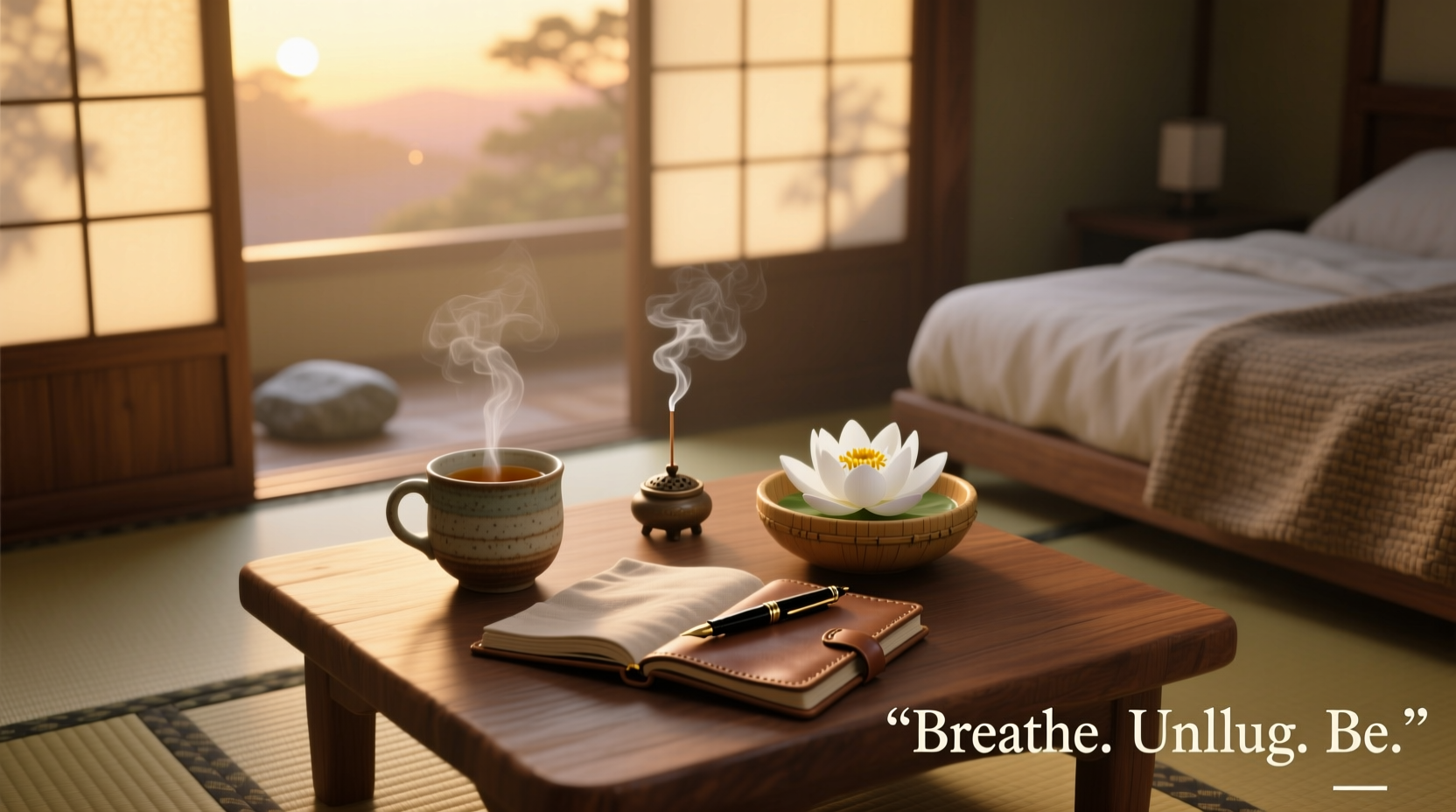
The human brain evolved to respond to environmental cues—especially light—to regulate circadian rhythms. Artificial light, particularly the blue spectrum emitted by smartphones, tablets, and televisions, tricks the brain into thinking it’s still daytime. This delays the release of melatonin, the hormone responsible for initiating sleep, often pushing bedtime later and reducing sleep efficiency.
Beyond physiological impacts, constant digital stimulation keeps the mind in a state of hyperarousal. Notifications, social comparisons, and information overload contribute to cognitive clutter, making it harder to unwind. A screen-free evening creates space for mental decompression, allowing thoughts to settle and emotions to regulate naturally.
“Disconnecting from screens one hour before bed is one of the most effective habits for improving sleep onset and overall sleep architecture.” — Dr. Lena Patel, Sleep Neurologist at the Center for Circadian Health
Step-by-Step Guide to Building Your Screen-Free Routine
Transitioning to a screen-free evening doesn’t require drastic changes overnight. Instead, build your routine gradually, focusing on consistency and personal enjoyment. Follow this six-step process to design a sustainable, soothing wind-down ritual.
- Set a digital curfew: Choose a fixed time—ideally 60 to 90 minutes before bed—to power down all screens. Use a physical alarm clock to avoid relying on your phone.
- Create a transition ritual: Signal the shift from active mode to rest mode with a simple action like changing into comfortable clothes, lighting a candle, or brewing herbal tea.
- Engage the senses: Incorporate tactile, olfactory, and auditory experiences—such as journaling, stretching, or listening to soft music—to ground your awareness in the present.
- Declutter your environment: Tidy up your living space briefly. A clean, calm environment supports a calm mind.
- Practice reflective or creative activities: Replace passive consumption with active engagement, such as reading, drawing, or gratitude journaling.
- Prepare for tomorrow: Lay out clothes, pack lunches, or jot down top priorities. Reducing morning decisions eases next-day stress.
Ideas for Screen-Free Evening Activities
The success of a screen-free routine depends on replacing digital habits with fulfilling alternatives. Choose activities that resonate with your personality and energy level at the end of the day. Here are several evidence-backed options:
- Reading physical books or magazines: Reading fiction has been shown to reduce stress levels by up to 68% (University of Sussex, 2009). Opt for light, uplifting material rather than stimulating thrillers.
- Journaling: Write about your day, express gratitude, or explore creative writing. This helps process emotions and clears mental clutter.
- Gentle movement: Practice restorative yoga, tai chi, or a slow walk around the block. These activities promote circulation and relaxation without overstimulation.
- Listening to analog audio: Play vinyl records, cassette tapes, or use a dedicated music player (not connected to the internet) to enjoy calming playlists or audiobooks.
- Crafting or creative hobbies: Knitting, sketching, puzzles, or model building engage the hands and focus the mind in a meditative way.
- Meditation or breathwork: Try a 10-minute guided body scan or practice box breathing (inhale 4 seconds, hold 4, exhale 4, hold 4).
- Sipping warm beverages: Herbal teas like chamomile, passionflower, or valerian root have mild sedative properties and support relaxation.
Real-Life Example: Sarah’s Transformation
Sarah, a 34-year-old graphic designer, used to spend her evenings scrolling through social media and watching TV until she fell asleep on the couch. She frequently woke up feeling groggy and anxious. After learning about blue light’s impact, she decided to experiment with a screen-free hour before bed.
She began by setting her digital curfew at 8:30 PM. At first, she felt restless and reached for her phone out of habit. But within a week, she replaced screen time with reading novels and brewing lavender tea. She added a short journaling session where she listed three things she appreciated each day. Within two weeks, she noticed she was falling asleep faster and waking up more refreshed. “It felt strange at first,” she said, “but now I look forward to that quiet time. It’s mine—no demands, no distractions.”
Common Challenges and How to Overcome Them
Adopting a screen-free evening isn’t always easy, especially when digital devices are woven into daily life. Below are common obstacles and practical solutions.
| Challenge | Solution |
|---|---|
| Fear of missing out (FOMO) on messages or updates | Inform close contacts of your new routine. Use auto-replies if needed. Remind yourself that urgent matters will find you; most won’t. |
| Boredom or restlessness | Rotate a list of engaging offline activities. Keep a basket of books, journals, and crafts visible and accessible. |
| Work-related screen use late in the day | Set a hard stop for work tasks. If necessary, use blue light filters and dim screen brightness after 7 PM as a transitional step. |
| Partner or family members still using screens | Lead by example. Invite them to join you occasionally. Create shared rituals like board games or stargazing. |
| Difficulty winding down due to anxiety | Incorporate mindfulness practices. Try progressive muscle relaxation or write down worries in a “worry log” to contain them. |
Checklist: Building Your Ideal Evening Routine
Use this checklist to design and maintain a personalized, screen-free evening ritual. Review it weekly to refine what works best for you.
- ☑ Set a consistent digital curfew (e.g., 8:30 PM)
- ☑ Turn off Wi-Fi or enable airplane mode on devices
- ☑ Prepare a cozy environment (dim lights, comfortable seating)
- ☑ Choose 2–3 preferred screen-free activities (e.g., read, stretch, journal)
- ☑ Brew a caffeine-free herbal tea
- ☑ Spend 5–10 minutes tidying up or preparing for the next day
- ☑ Practice deep breathing or meditation
- ☑ Go to bed at a consistent time
- ☑ Reflect weekly: Did this routine help me feel calmer? What should I adjust?
Do’s and Don’ts of Screen-Free Evenings
| Do’s | Don’ts |
|---|---|
| Use warm, dim lighting (e.g., salt lamps, candles) | Avoid bright overhead lights or LED bulbs |
| Engage in low-stimulus activities | Watch intense movies or news programs |
| Keep phones in another room | Bring devices into the bedroom |
| Wear loose, comfortable clothing | Stay in daytime clothes that carry stress associations |
| Practice gratitude or reflection | Ruminate on problems or unresolved issues |
“The most powerful part of a screen-free evening isn’t just avoiding technology—it’s reclaiming presence. That presence becomes the foundation for deeper sleep and clearer mornings.” — Rafael Kim, Mindfulness Coach and Author of *Evening Stillness*
Frequently Asked Questions
Can I use e-readers like Kindle in my screen-free routine?
Basic e-ink Kindles (without backlight or with warm light settings) emit minimal blue light and are generally acceptable for evening reading. However, avoid models with front lighting similar to tablets. For optimal relaxation, a physical book provides a stronger psychological separation from digital spaces.
What if I need my phone as an alarm?
Invest in a standalone alarm clock. If you must use your phone, place it across the room, turn on airplane mode, and avoid checking it upon waking. This reduces temptation and prevents accidental screen exposure.
How long does it take to adjust to a screen-free evening?
Most people notice improvements in sleep quality within 5–7 days. Full adaptation—where the routine feels natural and enjoyable—typically takes 3–4 weeks. Be patient and focus on progress, not perfection.
Conclusion: Reclaim Your Evenings, Restore Your Rest
A screen-free evening is more than a habit—it’s an act of self-respect. In choosing to disengage from digital noise, you make space for silence, reflection, and connection. You give your nervous system permission to slow down, your mind room to breathe, and your body the signals it needs to prepare for deep, restorative sleep. The benefits extend far beyond better rest: reduced anxiety, improved mood, and greater presence in daily life. Start tonight. Choose one small change—turn off your phone 20 minutes earlier, brew a cup of tea, open a book. Let that moment be the beginning of a calmer, more intentional way of living.




 浙公网安备
33010002000092号
浙公网安备
33010002000092号 浙B2-20120091-4
Comments
No comments yet. Why don't you start the discussion?