
The scent of a real Christmas tree is one of the most cherished elements of the holiday season. But what if you could enhance that aroma—naturally—without synthetic sprays or electric diffusers? By transforming your Christmas tree stand into a passive, water-based scent diffuser, you can amplify the festive atmosphere while keeping your home free from artificial chemicals. This method leverages the water already in the stand, turning it into a slow-releasing aromatic reservoir that complements the piney freshness of your tree.
This guide walks through the science, materials, and methods behind creating an all-natural scent infusion directly within your tree stand. From selecting the right botanicals to maintaining safety and longevity, you’ll learn how to turn a functional necessity into a seasonal sensory experience.
Why Use Your Tree Stand as a Scent Diffuser?
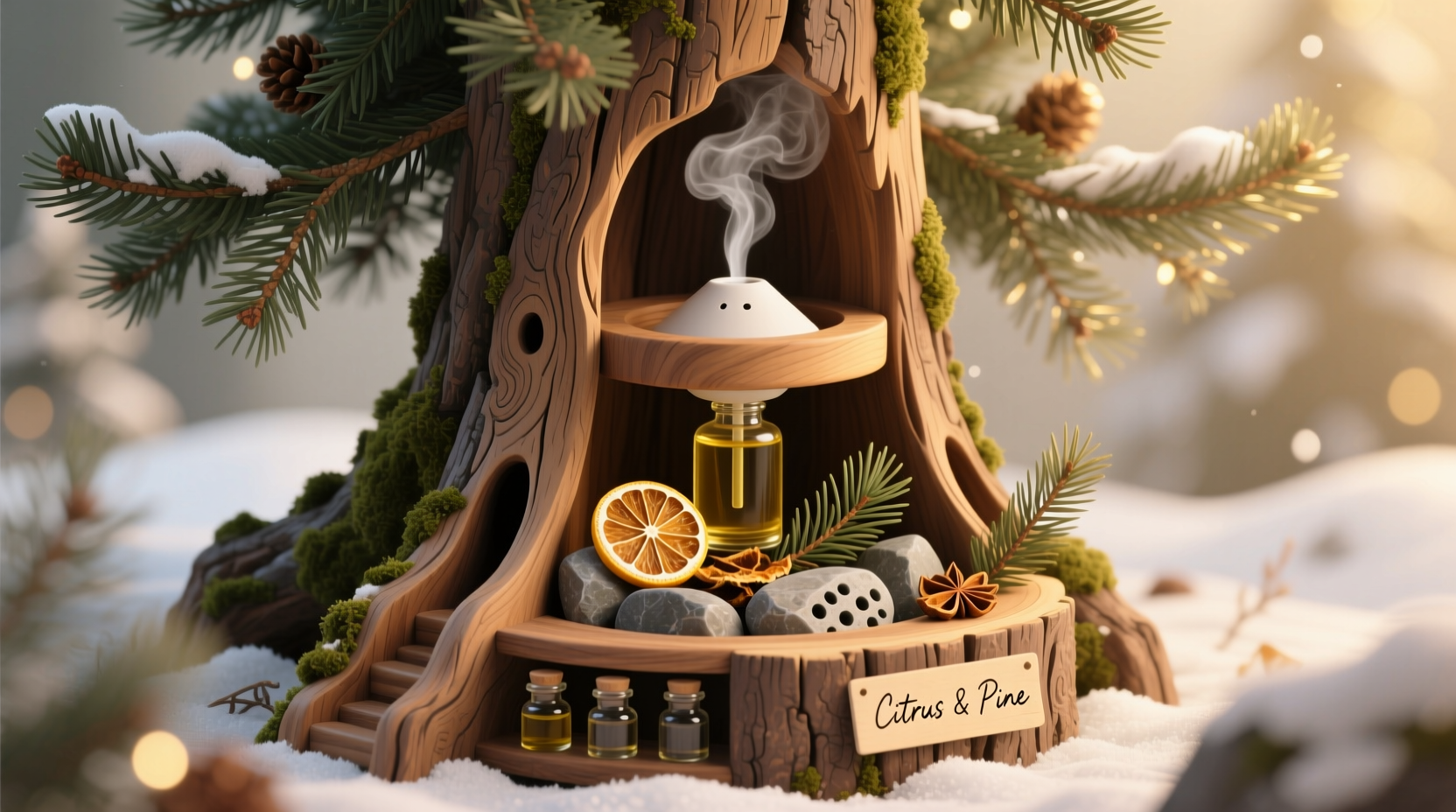
Your Christmas tree stand isn’t just a holder—it’s a reservoir designed to keep your tree hydrated. Since most stands hold between one and four gallons of water, they offer a stable, long-lasting medium for dispersing natural fragrances. As the water evaporates over several weeks, any added essential oils or plant materials slowly release their volatile compounds into the air.
Unlike plug-in diffusers or candles, this method operates passively, requiring no electricity or open flames. It also avoids overpowering scents because the diffusion rate is controlled by ambient temperature and airflow. Most importantly, it integrates seamlessly with your existing setup—no extra devices cluttering your space.
Choosing Natural Aromatic Ingredients
Not all scents are safe or effective when introduced into a tree stand. The goal is to use ingredients that are non-toxic, biodegradable, and compatible with wood and water systems. Here are the best categories of natural aromatics:
- Citrus peels – Orange, lemon, and grapefruit rinds add brightness and help neutralize musty odors.
- Whole spices – Cinnamon sticks, whole cloves, and star anise provide warm, nostalgic notes associated with holiday baking.
- Fresh herbs – Rosemary, thyme, or sage complement pine with earthy depth.
- Essential oils (sparingly) – Pure conifer, orange, clove, or cinnamon oil can boost aroma but should be used in very small quantities.
Avoid using food scraps that spoil quickly—like apple slices or onions—as they can promote mold. Also steer clear of synthetic fragrance oils, which may contain phthalates and other irritants.
“Natural scent diffusion works best when aligned with evaporation patterns. The slower the release, the more balanced and pleasant the fragrance.” — Dr. Lena Torres, Environmental Aromatics Researcher, Green Home Institute
Step-by-Step Guide to Creating Your Natural Scent Diffuser
Follow this timeline-based approach to set up and maintain your tree stand diffuser throughout the holiday season.
- Day 1: Prepare the Base Water
Fill the stand with 1–2 gallons of distilled water. If tap water is your only option, let it sit uncovered for 24 hours to allow chlorine to dissipate. - Day 1: Add Botanical Enhancers
Drop in 3–4 orange peels (peeled fresh), 2 cinnamon sticks, 6–8 whole cloves, and a 3-inch sprig of rosemary. These will begin releasing scent immediately and continue for up to three weeks. - Optional: Add Essential Oils (Use Caution)
If desired, add 5–8 drops total of essential oil. Recommended blends:- 4 drops sweet orange + 2 drops clove + 1 drop cinnamon
- 5 drops fir needle or pine oil (to intensify the tree’s natural scent)
- Weekly Maintenance (Every 7 Days)
Check water levels and top off as needed. Remove any discolored or slimy botanicals and replace them with fresh ones. Stir gently to redistribute oils. - Final Week: Reset or Remove
If the water begins to smell sour or cloudy, drain and refill the stand with fresh water and new ingredients. Alternatively, discontinue additions during the last week to prepare for tree removal.
Do’s and Don’ts: A Quick Reference Table
| Do | Don't |
|---|---|
| Use organic citrus peels (washed thoroughly) | Use rotting fruit or vegetables |
| Add whole spices like cinnamon and cloves | Grind spices—they cloud the water and decompose faster |
| Use pure, therapeutic-grade essential oils sparingly | Pour fragrance oils or perfumes into the water |
| Refresh botanicals weekly | Let debris sit longer than 10 days |
| Stir water gently to mix oils and oxygenate | Use metal utensils that could scratch the stand |
Real Example: The Johnson Family’s Fragrant Tree Tradition
The Johnsons in Portland, Oregon, began using their tree stand as a scent diffuser after switching to an artificial tree and missing the traditional pine aroma. They experimented with different combinations and settled on a blend of dried orange slices, cinnamon sticks, and a few drops of Douglas fir essential oil.
“We put everything in a muslin bag so we wouldn’t have to fish out loose cloves every time we refilled,” says Sarah Johnson. “Now, our living room smells like a holiday market without any candles or diffusers running. Our dog even seems calmer around it—no more sniffing at electric units.”
After five seasons, they’ve refined their formula: 6 orange halves (dried), 3 cinnamon sticks, 10 cloves, and 6 drops of balsam fir oil per gallon. They report that the scent lasts the full month they keep the tree up, fading gently rather than abruptly.
Maximizing Safety and Effectiveness
Safety is paramount when modifying your tree stand. While natural ingredients are generally safe, improper use can lead to bacterial growth, pet toxicity, or damage to flooring.
Keep these guidelines in mind:
- Pets and children: Cloves and essential oils can be toxic if ingested. Ensure the stand is stable and covered with a guard if necessary.
- Water hygiene: Change the water completely if it develops an odor or film. Stagnant water can breed bacteria and attract gnats.
- Floor protection: Even sealed stands can leak. Place a waterproof tray underneath to protect hardwood or carpet.
- Tree health: Do not substitute scented water for proper tree care solutions. The primary purpose of the stand is hydration, not fragrance.
Frequently Asked Questions
Can I use this method with an artificial tree?
Absolutely. Artificial trees lack natural scent, making them ideal candidates for scent infusion. Just ensure the stand is clean and free of dust before adding water and botanicals.
Will essential oils harm my real tree’s ability to absorb water?
In small amounts (under 10 drops per gallon), essential oils do not interfere with water uptake. However, excessive oil can form a surface film that reduces evaporation and may slightly hinder capillary action. Stick to conservative dosing.
How long do the scents last?
With weekly maintenance, the aromatic effect can last 3–4 weeks. Citrus fades fastest (1–2 weeks), while cinnamon and cloves can remain detectable for up to a month. Replenish ingredients as needed.
Expert Insight: The Science of Slow Evaporation
“The principle behind this method is passive volatilization. As water evaporates, it carries trace aromatic molecules into the air. Because indoor humidity fluctuates, scent release is naturally modulated—stronger on dry days, subtler when damp. This creates a dynamic, responsive fragrance profile unlike constant-output diffusers.” — Dr. Marcus Lin, Atmospheric Chemist, University of Vermont
This natural modulation means your home won’t be overwhelmed by scent, especially important in smaller spaces or for individuals sensitive to strong smells.
Checklist: Your Natural Tree Stand Diffuser Setup
Before you begin, gather these items and follow this checklist:
- ✅ Clean Christmas tree stand (empty and rinsed)
- ✅ Distilled or dechlorinated water (1–2 gallons)
- ✅ Organic oranges (for peels) or pre-dried slices
- ✅ Whole cinnamon sticks (2–3)
- ✅ Whole cloves (6–10)
- ✅ Fresh rosemary or thyme sprig (optional)
- ✅ Therapeutic-grade essential oils (optional; max 10 drops/gallon)
- ✅ Cheesecloth or reusable tea bag (for easy removal)
- ✅ Weekly reminder to check water and refresh ingredients
Conclusion: Turn Function Into Fragrance
Your Christmas tree stand does more than keep your tree upright—it can become a centerpiece of seasonal ambiance. By introducing natural, aromatic elements into the water reservoir, you transform a utilitarian object into a subtle, eco-friendly diffuser that enhances the spirit of the holidays.
This method respects tradition while embracing modern wellness values: no plastics, no electricity, no synthetic fragrances. It’s simple, sustainable, and surprisingly effective. Whether you’re reviving the scent of a real tree or bringing life to an artificial one, this technique adds a layer of warmth that lingers in memory long after the ornaments are packed away.




 浙公网安备
33010002000092号
浙公网安备
33010002000092号 浙B2-20120091-4
Comments
No comments yet. Why don't you start the discussion?