
The holidays are as much about smell as they are about sight. The crisp pine of the Christmas tree, the warmth of cinnamon in mulled wine, the sweetness of vanilla in freshly baked cookies—these scents shape our memories and elevate seasonal joy. While store-bought ornaments dazzle with glitter and color, few engage the sense of smell. Creating a scent diffusing Christmas tree decoration allows you to merge visual charm with olfactory delight. These handmade ornaments release subtle, natural fragrances that enhance your holiday atmosphere without synthetic sprays or plug-ins. Best of all, they’re simple to make, customizable, and eco-friendly.
Why Scented Ornaments Enhance Your Holiday Experience
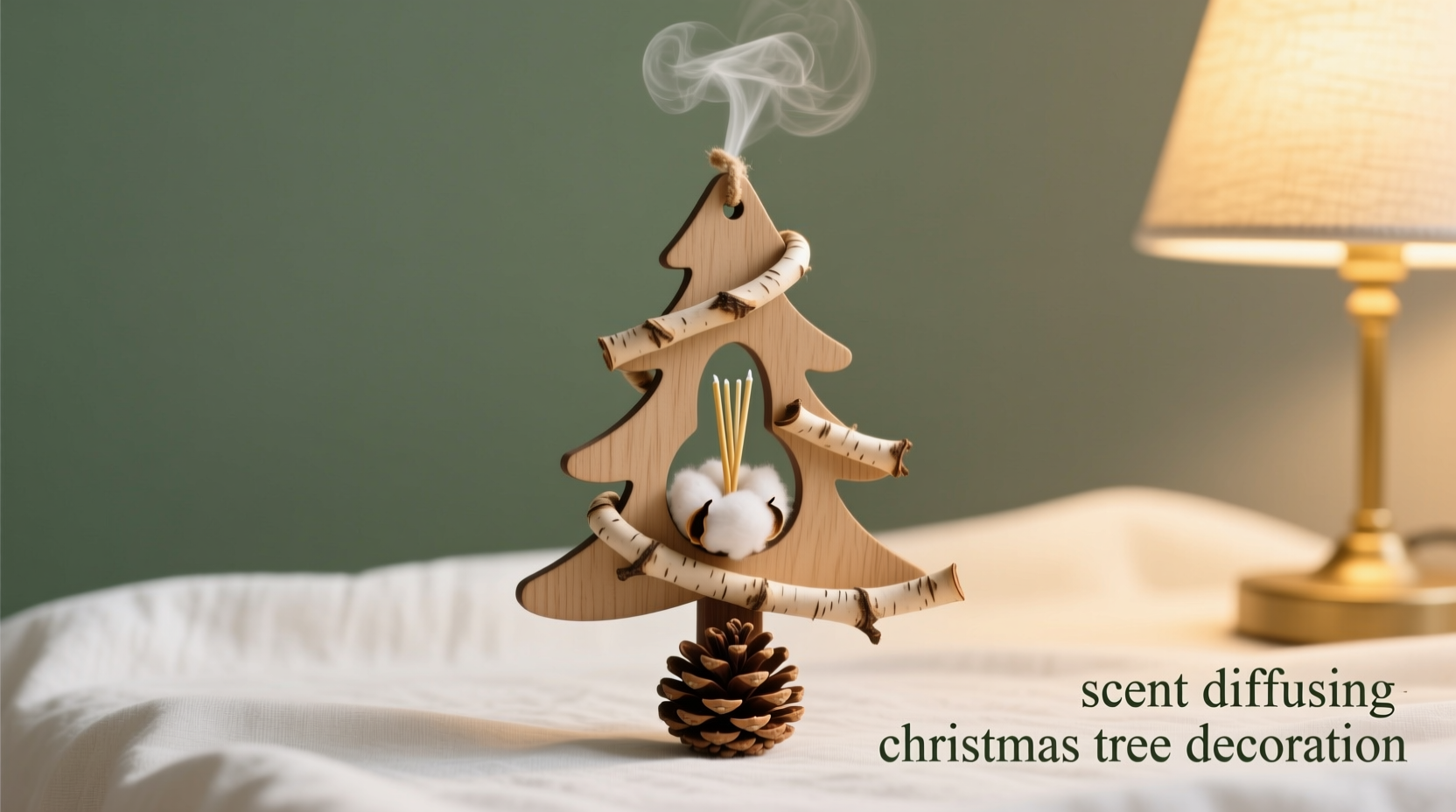
Aromatherapy isn’t limited to diffusers and candles. Incorporating fragrance into your decor can transform your space into a multi-sensory retreat. Studies have shown that certain scents, like citrus and pine, can boost mood and reduce stress—qualities especially valuable during the busy holiday season. A scent diffusing ornament brings these benefits directly to your tree, where it’s seen and smelled daily.
Unlike overpowering air fresheners, these decorations emit a gentle aroma that blends naturally with the tree’s own fragrance. They also serve as meaningful gifts or heirloom pieces when made with care. By choosing natural materials like wood slices, felt, or dried citrus, you avoid plastic waste and support sustainable traditions.
“Scent is one of the most powerful triggers of memory and emotion. Integrating fragrance into holiday decor deepens the emotional resonance of the season.” — Dr. Lydia Chen, Environmental Psychologist
Materials You’ll Need for DIY Scent Diffusing Decorations
Creating a scent diffusing ornament doesn’t require specialized tools or expensive supplies. Most materials can be found at home or purchased affordably from craft stores. Below is a comprehensive list of components categorized by function.
| Category | Material Options | Notes |
|---|---|---|
| Base Material | Wood slices, felt, fabric scraps, clay, dried citrus, pinecones | Porous materials absorb and slowly release oils best. |
| Fragrance Source | Essential oils (pine, cinnamon, orange, clove, vanilla, cedarwood) | Use 100% pure essential oils; avoid fragrance oils with alcohol bases. |
| Binding & Hanging | Ribbon, twine, jute, yarn, small hooks | Natural fibers complement rustic aesthetics and allow airflow. |
| Tools | Hole punch, scissors, paintbrush, mixing bowl, dropper | A small paintbrush helps evenly distribute oil on porous surfaces. |
| Optional Embellishments | Cinnamon sticks, star anise, dried cranberries, cloves, ribbon bows | These add visual interest and may contribute to layered scent profiles. |
Step-by-Step Guide to Making a Scented Wood Slice Ornament
Wood slices are among the most effective bases for scent diffusing decorations due to their natural porosity and rustic charm. Here’s how to turn a simple piece of wood into a long-lasting aromatic ornament.
- Source or cut wood slices: Look for fallen branches from pine, birch, or maple trees. Cut into ¼ to ½ inch thick rounds using a handsaw. Sand rough edges for a smooth finish.
- Pre-treat the wood: Bake at 200°F (93°C) for 2 hours to kill insects and dry out moisture. Let cool completely before handling.
- Drill or punch a hole: Near the top edge, create a small hole for hanging with twine or ribbon.
- Mix your essential oil blend: Combine 5 drops of pine essential oil, 3 drops of sweet orange, and 2 drops of cinnamon. This mimics classic holiday baking aromas.
- Apply the oils: Use a cotton ball or small brush to saturate the surface. Focus on edges and grain for deeper absorption.
- Add embellishments (optional): Glue a cinnamon stick vertically along the side or attach star anise with twine for visual flair.
- Let cure overnight: Allow excess oil to settle into the wood. Place on parchment paper to avoid staining.
- Hang on the tree: Tie with a festive ribbon and position near areas where airflow will gently circulate the scent.
Reapply oils every 7–10 days to maintain fragrance intensity. Store unused ornaments in a sealed cloth bag to preserve scent between seasons.
Alternative Designs: Felt Stars and Citrus Wreaths
If wood isn’t available, consider these equally effective alternatives.
Felt Star with Essential Oil Pads
Felt is soft, easy to cut, and holds fragrance well. Create a double-layered star (about 3 inches wide), leaving one side open. Insert a small pad of organic cotton wool soaked in 6–8 drops of fir needle and clove oil. Sew shut and hang with red yarn. The cotton acts as a reservoir, releasing scent slowly over weeks.
Dried Citrus Wreath Decoration
Slice oranges, lemons, or limes into ¼-inch rounds. Dehydrate in a low oven (175°F / 80°C) for 3–4 hours until firm but not brittle. String five to six slices into a circular shape using thin twine, adding whole cloves between slices for spice notes. Once assembled, mist lightly with a blend of orange and cinnamon essential oil. Hang directly on the tree or use as a garland accent.
Choosing the Right Essential Oils for Holiday Ambiance
Not all essential oils are suitable for prolonged diffusion on trees. Select oils that are both safe and seasonally appropriate. Below is a guide to popular choices and their effects.
- Pine or Fir Needle: Evokes the forest and complements real Christmas trees. Uplifting and grounding.
- Sweet Orange: Bright and cheerful. Blends well with spices and enhances mood.
- Cinnamon Bark: Warm and inviting. Use sparingly—it’s potent and can irritate skin in high concentrations.
- Clove: Rich and spicy. Ideal for holiday baking themes. Pairs perfectly with orange and cinnamon.
- Vanilla (absolute or CO2 extract): Sweet and comforting. Less volatile, so it lasts longer on porous materials.
- Cedarwood: Earthy and woody. Adds depth and balances brighter citrus notes.
Avoid phototoxic oils like bergamot or lemon if placing ornaments near direct sunlight, as they can cause discoloration or degradation. Always dilute concentrated oils—never apply undiluted to delicate fabrics or children’s ornaments.
“Natural materials paired with pure essential oils create a safer, more authentic holiday atmosphere than synthetic fragrances.” — Maya Patel, Holistic Home Wellness Consultant
Mini Case Study: The Johnson Family’s Scented Tree Tradition
The Johnsons of Burlington, Vermont, replaced their traditional glass ornaments with handmade scent diffusing decorations three years ago after their youngest child developed sensitivities to artificial fragrances. Using wood slices from a fallen maple in their backyard, they crafted ten personalized ornaments, each infused with a different essential oil blend reflecting family members’ favorite scents.
They labeled each ornament with a small tag: “Grandma’s Cinnamon Roll,” “Dad’s Morning Coffee” (cedar + vanilla), and “Snow Day Pine.” Within days, guests commented on how “homelike” and “calming” the tree felt. Over time, the family began associating specific scents with holiday rituals—cinnamon for cookie baking, orange for gift wrapping music, pine for storytelling by the fire.
Last year, their daughter, now eight, led a workshop at school teaching classmates to make mini felt snowflakes with lavender and orange oil for stress relief during exams. What started as a health-conscious swap evolved into a meaningful tradition that strengthened family bonds and community engagement.
Common Mistakes and How to Avoid Them
Even simple projects can go wrong without proper planning. Here are frequent errors and solutions.
| Mistake | Consequence | Solution |
|---|---|---|
| Using too much oil | Overpowering scent, oily drips, material warping | Start with 5–8 drops per medium ornament; reapply as needed. |
| Choosing non-porous materials | Poor scent retention, rapid dissipation | Stick to wood, felt, clay, or dried botanicals. |
| Ignoring pet safety | Some oils (e.g., tea tree, eucalyptus) are toxic to cats and dogs | Use pet-safe oils like sweet orange, frankincense, or diluted lavender. |
| Placing near heat sources | Accelerated evaporation, fire risk with certain materials | Keep away from candles, lights, or radiators. |
| Skipping curing time | Strong initial burst followed by quick fade | Allow 12–24 hours for oils to bind with material. |
Frequently Asked Questions
How long do scent diffusing ornaments last?
With proper care, most homemade ornaments release fragrance for 2–4 weeks. Reapplying essential oils every 7–10 days can extend their life through the entire holiday season. Stored in a sealed container, they can be reused next year with a fresh oil application.
Can I use this method on pre-made ornaments?
Yes, if the ornament is made of porous material. For example, unpainted ceramic, unfinished wood, or fabric-covered balls can absorb essential oils. Avoid painted or plastic surfaces, which won’t hold scent and may react poorly to oils.
Are these safe for homes with children and pets?
Generally yes, as long as you use pet- and child-safe essential oils in moderation. Keep ornaments out of reach of toddlers and pets who might chew them. Opt for non-toxic materials and avoid small detachable parts.
Checklist: Building Your Scent Diffusing Ornament
- ☐ Choose a porous base material (wood, felt, dried citrus)
- ☐ Gather 100% pure essential oils in holiday scents
- ☐ Prepare tools: scissors, hole punch, brush, dropper
- ☐ Pre-treat material (bake wood, dehydrate citrus)
- ☐ Mix a balanced oil blend (e.g., pine + orange + cinnamon)
- ☐ Apply oils evenly and let cure overnight
- ☐ Add natural embellishments (cinnamon sticks, cloves)
- ☐ Attach ribbon or twine for hanging
- ☐ Place on tree in a well-circulated area
- ☐ Reapply oils weekly as needed
Conclusion: Bring the Spirit of the Season to Life
A Christmas tree should be more than a backdrop for presents—it should be a living centerpiece of holiday feeling. By creating a scent diffusing Christmas tree decoration, you infuse tradition with intention. Each breath becomes a reminder of warmth, connection, and celebration. These ornaments are more than crafts; they’re vessels of memory, made with care and shared with love.




 浙公网安备
33010002000092号
浙公网安备
33010002000092号 浙B2-20120091-4
Comments
No comments yet. Why don't you start the discussion?