
Perfume is more than fragrance—it’s identity. A well-chosen scent can linger in memory long after a meeting ends, evoke nostalgia, or set the tone for an evening. But what if your perfect scent doesn’t exist off the shelf? That’s where artistry comes in: blending two perfumes to create a custom aroma that reflects your personality, mood, and moment. Done right, this practice—known as “perfume layering” or “scent mixing”—can elevate your fragrance game from predictable to unforgettable. This guide reveals the insider techniques used by perfumers and fragrance enthusiasts to craft unique, balanced, and long-lasting signature scents through intentional blending.
Understanding Fragrance Families and Notes
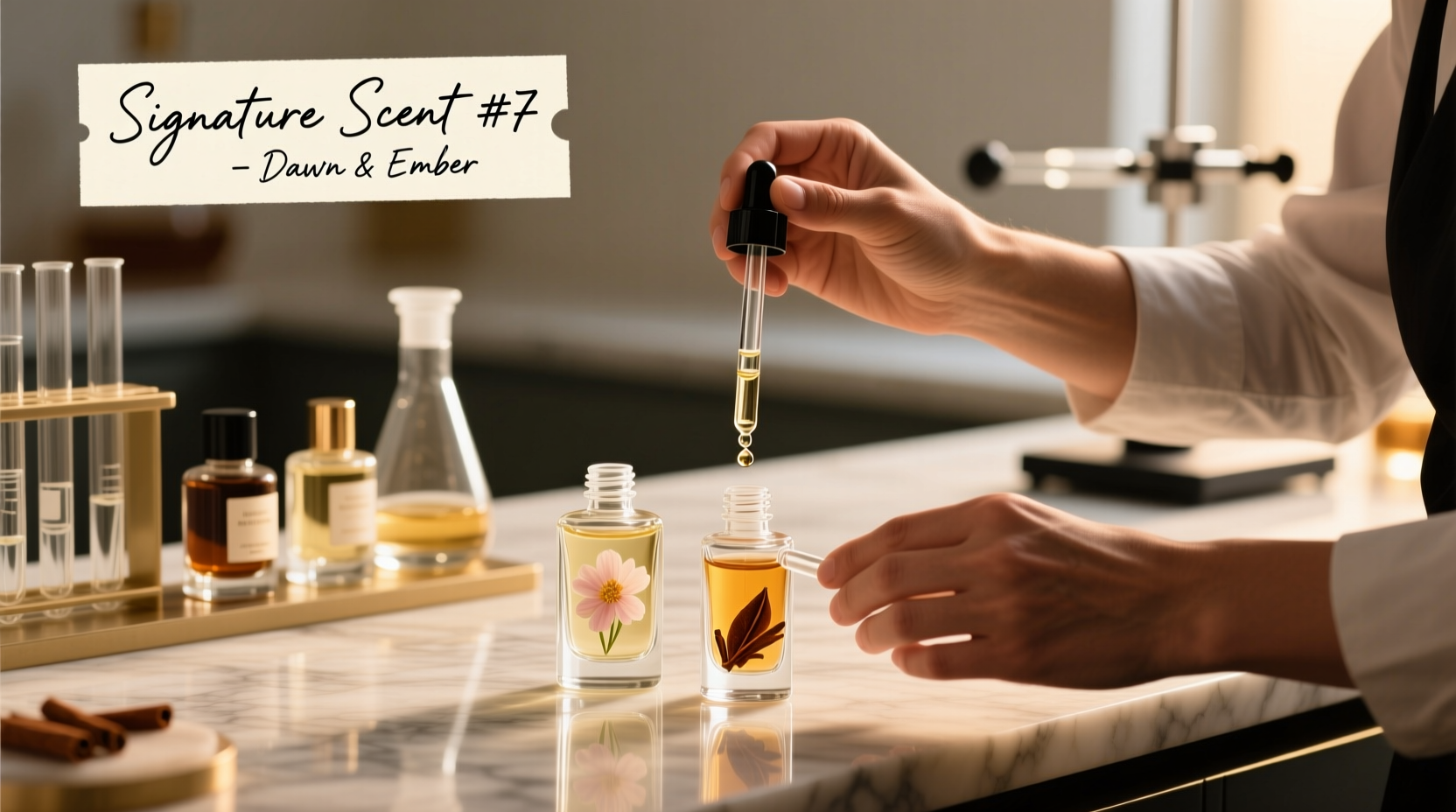
Before combining perfumes, it’s essential to understand their structure. Most fragrances are composed of three layers of notes: top, middle (heart), and base. Top notes are the first impression—light, fresh, and volatile, lasting 5–15 minutes. Middle notes emerge after the top fades, forming the core character of the scent and lasting several hours. Base notes are deep and rich, anchoring the fragrance and often persisting for up to 24 hours.
Fragrances are also categorized into families based on dominant characteristics. Common families include:
- Floral: Rose, jasmine, lily of the valley—often feminine, romantic, and soft.
- Oriental: Vanilla, amber, spices—warm, sensual, and opulent.
- Woody: Sandalwood, cedar, patchouli—earthy, grounding, and sophisticated.
- Chypre: Bergamot, oakmoss, labdanum—complex, mossy, and slightly animalic.
- Fougère: Lavender, coumarin, oakmoss—common in masculine scents, fresh yet herbal.
- Citrus: Lemon, grapefruit, bergamot—bright, zesty, and energizing.
- Gourmand: Caramel, chocolate, praline—sweet, edible, and comforting.
Successful blending hinges on compatibility between these families. For instance, pairing a citrus top note with a floral heart creates a vibrant daytime scent, while merging vanilla and sandalwood yields a creamy warmth ideal for evenings.
The Step-by-Step Process of Creating Your Signature Scent
Creating a personalized blend isn’t guesswork; it’s a deliberate process. Follow these steps to develop a scent that evolves beautifully throughout the day.
- Choose your base perfume. This will be the dominant scent—the one you love most and want to enhance. It should have strong base notes for longevity.
- Select a complementary accent perfume. Pick a second fragrance that introduces contrast or depth without clashing. For example, add a green tea note to soften a heavy floral.
- Test on skin, not blotter. Skin chemistry alters fragrance significantly. Apply both separately to different wrists and wait 30 minutes before assessing interaction.
- Mix in small quantities. Spray one pump of each perfume into a clean glass vial or decant bottle. Swirl gently and let sit for 10 minutes to allow fusion.
- Evaluate the evolution. Apply the blend to your wrist and monitor how it changes over 4–6 hours. Does the transition between notes feel smooth?
- Adjust the ratio. Try 70% base / 30% accent, then reverse. Sometimes a whisper of the second scent is all you need.
- Document your formula. Write down the names, ratios, and date. Even slight variations can yield entirely different results.
This methodical approach ensures consistency and allows you to refine your creation over time.
Do’s and Don’ts of Perfume Mixing
Even experienced wearers make mistakes when layering fragrances. The following table outlines key guidelines to avoid common pitfalls.
| Do’s | Don’ts |
|---|---|
| Start with light scents and build complexity gradually. | Never mix two overpowering scents (e.g., heavy orientals). |
| Use similar concentration levels (e.g., Eau de Parfum with Eau de Parfum). | Avoid combining alcohol-heavy samples with oil-based perfumes. |
| Layer across seasons—try citrus + musk in summer, vanilla + leather in winter. | Don’t apply multiple sprays without testing; over-application causes olfactory fatigue. |
| Store blended perfumes in dark glass bottles away from heat. | Never mix perfumes directly on your skin without prior testing. |
| Re-evaluate blends monthly—your preferences may evolve. | Don’t expect instant perfection; refinement takes time. |
Real-Life Example: Crafting a Modern Vintage Scent
Sophia, a freelance writer in Portland, wanted a scent that felt both nostalgic and contemporary. She loved the powdery elegance of her grandmother’s vintage Shalimar but found it too intense for daily use. At the same time, she enjoyed the crispness of a modern unisex citrus-ozonic fragrance but missed warmth.
She began experimenting: applying a single spray of Shalimar behind her ears, then misting her neck lightly with the citrus scent. The result was unexpected—Shalimar’s bergamot top note merged seamlessly with the ozonic freshness, while its vanilla base softened into a subtle glow beneath the bright opening. After refining the ratio to 1 part Shalimar to 2 parts citrus, she created a luminous, memory-laden aura that colleagues frequently complimented.
She now keeps a dedicated 10ml rollerball with her blend labeled “Echo,” using it for creative workdays and intimate gatherings alike. Her experience illustrates how thoughtful layering can bridge generations of fragrance aesthetics.
“Perfume blending is alchemy—it transforms personal history, emotion, and chemistry into something intangible yet deeply memorable.” — Dr. Lila Moreau, Olfactory Anthropologist & Senior Perfumer at Symrise
Expert Tips for Long-Lasting, Balanced Blends
Professional perfumers rely on principles that anyone can adopt. Here are five advanced strategies to refine your technique:
- Anchor with base notes. Choose one perfume with strong base notes (like vetiver, tonka bean, or musk) to serve as the foundation. This ensures your blend lasts beyond the initial burst.
- Respect volatility. Lighter molecules evaporate faster. If your accent scent disappears too quickly, try applying it after the base instead of mixing upfront.
- Consider sillage and projection. Two moderate-scatter perfumes may become overwhelming when combined. Test in enclosed spaces to gauge intensity.
- Use layering products. Scented body oils, unscented moisturizers, or matching shower gels can amplify and prolong your blend. Apply an unscented balm before spraying to help the fragrance adhere.
- Rotate blends seasonally. Heat amplifies sweetness and spice, while cold air dulls top notes. Adjust ratios accordingly—a heavier base in winter, lighter accents in summer.
Frequently Asked Questions
Can mixing perfumes ruin them chemically?
In most cases, no. Modern perfumes are formulated with stable solvents and preservatives. However, mixing oil-based and alcohol-based fragrances may cause separation or altered performance. Stick to similar formulations unless experimenting intentionally.
How many perfumes should I mix at once?
Stick to two. Three or more increases the risk of olfactory chaos. Complexity doesn’t require quantity—nuance does. A masterfully balanced duo can outperform a cluttered trio.
Is it safe to mix designer and niche perfumes?
Absolutely. In fact, this is a favorite trick among connoisseurs. Pair a high-sillage designer scent with a rare niche base to achieve uniqueness and presence. Just ensure they share at least one common note (e.g., saffron, incense, or iris).
Essential Checklist: Building Your Signature Blend
Follow this checklist every time you experiment:
- ☐ Identify your preferred fragrance family and mood (e.g., warm, fresh, mysterious)
- ☐ Select one base perfume with strong longevity
- ☐ Choose one accent perfume with contrasting or enhancing qualities
- ☐ Test both individually on skin for at least 30 minutes
- ☐ Mix in a clean container using a 70/30 ratio (base to accent)
- ☐ Apply blend and observe evolution over 4+ hours
- ☐ Adjust ratio and retest if needed
- ☐ Label and store final version properly
- ☐ Reassess after 1–2 weeks of regular use
Conclusion: Make Your Scent Unmistakably Yours
Creating a signature scent by mixing two perfumes isn’t just about smelling good—it’s about expressing who you are in a way words cannot. It’s the quiet confidence of wearing something no one else has, the intimacy of a fragrance that shifts and breathes with your skin, and the joy of becoming your own perfumer. With attention to structure, patience in testing, and respect for balance, you can craft a scent that tells your story—one note at a time.




 浙公网安备
33010002000092号
浙公网安备
33010002000092号 浙B2-20120091-4
Comments
No comments yet. Why don't you start the discussion?