
Perfume is more than a finishing touch—it’s an extension of identity. Yet, finding one fragrance that consistently reflects your mood, style, and presence can be limiting. That’s where fragrance layering comes in. By intentionally combining scents across different formats—eau de parfum, body oils, lotions, and even hair mists—you craft a personalized aroma that evolves throughout the day. This method allows for depth, complexity, and a truly bespoke olfactory experience. Unlike relying on a single bottle, layering gives you creative control, turning scent into a dynamic form of self-expression.
Understanding Fragrance Notes and Structure
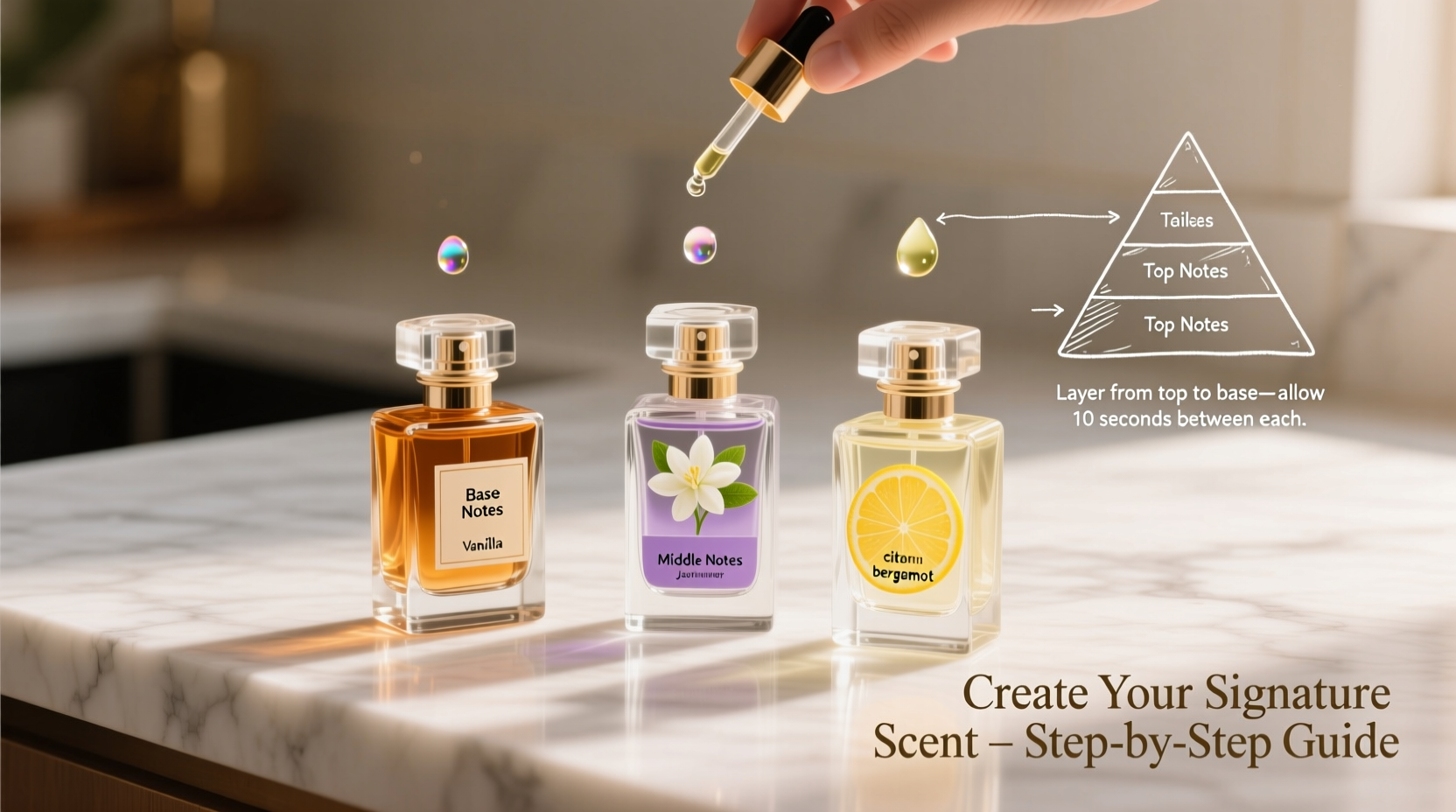
Fragrances are built like music: they unfold in movements. The three primary stages—top, middle (heart), and base notes—form what perfumers call the “fragrance pyramid.” Top notes are the first impression, often citrusy or fresh, but they evaporate within 15 to 30 minutes. Heart notes emerge next, forming the core character of the scent—floral, spicy, or fruity. Finally, base notes linger for hours, offering depth with ingredients like sandalwood, vanilla, amber, or musk.
Successful layering hinges on understanding how these notes interact. For example, pairing a top note of bergamot with a heart of jasmine and a base of patchouli creates a balanced progression. When layering, consider how each product contributes to this evolution. A citrus-based body oil might serve as your opening act, while a woody eau de parfum deepens the story hours later.
“Fragrance layering isn’t just about mixing scents—it’s about choreographing their journey on the skin.” — Clara Moreau, Perfumer & Olfactory Consultant
The Art of Layering: Step-by-Step Guide
Creating a signature scent through layering isn’t random; it’s intentional blending. Follow this structured approach to develop a harmonious, long-lasting fragrance profile.
- Start with a clean, moisturized base. Dry skin absorbs fragrance unevenly and shortens its lifespan. Use an unscented or lightly scented body lotion to lock in moisture before applying any perfume.
- Choose a foundational scent. This is typically your longest-lasting product—often a parfum or oil—with strong base notes like vanilla, oud, or vetiver. Apply it to pulse points: wrists, neck, behind ears.
- Add a complementary mid-layer. Select a body spray or eau de toilette with heart notes that bridge your foundation and top layer. For instance, if your base is warm amber, add a rose or lavender mist for softness.
- Crown with a volatile top note. Use a citrus, green, or aquatic spray for brightness. This creates the initial impression when someone meets you.
- Test and adjust. Wait 20–30 minutes after application. Smell develops over time. If the blend feels unbalanced, reduce one layer or switch one component.
Building Your Scent Wardrobe
Think of your fragrance collection as a wardrobe. Just as you wouldn’t wear a turtleneck with shorts in summer, certain scents clash or overwhelm when layered. Build versatility by curating products across four key categories:
- Base Anchors: Rich, long-lasting scents with deep base notes (e.g., vanilla, leather, incense).
- Heart Modulators: Floral or spicy fragrances that shape the middle phase (e.g., tuberose, cardamom, saffron).
- Top Enhancers: Fresh, fleeting notes that open the experience (e.g., lemon, mint, cucumber).
- Texture Products: Unscented or lightly fragranced lotions, oils, or mists that extend longevity and smooth transitions.
For example, a warm base of amber resin paired with a heart of osmanthus and a top of pink pepper creates a modern gourmand profile. Alternatively, a green tea body oil layered under a vetiver cologne yields a crisp, earthy sophistication.
| Scent Profile | Base Note | Heart Note | Top Note | Layering Pairing Example |
|---|---|---|---|---|
| Warm & Sensual | Vanilla, Musk | Jasmine, Ylang-Ylang | Bergamot, Peach | Vanilla body cream + jasmine parfum + citrus mist |
| Fresh & Aquatic | Ambroxan | Lotus, Marine Accord | Mint, Lemon | Unscented lotion + aquatic eau de toilette + sea-salt spray |
| Woody & Earthy | Sandalwood, Patchouli | Neroli, Clove | Pine, Black Pepper | Sandalwood oil + spicy cologne + herbal body spray |
| Floral & Romantic | Amber, Benzoin | Rose, Violet | Green Apple, Dewy Greens | Almond milk lotion + rose attar + dewy floral mist |
Avoiding Common Layering Mistakes
Even experienced fragrance lovers can misstep. Overlapping too many strong scents results in olfactory chaos. Here’s what to avoid:
- Using too many dominant notes. Two heavy base notes (like oud and patchouli) can become cloying. Stick to one anchor per blend.
- Ignoring sillage and projection. Some fragrances project far; others stay close to the skin. Layering two strong projectors may overwhelm those nearby.
- Skipping skin testing. Scents react differently based on pH, diet, and hormones. Always test combinations on your skin, not just the blotter.
- Applying in reverse order. Heavier oils applied over sprays can trap lighter notes, muting their effect.
Real-Life Example: Crafting a Signature Scent for Different Occasions
Take Lena, a creative director who wanted a scent that transitioned seamlessly from boardroom to evening events. She began with a neutral almond milk body lotion to hydrate and prime her skin. For her base, she chose a smoky vanilla oil—warm but not sweet. As a heart layer, she added a few spritzes of a iris and suede eau de parfum, lending sophistication and structure. Finally, she topped it with a burst of grapefruit and rain accord mist for a bright, confident opening.
At work, colleagues noticed a subtle, polished aura. By evening, the vanilla and suede deepened, giving her presence a luxurious warmth. After two weeks of refinement, Lena stopped wearing other perfumes entirely. This layered blend had become her signature—unique, adaptable, and unmistakably hers.
Expert Tips for Longevity and Balance
Longevity isn’t just about alcohol concentration—it’s about synergy. Hydrated skin holds scent longer, which is why starting with a matching body lotion extends wear time by up to 40%. Oil-based fragrances last even longer due to their slower evaporation rate.
To enhance staying power:
- Apply fragrance to pulse points where heat helps diffuse the aroma.
- Layer with products from the same fragrance family—even if not from the same brand.
- Reapply lighter layers (like mists) during the day without disrupting the base.
“Your skin is the final ingredient in any fragrance. What smells divine on one person might fade quickly on another. Layering gives you the tools to adapt.” — Rafael Torres, Nose at Maison Sillage
Fragrance Layering Checklist
Use this checklist to ensure consistent, successful layering every time:
- ✅ Cleanse and moisturize skin before layering
- ✅ Identify your base, heart, and top note preferences
- ✅ Choose one dominant base note to anchor the blend
- ✅ Test combinations on skin, not paper
- ✅ Apply in order: lotion → oil/mist → eau de parfum
- ✅ Wait 30 minutes to assess full development
- ✅ Adjust ratios—less is often more
- ✅ Store all products away from heat and light to preserve integrity
FAQ: Common Questions About Fragrance Layering
Can I mix designer perfumes with niche or natural fragrances?
Yes, but proceed with caution. Designer perfumes often contain synthetic stabilizers that can alter natural essential oils. Start with small amounts and test compatibility. Many find success pairing a natural sandalwood oil with a designer oriental fragrance for added warmth.
How do I know if two scents clash?
Clashing occurs when opposing accords dominate—such as a sharp green galbanum against a creamy coconut. If the blend gives you a headache or smells “off,” one note is likely overpowering the other. Simplify the combination and rebalance.
Is it safe to layer multiple alcohol-based sprays?
In moderation, yes. However, excessive alcohol can dry the skin and degrade fragrance molecules. Limit to two sprays per product and always follow with a moisturizing layer if needed.
Create Your Own Olfactory Identity
Your scent doesn’t have to be static. It can shift with your mood, season, or environment—yet still feel like you. By mastering fragrance layering, you move beyond consumer to creator. You’re no longer choosing from a catalog; you’re composing an invisible accessory that lingers in memory long after you’ve left the room.
Start simple. Pick two products you already love—one rich, one light. Layer them mindfully. Observe how they change over time. Refine. Repeat. With patience and attention, you’ll discover a combination so uniquely yours that people begin asking, “What are you wearing?” And the true answer will be: Myself.




 浙公网安备
33010002000092号
浙公网安备
33010002000092号 浙B2-20120091-4
Comments
No comments yet. Why don't you start the discussion?