
Sensitive skin affects millions of people worldwide. It can react unpredictably to products, environments, and even internal factors like stress or hormones. Redness, stinging, dryness, or breakouts after using a new product are common signs. While the instinct may be to avoid skincare altogether, the right routine—thoughtfully built—can actually strengthen your skin’s resilience. The key is patience, simplicity, and informed choices. This guide walks through the essential steps to design a personalized, gentle skincare regimen that protects your skin barrier while delivering visible results.
Understanding Sensitive Skin: More Than Just Reactivity
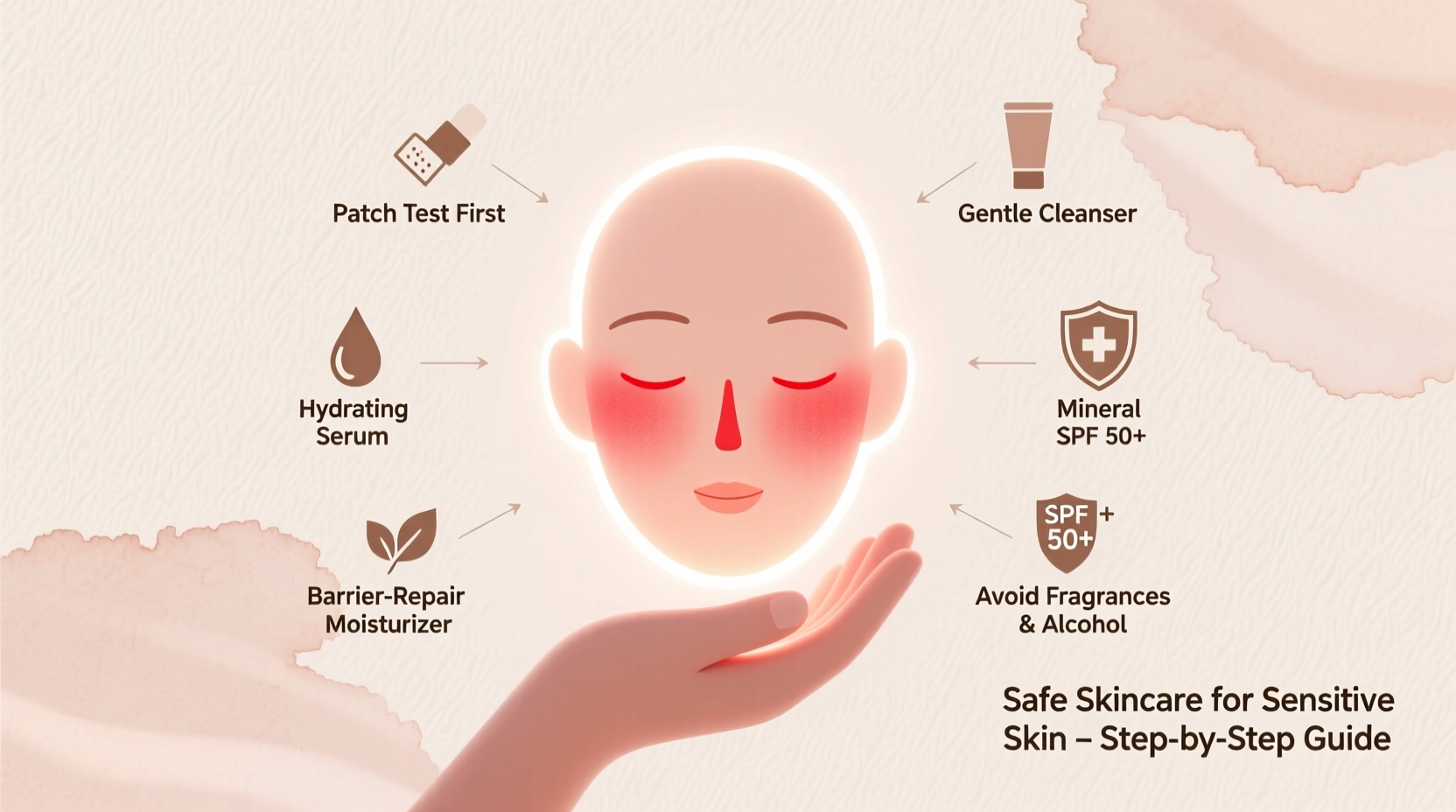
Sensitive skin isn’t a single condition—it’s a symptom profile that can stem from various underlying causes. Some individuals have genetically thinner skin or lower ceramide levels, making their moisture barrier more vulnerable. Others develop sensitivity due to overuse of harsh products, environmental exposure, or conditions like rosacea, eczema, or perioral dermatitis.
The compromised skin barrier in sensitive types allows irritants and allergens to penetrate more easily. This leads to inflammation, dehydration, and heightened reactivity. Therefore, the goal of any skincare routine should not be to \"fix\" sensitivity overnight but to restore and maintain the integrity of the skin barrier.
“Treating sensitive skin starts with respect for its limitations. Less is often more when it comes to ingredients and frequency.” — Dr. Lena Torres, Board-Certified Dermatologist
A Step-by-Step Guide to Building Your Routine
Creating a safe skincare routine doesn’t require expensive products or complex regimens. What matters most is consistency, gentleness, and gradual introduction. Follow this timeline to build your ideal routine over 4–6 weeks:
- Week 1: Observation & Cleansing Only
Stop all current products. Wash face twice daily with lukewarm water and a fragrance-free, non-foaming cleanser. Observe how your skin behaves without active ingredients. - Week 2: Introduce a Hydrating Toner (Optional)
Add one alcohol-free, soothing toner containing ingredients like centella asiatica, chamomile, or panthenol. Apply with clean hands, not cotton pads, to minimize friction. - Week 3: Add a Simple Moisturizer
Introduce a lightweight, hypoallergenic moisturizer with ceramides, glycerin, or squalane. Use consistently morning and night. - Week 4: Patch Test One Active Ingredient
If needed, test a low-concentration hydrating serum (e.g., hyaluronic acid) on a small area behind the ear or jawline for three days before full-face use. - Weeks 5–6: Evaluate & Adjust
Assess improvements in redness, tightness, and comfort. Only then consider adding sunscreen during the day if not already included.
Key Ingredients to Embrace (and Avoid)
Choosing the right ingredients is critical when formulating a routine for reactive skin. Some components soothe and repair, while others—even those marketed as “natural”—can trigger flare-ups.
| Recommended Ingredients | Why They Help | Common Sources |
|---|---|---|
| Ceramides | Reinforce the skin barrier and prevent moisture loss | Multiceramide complexes, phytosphingosine |
| Panthenol (Provitamin B5) | Calms irritation and supports healing | After-sun lotions, barrier creams |
| Niacinamide (Low Concentration: 2–5%) | Reduces redness and strengthens barrier function | Some serums and moisturizers |
| Centella Asiatica (Cica) | Anti-inflammatory and wound-healing properties | Korean skincare lines, soothing balms |
| Squalane | Lightweight emollient that mimics natural sebum | Plant-derived oils, facial oils |
| Ingredients to Avoid | Why They Irritate |
|---|---|
| Fragrance (synthetic and essential oils) | Top cause of allergic contact dermatitis; volatile compounds can penetrate sensitized skin |
| Alcohol (denatured, ethanol, isopropyl) | Drying and disruptive to lipid layer; increases trans-epidermal water loss |
| Physical scrubs (especially walnut shells, apricot kernels) | Create micro-tears in fragile skin |
| High-strength acids (glycolic, salicylic above 2%) | Disrupt pH balance and strip protective lipids |
| Sulfates (SLS/SLES) | Over-strip natural oils leading to tightness and flaking |
Essential Checklist for Daily Care
To stay consistent and avoid accidental triggers, follow this daily checklist tailored for sensitive skin:
- ✅ Use only lukewarm water—not hot or cold—for cleansing
- ✅ Choose a cream-based, sulfate-free cleanser with minimal ingredients
- ✅ Pat skin dry with a soft cotton towel—never rub
- ✅ Apply moisturizer within 60 seconds of washing to lock in hydration
- ✅ Wear mineral-based sunscreen (zinc oxide/titanium dioxide) every morning, even indoors
- ✅ Avoid touching or picking at the face throughout the day
- ✅ Replace pillowcases every 3–4 days using hypoallergenic detergent
- ✅ Keep a skincare journal noting reactions to new products
Real Example: Recovering from Over-Exfoliation
Sarah, a 32-year-old teacher, developed persistent redness and burning after trying a popular acne-fighting routine involving chemical exfoliants and clay masks three times a week. She assumed her skin was “purging” and continued for two months until her cheeks became raw and flaky.
After visiting a dermatologist, she was diagnosed with impaired barrier function due to over-exfoliation. Her treatment plan involved stopping all actives, switching to a minimalist routine (micellar water alternative, ceramide cream, zinc sunscreen), and avoiding makeup for four weeks. Within six weeks, her skin regained calmness and could tolerate a simple hyaluronic acid serum.
Sarah’s case illustrates how aggressive routines—even those designed for problem skin—can backfire on sensitive types. A return to basics allowed her skin to heal and rebuild trust in skincare.
“Many patients come in with ‘routine fatigue’—too many layers, too many claims. For sensitive skin, we prescribe fewer steps, not more.” — Dr. Arjun Mehta, Clinical Dermatology Researcher
Common Mistakes That Worsen Sensitivity
Even with good intentions, certain habits can undermine efforts to care for sensitive skin:
- Switching products too quickly: Changing routines every few days prevents you from identifying what works—or causes reactions.
- Using “natural” products without caution: Essential oils like tea tree, lavender, or citrus are frequent culprits in allergic reactions.
- Over-cleansing: Washing more than twice daily or using foaming cleansers strips necessary oils.
- Skipping sunscreen: UV exposure increases inflammation and weakens the skin barrier over time.
- Applying multiple serums: Layering several active ingredients creates cumulative irritation, even if each seems mild.
Instead of chasing trends, focus on stability. A successful routine feels invisible—your skin shouldn’t tingle, burn, or feel tight after application.
FAQ: Your Top Questions Answered
Can I use retinoids if I have sensitive skin?
Yes, but with caution. Start with a low-concentration encapsulated retinol (0.1–0.2%) once weekly, applied over moisturizer (“buffering”) to reduce irritation. Gradually increase frequency only if no redness or peeling occurs. Avoid combining with acids or physical exfoliants.
Is double cleansing safe for sensitive skin?
Only if done gently. Use an oil-based cleanser strictly for removing sunscreen or makeup, followed by a water-based milky cleanser. Avoid harsh oils like coconut or mineral oil, which can clog pores or cause reactions. Skip this step entirely on non-makeup days.
How do I know if my skin is improving?
Signs of progress include reduced redness, less frequent itching, smoother texture, and decreased reliance on soothing creams. You’ll also notice better tolerance to environmental changes like wind or air conditioning. Track these subtly over time—they’re more reliable than immediate glow claims.
Final Thoughts: Building Trust With Your Skin
Creating a skincare routine for sensitive skin isn’t about achieving perfection overnight. It’s about cultivating awareness, consistency, and compassion toward your body’s signals. By prioritizing barrier support over quick fixes, you lay the foundation for healthier, more resilient skin in the long term.
Remember, safety comes first. Every product added should serve a clear purpose and undergo careful testing. When in doubt, consult a dermatologist who specializes in sensitive or reactive skin conditions. There’s no shame in seeking professional guidance—your skin deserves informed care, not guesswork.




 浙公网安备
33010002000092号
浙公网安备
33010002000092号 浙B2-20120091-4
Comments
No comments yet. Why don't you start the discussion?