
In a world where fast fashion dominates holiday shopping, choosing slow fashion is both a radical and rewarding act. Creating a Christmas outfit from upcycled, thrifted pieces not only reduces textile waste but allows for deeply personal style expression. With over 92 million tons of clothing discarded annually—much of it during peak seasons like the holidays—rethinking our approach to festive wear is urgent. This guide walks you through sourcing, transforming, and styling a one-of-a-kind holiday ensemble that honors sustainability, craftsmanship, and individuality.
Why Slow Fashion Belongs at Christmas
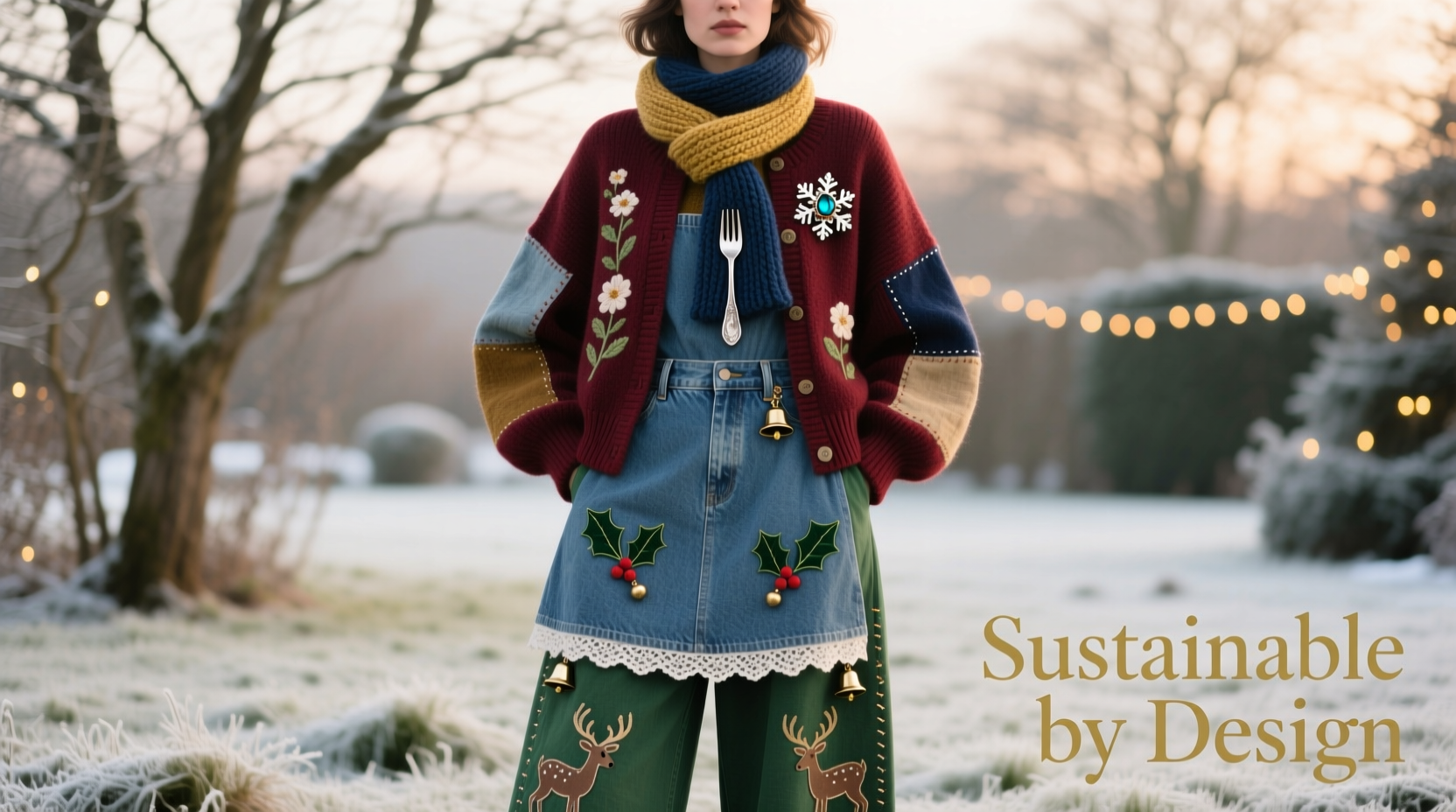
The holiday season is synonymous with celebration, generosity, and tradition—but also with excess. The average consumer spends nearly 30% more on clothing in December than any other month. Much of this ends up worn once, if at all. Slow fashion challenges this cycle by emphasizing quality, intentionality, and longevity. When applied to Christmas dressing, it transforms an act of consumption into one of creation.
Upcycling pre-loved garments aligns perfectly with the spirit of giving. Instead of contributing to landfill or exploiting labor abroad, you’re breathing new life into forgotten fabrics. A vintage wool coat becomes a statement piece; a moth-eaten sweater is reborn as a patchwork cardigan; a retired tablecloth finds purpose as a holiday skirt. These transformations are not just eco-conscious—they’re emotionally resonant.
“Sustainability isn’t about perfection—it’s about participation. Every mended seam, every reimagined sleeve, is a vote for a better fashion system.” — Dr. Lena Torres, Sustainable Textiles Researcher, University of Brighton
Step-by-Step: Building Your Upcycled Christmas Outfit
Creating a cohesive, festive look from secondhand materials doesn’t require professional tailoring. It does, however, benefit from planning, patience, and creativity. Follow this timeline to design your outfit over 7–10 days, allowing room for inspiration and iteration.
- Day 1–2: Define Your Vision
Decide on a color palette (deep reds, forest green, cream, gold) and silhouette (vintage glamour, rustic cottagecore, minimalist modern). Collect mood board images digitally or on paper. - Day 3–4: Scout Thrift Sources
Visit local thrift stores, charity shops, or online resale platforms like Vinted or eBay. Look beyond seasonal items—neutral-toned blazers, lace blouses, wool skirts, and structured coats can be adapted. - Day 5: Deconstruct & Assess
Sort finds by fabric type, condition, and usable elements. Set aside damaged items for material harvesting (buttons, zippers, lace). - Day 6–7: Modify & Combine
Cut, stitch, dye, or embellish pieces. Combine collars, sleeves, or hems from different garments to form a hybrid design. - Day 8: Fit & Refine
Try on the outfit, pin alterations, and make final adjustments. Press seams and finish raw edges. - Day 9: Accessorize Thoughtfully
Create jewelry from scrap fabric, repurpose old belts, or wrap vintage scarves as headpieces. - Day 10: Celebrate & Share
Wear your creation proudly. Document the process to inspire others.
Essential Upcycling Techniques for Beginners
You don’t need a sewing machine to begin upcycling—though one helps. Start with hand-sewn modifications that yield high impact with low risk.
- Fabric Dyeing: Use natural dyes (beetroot, turmeric, black tea) or low-impact commercial dyes to unify mismatched tones. A faded navy sweater can become rich plum with a 30-minute simmer in wine-based dye.
- Appliqué: Cut shapes from leftover fabric (stars, snowflakes, holly) and sew them onto jackets, skirts, or trousers for instant holiday flair.
- Reconstruction: Combine the bodice of one dress with the skirt of another. For example, attach a velvet panel from a thrifted curtain to the hem of a plain dress for dramatic volume.
- Embellishment: Add texture with buttons, embroidery, or ribbon. Vintage brooches pinned asymmetrically elevate a simple blouse.
- No-Sew Fixes: Use fabric glue or iron-on adhesive webbing for hems, patches, or attaching trims—ideal for renters or those without tools.
Always pre-wash thrifted garments before altering. Many carry residues from storage, perfumes, or pests. A gentle wash followed by air-drying preserves fiber integrity.
Checklist: Your Upcycled Holiday Outfit Roadmap
Use this checklist to stay organized throughout your project:
- ☐ Define a color scheme and aesthetic theme
- ☐ List required garment types (e.g., top, bottom, outerwear)
- ☐ Visit at least three thrift sources (in-person or online)
- ☐ Sort finds by fabric weight and condition
- ☐ Salvage usable hardware (zippers, buttons, hooks)
- ☐ Sketch at least two design variations
- ☐ Test dye swatches on fabric scraps
- ☐ Complete primary construction (sewing, gluing, draping)
- ☐ Conduct a full outfit fitting
- ☐ Add accessories made from remnants
- ☐ Photograph final look for social sharing or personal archive
Real Example: Maya’s Rustic-Cottage Christmas Ensemble
Maya, a graphic designer from Leeds, wanted a festive look that reflected her love of nature and handmade culture. She avoided mall shopping entirely and spent a weekend curating materials from her local Oxfam store and a community clothes swap.
Her starting point was a men’s oversized cable-knit sweater in oatmeal wool—too large and boxy to wear as-is. She cut off the lower half, reshaped the neckline into a deep V, and added a wide sash made from a repurposed tartan scarf. For the bottom, she found a floor-length brown corduroy skirt with minor stains near the hem. She removed the stained section and inserted a band of emerald-green velvet harvested from a damaged evening gown.
To unify the outfit, Maya hand-embroidered small pine trees along the sweater’s cuffs and collar using gold thread. She completed the look with ankle boots, fingerless gloves knitted from recycled yarn, and a headband woven from dried ivy and cinnamon sticks.
The entire outfit cost under £15 and took six hours to assemble. “It felt like I wasn’t just wearing clothes,” she said. “I was wearing a story.”
Do’s and Don’ts of Thrifted Fashion Upcycling
| Do | Don’t |
|---|---|
| Inspect seams and underarms for wear | Assume size labels are accurate—always try on |
| Choose natural fibers (wool, cotton, silk) for easier dyeing and durability | Buy items requiring extensive repairs unless experienced |
| Keep a “parts” bin for future projects (buttons, trim, zippers) | Discard heavily stained or mildewed items—health risk |
| Start with reversible changes (pins, clips) before cutting | Rush the design process—let ideas evolve |
| Document each step for future reference | Compare your work to fast-fashion ideals—value uniqueness |
Frequently Asked Questions
Can I create a formal Christmas outfit from thrifted clothes?
Absolutely. Many charity shops carry vintage eveningwear, including sequined dresses, tailored tuxedos, and satin blouses. Look for structural integrity—linings, boning, and strong seams—over brand names. With minor alterations (hemming, replacing buttons, adding a new belt), even outdated silhouettes can feel contemporary and elegant.
What if I don’t know how to sew?
Sewing is helpful but not essential. No-sew methods like fabric glue, safety pins with decorative covers, and knotting techniques allow for creative assembly. You can also collaborate with local craft groups or use repair cafes where volunteers assist with basic stitching. The goal is transformation, not perfection.
How do I ensure my outfit looks festive without being kitschy?
Focus on texture and tone rather than overt holiday prints. A cream wool turtleneck paired with a deep red pleated skirt and a faux-fur stole feels celebratory without relying on Santa motifs. Metallic threads, velvet finishes, or subtle embroidery suggest festivity through refinement, not cliché.
Conclusion: Wear Your Values This Holiday Season
Creating a slow fashion Christmas outfit from upcycled thrifted pieces is more than a styling challenge—it’s an ethical choice, a creative practice, and a quiet rebellion against disposable culture. Each alteration tells a story: of resourcefulness, care, and connection to the garments we wear. You’re not just avoiding waste; you’re redefining what it means to celebrate with intention.
This year, let your holiday look reflect more than trends. Let it reflect thoughtfulness. Let it reflect hope. Whether you’re attending a family dinner, hosting friends, or simply enjoying a quiet evening by the fire, your outfit can stand as a testament to mindful living. And when someone compliments your style, you’ll have more than aesthetics to share—you’ll have a process, a journey, and a commitment to change.




 浙公网安备
33010002000092号
浙公网安备
33010002000092号 浙B2-20120091-4
Comments
No comments yet. Why don't you start the discussion?