
Transforming your living room into a festive tribute to your favorite video game isn’t just whimsical—it’s a growing trend among gamers and interior enthusiasts alike. A themed Christmas tree offers a unique way to blend seasonal joy with personal passion. Whether you're drawn to the pixelated nostalgia of retro classics or the cinematic depth of modern epics like *The Legend of Zelda* or *Final Fantasy*, a game-inspired tree can become the centerpiece of your holiday celebration. The key lies in thoughtful planning, cohesive design, and attention to detail that honors both the spirit of the season and the essence of the game.
Select Your Game and Define Its Aesthetic
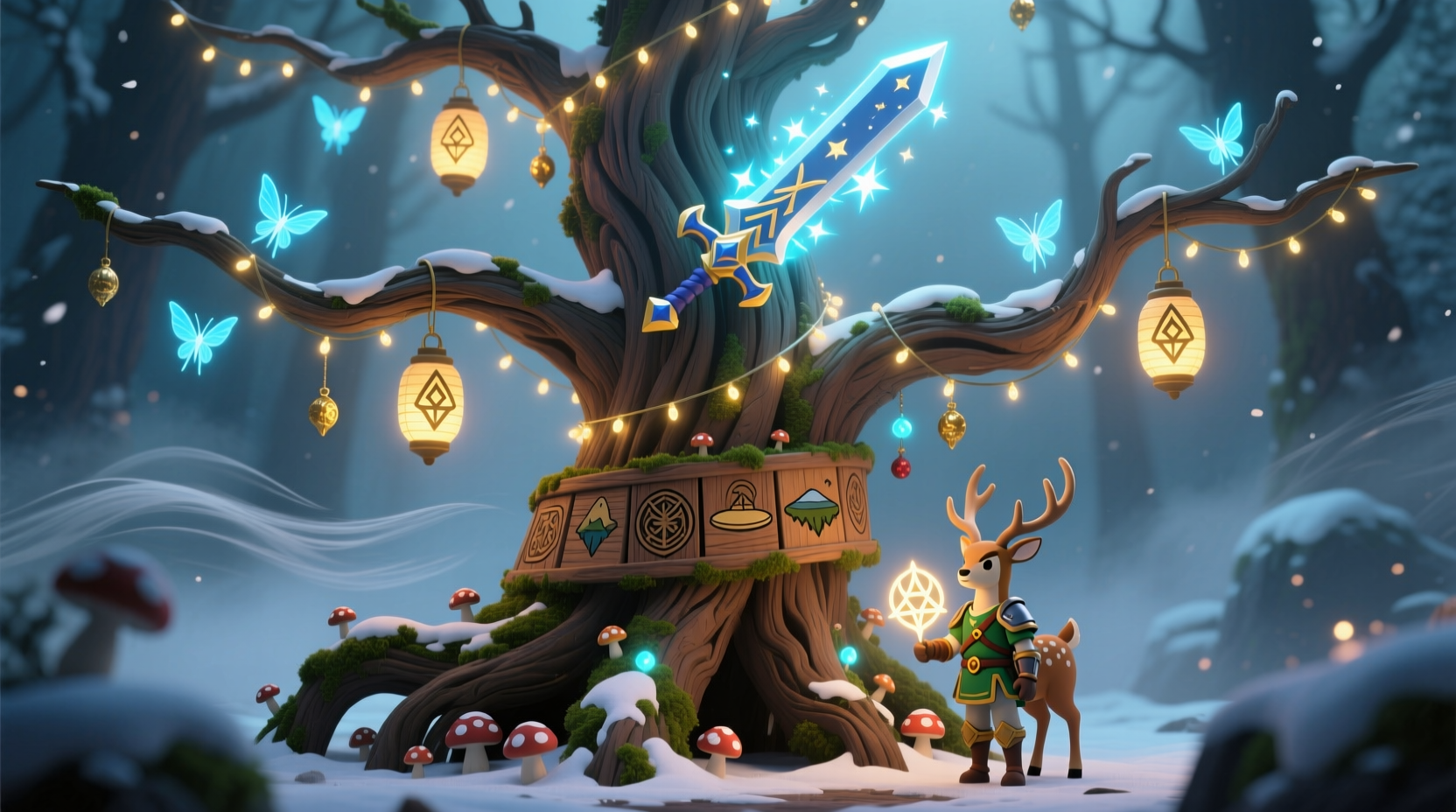
The foundation of any successful themed tree is a clear vision. Start by choosing a game that resonates deeply with you—ideally one with strong visual identity, memorable characters, and distinctive color palettes. Games such as *The Witcher 3*, *Animal Crossing: New Horizons*, or *Hades* offer rich artistic direction that translates well into décor.
Once selected, analyze the game’s core aesthetic. Is it dark and moody? Bright and cartoonish? Futuristic or medieval? This determines everything from ornament style to lighting choices. For example:
- Retro games (e.g., Super Mario Bros.): Use bold reds, bright greens, and pixel-style decorations.
- Fantasy RPGs (e.g., Skyrim): Opt for icy blues, silver accents, and nature-inspired elements like pinecones and wooden runes.
- Cyberpunk titles (e.g., Cyberpunk 2077): Embrace neon pinks, electric blues, and metallic finishes.
Step-by-Step Guide to Building Your Tree
- Choose the right tree size and type. Decide whether real or artificial works better for your space and theme. A smaller tabletop tree may suit compact spaces or minimalist themes, while larger firs allow for more elaborate storytelling.
- Prep the base with themed lighting. String lights set the tone. Warm white creates a classic feel; colored LEDs can mirror in-game environments—think emerald green for Hyrule or deep purple for the Underworld in *Hades*.
- Add background foliage layers. If your game has environmental motifs—jungle vines, snowflakes, circuit patterns—use garlands or tinsel to reflect them subtly.
- Hang primary ornaments. These should include character figurines, weapon replicas, or symbols like Master Balls (*Pokémon*) or Triforces (*Zelda*).
- Incorporate custom or handmade touches. Print mini sprites on cardstock, craft origami creatures, or 3D-print small items if possible.
- Crown the tree meaningfully. Instead of a star or angel, top it with an iconic item—a Master Sword, Pac-Man ghost, or even a glowing Core from *Portal*.
- Style the base creatively. Wrap presents in themed paper, place action figures around the trunk, or use a skirt resembling lava, grass tiles, or starmap fabric.
“Themed trees work best when they tell a story. Every ornament should feel intentional—not random.” — Lila Tran, Immersive Holiday Designer and Creator of GameTree Collective
Essential Decoration Checklist
To ensure no critical element is overlooked, follow this checklist before finalizing your display:
- ✅ Selected a central game with strong visual identity
- ✅ Identified dominant colors and materials (fabric, metal, plastic)
- ✅ Acquired or crafted at least 5 signature ornaments
- ✅ Chosen appropriate lighting (color temperature and brightness)
- ✅ Designed or purchased a themed tree topper
- ✅ Prepared a complementary tree skirt or base setup
- ✅ Included subtle nods beyond obvious icons (e.g., sound effect printouts, dialogue quotes on tags)
- ✅ Balanced density—avoid overcrowding while maintaining visual interest
Smart Material & Sourcing Tips
Not all decorations need to be store-bought. Many effective pieces can be DIY’d with minimal effort and cost. Consider these sourcing strategies:
| Decoration Type | Where to Source | Budget-Friendly Alternatives |
|---|---|---|
| Character Ornaments | Official merch stores, Etsy, convention exclusives | Printable cutouts laminated and hung with ribbon |
| Themed Lights | Amazon, specialty LED retailers | Use RGB smart bulbs controlled via app for dynamic effects |
| Tree Topper | Custom 3D printing services, fan shops | Paper mache or foam version painted and sealed |
| Garland | Craft stores, online fabric sellers | Origami shapes strung together or printed card strips |
| Tree Skirt | Custom embroidery shops, fandom boutiques | Repurpose a themed blanket or sew fabric squares into a circle |
Real Example: A Resident Evil-Inspired Survival Horror Tree
Jessica M., a biohazard-themed decorator from Portland, transformed her foyer with a chilling *Resident Evil* tree last holiday season. She began with a black artificial tree to mimic the dim corridors of the Spencer Mansion. Red LED string lights pulsed slowly using a flicker controller to simulate emergency lighting.
Ornaments included miniature zombie heads (painted foam balls), red herb sprays made from dyed moss, and file folder tags quoting in-game documents like “Project W.” The tree topper was a handcrafted Umbrella Corporation logo built from wire and acrylic paint. At the base, she placed a vintage typewriter (non-functional) surrounded by scattered “T-Virus report” printouts in styled fonts.
The result wasn’t just decorative—it was atmospheric. Guests described feeling like they’d stepped into a scene from the game. Jessica emphasized restraint: “I didn’t want it to look like a haunted house. I wanted it to feel authentic to the game’s tension and design.”
Common Pitfalls to Avoid
Even passionate fans can misstep when translating digital worlds into physical décor. Watch out for these frequent issues:
- Overcrowding the tree – Too many ornaments compete for attention and obscure individual details.
- Mismatched scale – A giant Pikachu next to tiny snowflake ornaments breaks visual harmony.
- Neglecting balance – Heavy items clustered on one side make the tree lopsided.
- Ignoring safety – Homemade electrical components (like modified lights) should meet fire codes and never overheat.
- Forgetting the holiday context – A purely game-themed tree risks losing its Christmas spirit. Blend seasonal elements like evergreen scent or traditional carols playing softly in the background.
“Great themed trees honor both the game and the season. They’re not dioramas—they’re celebrations.” — Marcus Reed, Theme Park Exhibit Designer and Holiday Installation Consultant
FAQ: Themed Game Trees
Can I combine multiple games into one tree?
Yes, but only if they share a universe or aesthetic. A *Metroid* + *Halo* sci-fi military tree works better than mixing *Tetris* with *The Sims*. Stick to one primary game for clarity, then add secondary references sparingly.
What if my favorite game doesn’t have official ornaments?
Create your own. Use polymer clay to sculpt small items, print QR codes linking to soundtrack clips, or repurpose action figures. Many indie developers also sell digital asset packs for non-commercial use—perfect for crafting.
How do I explain the theme to guests who don’t know the game?
Add a small card at the base: “This tree celebrates [Game Name], a [genre] released in [year], known for [key feature].” You might even include a QR code linking to a trailer or gameplay snippet.
Bringing It All Together: From Concept to Celebration
A game-themed Christmas tree is more than décor—it’s a narrative experience. It invites conversation, sparks nostalgia, and shows off your personality in a joyful, inclusive way. The most memorable trees aren’t the most expensive, but the ones where every choice feels deliberate and meaningful.
Start small if needed. Even a single themed ornament among traditional ones can spark delight. As confidence grows, so can ambition: animated lights synced to music, motion-sensor sound bites, or augmented reality apps that overlay digital effects when viewed through a phone.
The holidays are about connection—between people, memories, and passions. By anchoring your tree in a beloved game, you’re not just decorating; you’re sharing a piece of what brings you joy.




 浙公网安备
33010002000092号
浙公网安备
33010002000092号 浙B2-20120091-4
Comments
No comments yet. Why don't you start the discussion?