
A beautifully decorated Christmas tree doesn’t require expensive ornaments or designer decor. With thoughtful planning and a focused color scheme, you can design a cohesive, magazine-worthy tree that feels intentional and festive—all without overspending. By narrowing your focus to a single color palette, you simplify sourcing, reduce decision fatigue, and create visual harmony. Whether it’s icy silver, forest green, or soft blush pink, a monochromatic theme brings elegance and calm to your holiday space. The key is strategy: choosing the right shade, layering textures, repurposing what you already own, and adding handmade touches.
Choose Your Color Palette with Purpose
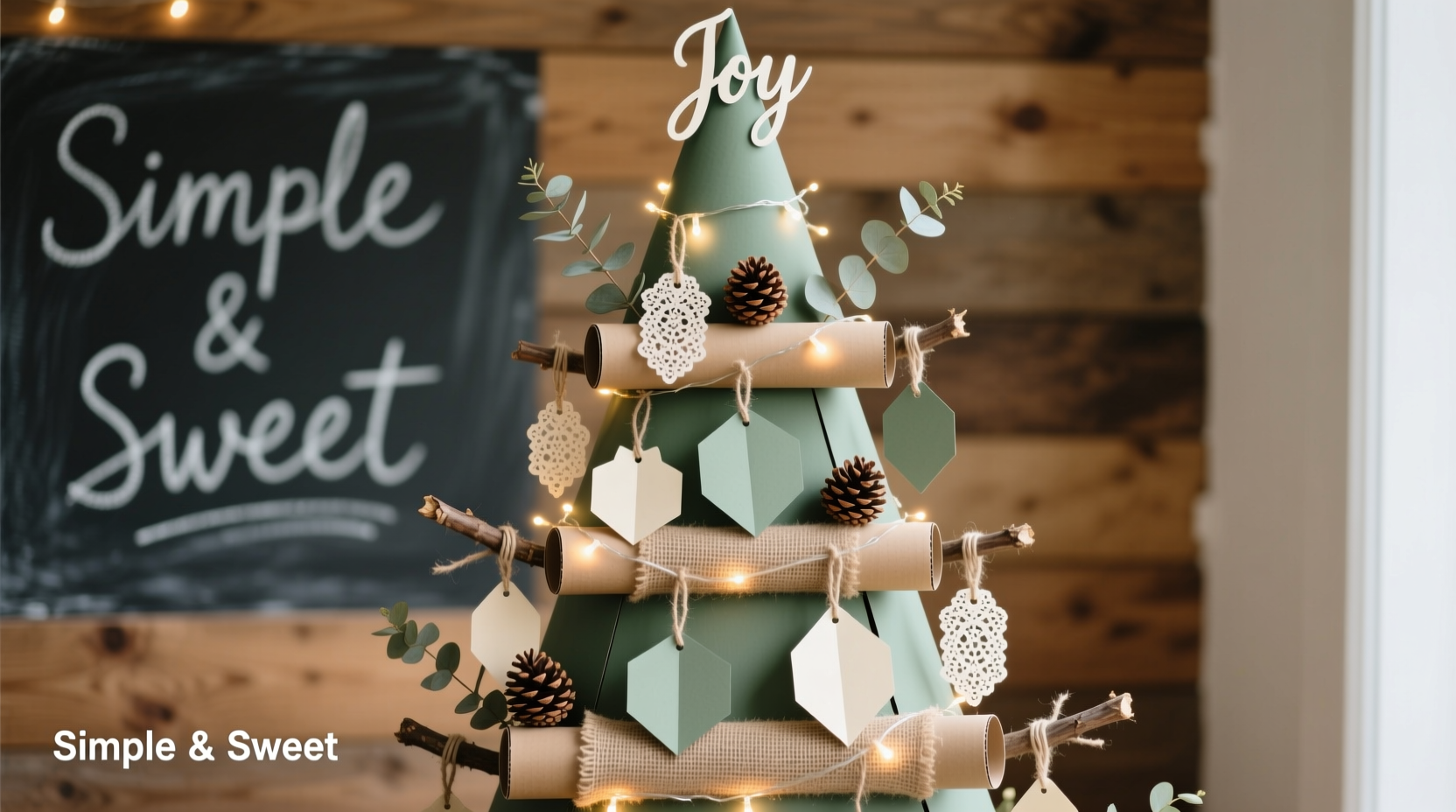
Selecting the right color sets the tone for your entire tree. A single hue doesn’t mean monotony—it means opportunity. When used thoughtfully, one color can express mood, seasonality, and personal style. Consider not just the base shade, but its undertones and how it interacts with your room’s lighting.
For example, a cool-toned white (like arctic or pearl) reflects light beautifully and works well in modern or minimalist spaces. Warm whites (ivory, cream) add coziness and pair well with wood tones. Deep reds evoke tradition, while dusty rose offers a contemporary twist. Metallics like gold, copper, or matte black can serve as a unifying neutral within a monochrome scheme.
Stick to a 3-tier approach within your palette: light, medium, and dark variations of your main color. This creates depth. For instance, a blue-themed tree might include sky blue, navy, and cobalt ornaments. Layer in metallic accents only if they complement—not compete with—the primary hue.
Step-by-Step Guide: Building Your Tree on a Budget
Creating a themed tree isn’t about buying everything new. It’s about curation, creativity, and consistency. Follow this timeline to build your tree over several weeks without financial strain.
- Week 1: Audit & Plan – Gather all existing ornaments, ribbons, lights, and tree skirts. Sort by color and condition. Identify which items fit your chosen palette and which can be repurposed or donated.
- Week 2: Define Theme & Make a List – Choose your color and decide on a sub-theme (e.g., “Winter Frost,” “Rustic Copper,” “Vintage Gold”). Write down exactly what you need: number of ornaments, type of lights, garland, tree topper.
- Week 3: Shop Smart – Visit discount stores (Dollar Tree, TJ Maxx), thrift shops, and online marketplaces. Look for plain glass balls, felt shapes, or wooden stars in your color. Buy in bulk when possible.
- Week 4: DIY Embellishments – Dedicate a weekend to crafting. Paint mismatched ornaments, dip pinecones in glitter, or make paper snowflakes. Use leftover fabric for ribbon bows.
- Week 5: Assemble & Style – Decorate the tree in layers: lights first, then garland, followed by ornaments from largest to smallest. Finish with the topper and skirt.
This phased approach prevents last-minute spending and allows time for creativity. It also makes the process enjoyable rather than stressful.
Budget-Friendly Material Sources & Alternatives
You don’t need designer decor to achieve a high-end look. Everyday materials can be transformed into elegant accents with minimal effort.
| Material | Budget Source | How to Use |
|---|---|---|
| Plain glass ornaments | Dollar Tree, craft stores | Paint with metallic spray, fill with glitter, or wrap with twine. |
| Pinecones & twigs | Nature walks, backyards | Glue on bases, spray paint in theme color, cluster as filler. |
| Fabric scraps | Old clothes, linens, thrifted scarves | Cut into ribbons, bows, or burlap garlands. |
| Paper (cardstock, scrapbook) | Craft supply leftovers | Create origami stars, folded snowflakes, or tag-style ornaments. |
| Wood slices or beads | Dollar Tree, Michaels sale section | String into garlands or paint with thematic symbols (snowmen, trees). |
One of the most effective cost-saving strategies is reusability. Design ornaments that can be stored and reused year after year. Avoid fragile or single-use decor. Instead, invest time in durable, simple pieces that reflect your aesthetic.
Mini Case Study: Sarah’s Blush Pink & Gold Tree
Sarah, a teacher in Portland, wanted a festive yet calming tree for her small apartment. With a $50 limit, she chose a blush pink and gold palette to complement her living room’s neutral tones. She began by sorting through old decorations and found 12 pink glass balls and a set of warm-white string lights. At a local thrift store, she bought three vintage gold picture frames (for the mantle, not the tree) and a length of champagne-colored tulle for $3.
She visited Dollar Tree and purchased 24 plain white ornaments. Using gold acrylic paint and a fine brush, she hand-painted delicate swirls on half and left the rest with subtle gold-dipped bottoms. She cut the tulle into long strips and twisted them into a soft garland. For filler, she collected small branches from her backyard, sprayed them with matte pink mist, and tucked them between branches to add volume.
Her final touch was a handmade topper: a folded paper star covered in gold foil, mounted on a wire base. Total spending: $47.83. The result? A serene, Instagram-worthy tree that felt luxurious despite its humble origins.
“Restriction breeds creativity. When you limit your options, you’re forced to think deeper about texture, shape, and arrangement.” — Lena Torres, Interior Stylist & Holiday Decor Consultant
Checklist: Build Your One-Color Tree Without Overspending
- ☐ Choose one dominant color and two supporting shades (light/medium/dark)
- ☐ Inventory existing decorations—keep only those matching the palette
- ☐ Set a firm budget and stick to it
- ☐ Visit discount retailers and thrift stores before buying new
- ☐ Prioritize multipurpose items (e.g., ribbon that works as garland and bow)
- ☐ Allocate 30% of budget to DIY supplies (paint, glue, glitter)
- ☐ Make at least 3 handmade ornament types
- ☐ Use lights as a foundational layer—warm white or color-matched
- ☐ Hang larger ornaments first, then medium, then small details
- ☐ Step back frequently to assess balance and fullness
This checklist ensures you stay organized and intentional. Print it or save it digitally to track progress as you go.
Common Pitfalls to Avoid
Even with a clear plan, it’s easy to undermine your theme. Here are frequent mistakes and how to prevent them:
- Overloading with variety: Too many textures or finishes (matte, glitter, shiny) in the same color can still feel chaotic. Limit to 2–3 finishes max.
- Mismatched lighting: Cool white lights on a warm-toned tree can clash. Match bulb temperature to your palette—warm white for creams/golds, daylight white for icy themes.
- Skipping the tree skirt: An unfinished base distracts from the tree. Use a solid fabric, faux fur, or even a painted crate wrapped in theme-colored paper.
- Ignoring scale: Large ornaments on a small tree overwhelm. Proportion matters—use smaller accents for trees under 6 feet.
- No focal point: Every tree needs a “resting place” for the eye. This could be a standout topper, a central garland loop, or a cluster of larger ornaments at mid-level.
Frequently Asked Questions
Can I use multiple shades of the same color and still call it a “one-color” theme?
Absolutely. A one-color theme thrives on tonal variation. Think of it like a grayscale photo—many shades, one spectrum. Just ensure all hues fall within the same family (e.g., all blues, not blue and purple). This adds dimension without breaking the theme.
What if I don’t have enough ornaments in my chosen color?
Start with lights and garland to establish the tone. Then supplement with natural elements (pinecones, dried citrus slices) painted or sprayed in your color. Handmade paper ornaments are quick, cheap, and customizable. You’ll often find that fewer, well-placed ornaments look more polished than a crowded tree.
Is it okay to include a small pop of contrast, like a red ribbon on a white tree?
Purists would say no—but the goal is a peaceful, unified look, not rigidity. If you must add contrast, keep it minimal (under 5% of total decor) and ensure it complements rather than competes. Better yet, reframe contrast as texture: a velvet ribbon in the same color provides interest without disruption.
Final Thoughts: Simplicity Is the Ultimate Sophistication
A themed Christmas tree built around a single color palette proves that beauty doesn’t come from abundance, but from intention. By focusing on harmony, texture, and smart sourcing, you create a centerpiece that feels curated and meaningful. Budget constraints aren’t limitations—they’re invitations to innovate. You’ll likely discover that the tree you made with patience and purpose becomes a cherished tradition, far more memorable than any store-bought display.




 浙公网安备
33010002000092号
浙公网安备
33010002000092号 浙B2-20120091-4
Comments
No comments yet. Why don't you start the discussion?