
A Christmas tree is more than just a centerpiece—it's a symbol of the season, a canvas for creativity, and often, a family tradition. But in the pursuit of a picture-perfect holiday display, it’s easy to go too far. Over-decorated trees can feel chaotic, overwhelming, or even tacky. The key isn’t fewer decorations, but smarter ones. A well-executed theme brings harmony, elegance, and personality to your tree while keeping clutter at bay. The goal is intentional design: thoughtful choices that reflect your style without excess.
Creating a themed tree doesn’t require expensive ornaments or professional help. It starts with a clear vision, a few strategic decisions, and the discipline to edit as you go. Whether you’re aiming for rustic charm, modern minimalism, or nostalgic warmth, a focused theme allows you to celebrate the season with authenticity and grace—without going overboard.
Start with a Clear Theme Concept
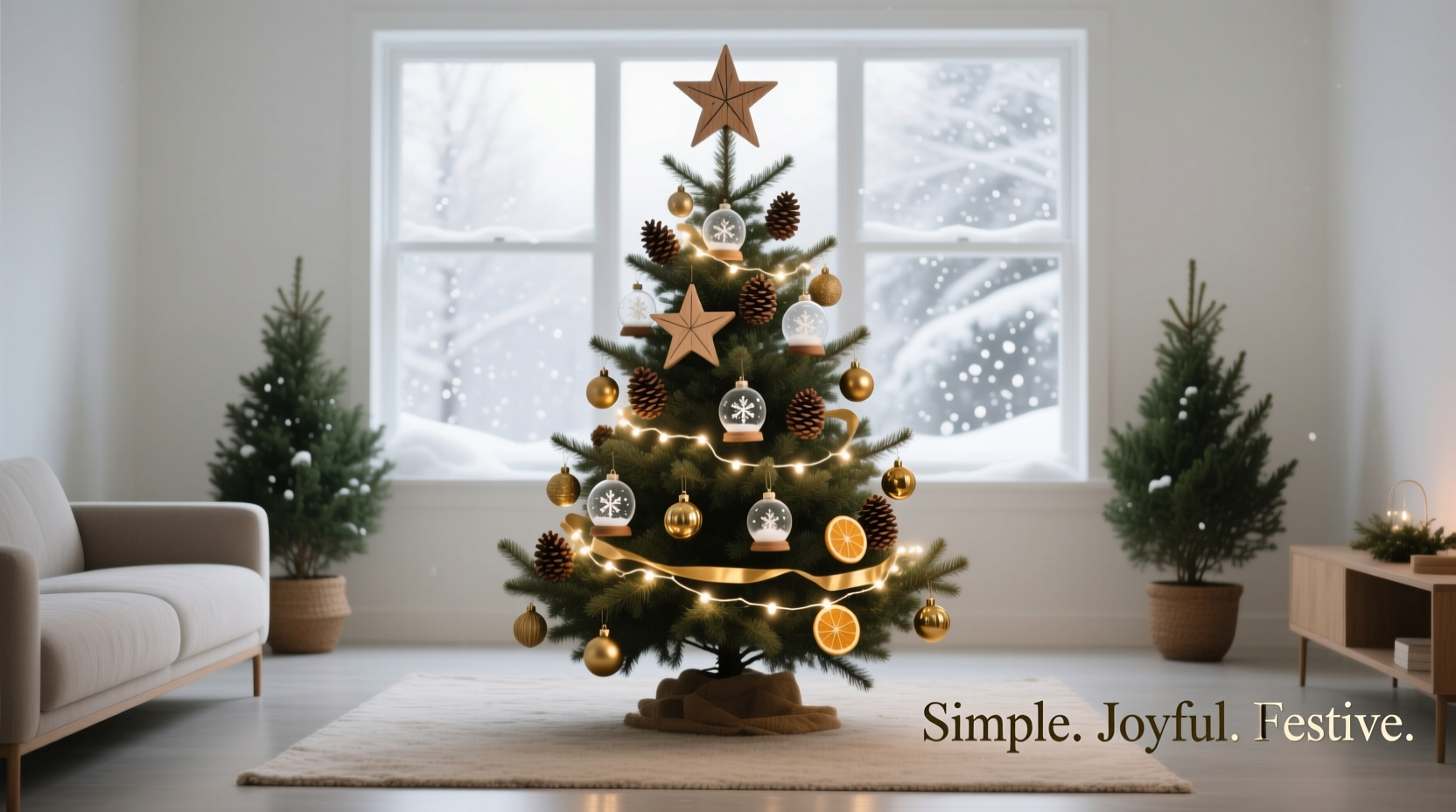
The foundation of any successful themed tree is a strong, specific concept. Vague ideas like “festive” or “pretty” won’t guide your choices. Instead, define a precise aesthetic. This could be inspired by color, era, nature, culture, or even a personal memory. For example: “vintage silver and mercury glass,” “Alpine lodge with pinecones and plaid,” or “coastal Christmas in white, blue, and seashells.”
A narrow theme helps you make confident decisions about what to include—and what to leave out. It also prevents the common pitfall of throwing on every ornament you own “because it’s Christmas.” When you have a clear direction, each addition should serve the story you’re telling.
Popular themes that balance impact with restraint include:
- Natural & Organic: Wood slices, dried citrus, linen ribbons, pine branches.
- Monochromatic Elegance: All-white, gold-and-cream, or deep emerald green.
- Vintage-Inspired: Glass baubles from the 1950s, handmade paper chains, old-fashioned tinsel.
- Literary or Musical: Ornaments shaped like books, musical notes, or quotes from carols.
- Regional Flair: Scandinavian simplicity, Southwest turquoise and cactus motifs, or New England nautical.
The best themes are both visual and emotional—they evoke a feeling, not just a look.
Choose a Cohesive Color Palette
Color is the fastest way to unify a tree. A limited palette—typically two to four colors—creates visual harmony and reduces visual noise. Even within a single theme, mismatched colors can make a tree feel disorganized.
Begin by selecting a dominant color (usually the background tone of your bulbs or garland), an accent color, and optionally, a metallic or neutral. For example:
| Theme | Dominant Color | Accent Color | Metallic/Neutral |
|---|---|---|---|
| Frosted Forest | White | Soft Blue | Silver |
| Rustic Lodge | Evergreen | Burgundy | Burlap/Tan |
| Glamour Gold | Cream | Gold | Black (for contrast) |
| Coastal Christmas | Aqua | Sand Beige | Natural Rope |
Stick to this palette strictly. If an ornament doesn’t match, don’t use it—even if it’s sentimental. You can always display off-theme pieces elsewhere, like on a mantle or in a shadow box.
“Restraint is the secret to elegance. A tree with three perfect colors will always feel richer than one crammed with ten clashing shades.” — Clara Bennett, Interior Stylist & Holiday Designer
Curate Ornaments with Intention
Ornaments are where most trees go off the rails. The temptation to hang every keepsake, gift, or bargain buy leads to visual overload. Instead, treat ornament selection like curating an art exhibit: every piece should belong.
Follow this approach:
- Edit ruthlessly. Pull out all your ornaments and sort them by color, style, and condition. Set aside anything chipped, faded, or wildly off-theme.
- Limit quantity. A good rule is 10–15 ornaments per foot of tree height. For a 7-foot tree, that’s 70–100 ornaments total—not per branch.
- Vary scale, not style. Mix small, medium, and large ornaments, but keep materials consistent. For example, in a “vintage mercury glass” theme, use different sizes of silver glass balls, not a mix of glass, plastic, and glitter.
- Use focal points. Place 3–5 standout ornaments—like handcrafted pieces or heirlooms—at eye level or near the top. Let them breathe; don’t cluster them with others.
- Incorporate texture. Combine glossy, matte, and reflective finishes to add depth without adding clutter.
Consider making some of your own ornaments to reinforce the theme. Simple DIY projects—like salt-dough shapes painted in your palette, folded paper stars, or cinnamon stick bundles—add charm and cohesion without cost or clutter.
Build Depth with Layered Lighting and Garland
Lighting is not just functional—it’s foundational. A well-lit tree appears fuller, warmer, and more inviting, even with fewer ornaments. Start with lights before adding any decor.
For a themed tree, choose bulb color carefully:
- Warm white: Classic, cozy, works with traditional and rustic themes.
- Cool white: Crisp and clean, ideal for icy or modern themes.
- Colored bulbs: Use sparingly. Best when they match your palette (e.g., blue lights for a coastal tree).
Wrap lights evenly from the trunk outward, weaving deep into branches to create a glowing core. Use 100 bulbs per foot of tree height as a baseline. Then, layer in garland or ribbon to tie the theme together.
Instead of tinsel or popcorn strings, opt for thematic garlands:
- Burlap strips for a farmhouse look
- Felt balls in your color scheme
- Pine sprigs for a forest feel
- Mini ornaments strung on wire for continuity
Apply garland in loose spirals, not tight coils. Less is more—three to five strands on a 7-foot tree is usually enough.
Real Example: The Minimalist Nordic Tree
Sarah, a graphic designer in Portland, wanted a calming holiday presence in her open-concept living space. She chose a “Minimalist Nordic” theme: white lights, natural wood ornaments, cream-colored beads, and touches of reindeer moss in small glass orbs.
She started with a slender Fraser fir and wrapped it in warm white LED lights (800 bulbs). Then, she selected only 60 ornaments—all in white, cream, or light wood tones. She placed larger wooden stars at the top and interspersed smaller bead clusters throughout. Instead of garland, she used thin cotton twine in a loose spiral.
The result was airy, serene, and unmistakably Christmassy. Guests consistently commented on how peaceful it felt. Sarah spent under $70 and reused most elements the following year. Her secret? She removed two dozen off-theme ornaments halfway through and didn’t miss them.
Step-by-Step Guide: Creating Your Themed Tree
Follow this timeline to build your tree with purpose and precision:
- Week Before Decorating: Define your theme and color palette. Gather all ornaments and supplies. Edit aggressively—set aside anything that doesn’t fit.
- Day 1 – Lights: Secure the tree in its stand. String lights first, working from bottom to top and inside out. Plug in to test coverage.
- Day 2 – Structure: Add garland or ribbon in wide spirals. Step back frequently to check balance.
- Day 3 – Ornaments: Begin with largest focal ornaments, placing them deep in the tree. Add medium and small ones last, spacing them evenly.
- Day 4 – Final Touches: Add tree topper, adjust any crooked ornaments, and place a themed tree skirt. Take photos from multiple angles to spot gaps.
- After Christmas: Carefully remove and store items by theme. Label boxes clearly for next year.
Frequently Asked Questions
Can I include sentimental ornaments that don’t match the theme?
Yes—but selectively. Choose one or two meaningful pieces and place them prominently. If they clash, consider displaying them on a nearby shelf or in a holiday memory box instead.
How do I keep a themed tree from looking too sparse?
Focus on lighting and placement. Well-distributed lights create fullness. Cluster ornaments slightly in threes for visual weight, but avoid overcrowding. A tree skirt and thoughtful placement in the room also enhance presence.
What if my family likes different styles?
Compromise with a flexible theme. “Nature-Inspired” or “Handmade Holiday” can accommodate various materials and colors while still feeling unified. Alternatively, assign each person a small branch or section to decorate within the broader theme.
Checklist: Themed Tree Success
- ✅ Choose a specific, descriptive theme
- ✅ Limit color palette to 2–4 hues
- ✅ Edit ornaments—keep only those that fit
- ✅ Use proper bulb count (100 per foot)
- ✅ Apply lights before ornaments
- ✅ Select thematic garland or skip it
- ✅ Place focal ornaments first
- ✅ Step back and assess from multiple angles
- ✅ Store components by theme for next year
Conclusion
A beautifully themed Christmas tree isn’t about how many ornaments you hang, but how thoughtfully they come together. By defining a clear vision, editing with intention, and building layers with care, you can create a tree that feels special, cohesive, and refreshingly uncluttered. The most memorable trees aren’t the fullest—they’re the ones that tell a story, reflect a home, and welcome quiet moments of joy.




 浙公网安备
33010002000092号
浙公网安备
33010002000092号 浙B2-20120091-4
Comments
No comments yet. Why don't you start the discussion?