
A Christmas tree is more than a holiday decoration—it’s the centerpiece of seasonal celebration, a symbol of warmth, tradition, and creativity. Yet even the most thoughtfully decorated trees can fall into visual chaos when too many elements compete for attention. The key to a striking display lies not in abundance, but in intentionality. A well-executed themed tree captures a mood, tells a story, and delights the eye—all while maintaining balance and harmony.
Creating a themed Christmas tree that feels curated rather than crowded requires careful planning, restraint, and an understanding of design principles. Whether you're drawn to rustic farmhouse charm, vintage glamor, or a minimalist winter wonderland, this guide will help you craft a tree that’s both cohesive and captivating—without crossing the line into clutter.
Choose a Clear Theme with Focused Inspiration
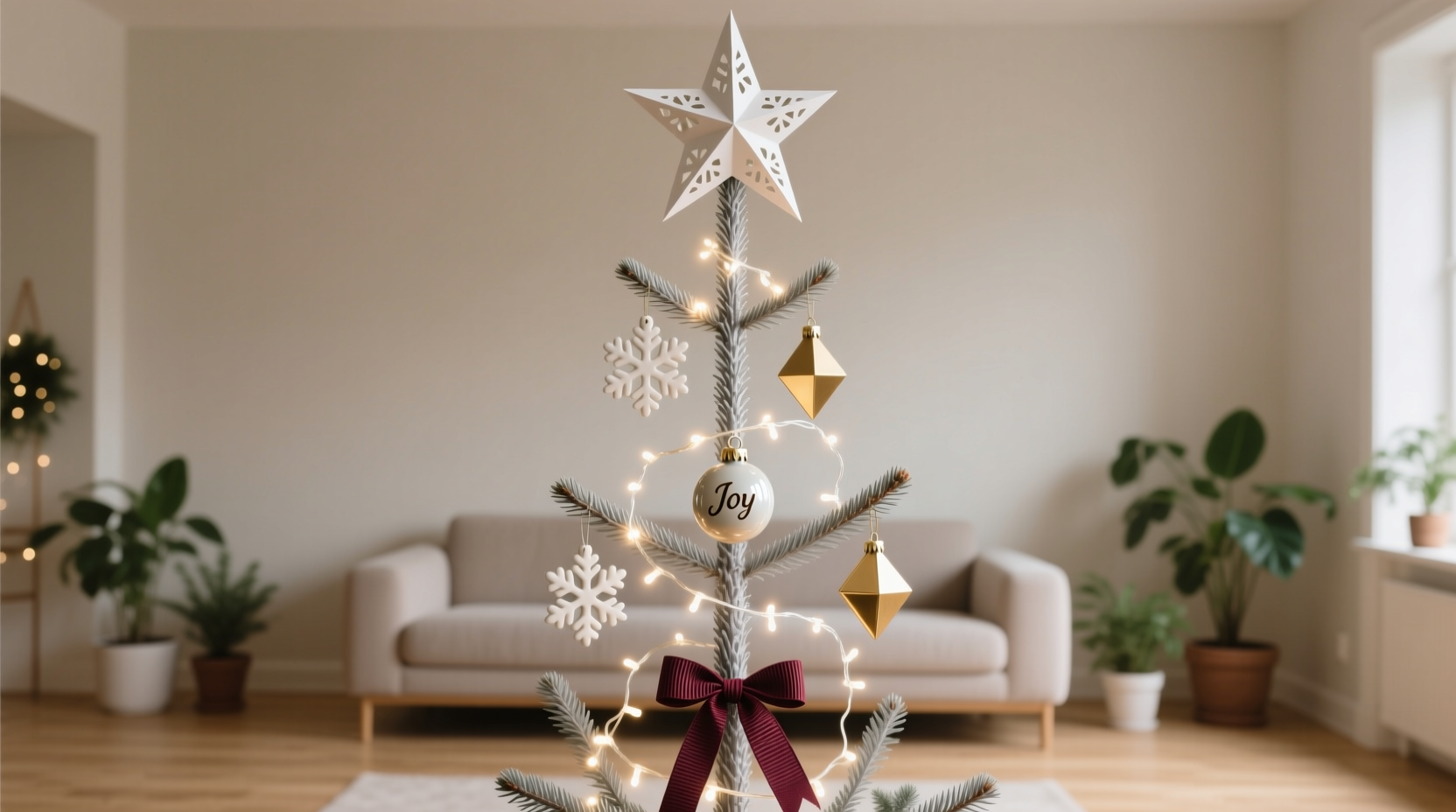
The foundation of any successful themed tree is a clearly defined concept. Vague ideas like “holiday cheer” or “winter” are too broad and often lead to haphazard decoration. Instead, narrow your vision to something specific: “vintage silver and mercury glass,” “alpine forest with pinecones and plaid,” or “coastal Christmas in white and seafoam green.”
A focused theme acts as a filter. Every ornament, ribbon, and light must align with the core idea. This doesn’t mean every item has to be identical, but each should contribute to the overall atmosphere. For example, a “vintage Hollywood glamour” tree might feature black-and-white photo ornaments, art deco starbursts, and gold netting—but would exclude bright primary colors or cartoon characters.
Limit Your Color Palette to Three Tones
One of the most common causes of visual clutter is an overloaded color scheme. Trees that mix red, green, gold, blue, pink, purple, and silver may feel festive at first glance, but they lack cohesion. Limiting your palette to three main colors—plus neutrals—creates unity and elegance.
Select one dominant color, a secondary accent, and a metallic or neutral highlight. For instance:
- Rustic Nordic: Cream (dominant), deep red (accent), natural wood (highlight)
- Mid-Century Modern: Mustard yellow (dominant), olive green (accent), brass (highlight)
- Arctic Elegance: White (dominant), pale blue (accent), silver (highlight)
This structure allows variety within boundaries. You can still include subtle gradients or patterned ornaments—as long as they fall within the established spectrum.
Apply the Rule of Proportion: Ornaments, Lights, and Negative Space
Just as in interior design, proportion matters on a Christmas tree. Overloading with ornaments overwhelms the eye. A balanced tree includes space for the eye to rest—what designers call “negative space.”
Follow this general guideline for ornament distribution:
| Tree Size | Lights (bulbs) | Ornaments (approx.) | Emphasis Areas |
|---|---|---|---|
| 5–6 ft | 300–500 | 30–40 | Top third: focal ornaments; lower: texture and volume |
| 7–8 ft | 500–700 | 50–65 | Even distribution with 2–3 statement pieces |
| 9+ ft | 700–1000 | 70–90 | Layered lighting; zones by theme or color |
Note that these numbers assume standard-sized ornaments (2.5–3 inches). Oversized or specialty pieces should be used sparingly—three to five per tree is usually sufficient.
“Less is more when it comes to ornamentation. A tree breathes better when it has room to shine.” — Clara Nguyen, Interior Stylist & Holiday Designer
Curate Ornaments with Purpose, Not Sentiment Alone
While family heirlooms and handmade ornaments carry emotional value, placing them all on one tree often results in visual disarray. The solution isn’t to discard sentiment—but to edit thoughtfully.
Designate one tree as the “memory tree” if you have space, where every ornament tells a personal story. On your themed tree, however, select only those sentimental pieces that align with the aesthetic. A hand-knit snowman may be perfect for a cozy cottage tree but out of place on a sleek modern design.
Group similar ornaments together to create rhythm. For example, cluster five matte black ball ornaments at different heights rather than scattering them randomly. This creates intentional repetition, which the eye interprets as order.
Use Textural Contrast, Not Just Visual Variety
Texture adds depth without adding visual noise. A tree with only shiny baubles can feel flat or overly reflective. Introduce contrast through materials: velvet ribbons, woven straw stars, frosted glass, burlap bows, or wooden cutouts.
When combining textures, maintain consistency in tone. A matte-finish tree with velvet ribbons and unglazed ceramics feels cohesive. Mixing high-gloss and raw burlap on a pastel-themed tree can work—if the color palette remains tight.
Step-by-Step Guide to Building a Cohesive Themed Tree
Follow this six-step process to build a tree that’s beautiful, balanced, and free of clutter:
- Define your theme and palette. Write it down. Example: “Scandinavian Winter – White, gray, natural wood, with linen ribbons and ceramic birds.”
- Gather only theme-aligned decorations. Sort through your collection and set aside anything that doesn’t fit. Store the rest.
- Start with lights. Use warm white or cool white based on your theme. Weave lights from the inside out, ensuring even coverage. Test before adding ornaments.
- Add large or statement ornaments first. Place 3–5 focal pieces evenly around the tree, slightly hidden toward the trunk for depth.
- Fill in with medium and small ornaments. Cluster similar items in groups of three or five. Alternate shapes and textures for rhythm.
- Finish with ribbon, garland, or treetopper. Choose one crowning element—a fabric bow, a wreath-style topper, or a minimalist star. Avoid stacking multiple toppers.
This method ensures layering without overcrowding. Each step builds on the last, creating dimension while preserving clarity.
Avoid Common Pitfalls: Do’s and Don’ts
Even experienced decorators make mistakes. These guidelines help you sidestep the most frequent issues:
| Do | Don't |
|---|---|
| Stick to one dominant shape (e.g., balls, teardrops) with accents of others | Mix too many shapes—stars, bells, animals, snowmen, globes—without hierarchy |
| Use ribbon as a unifying element (swags or vertical drapes) | Wrap tinsel or garland tightly around every branch |
| Balance top-heavy designs with larger ornaments lower down | Cluster all large ornaments at the top, making the tree look lopsided |
| Step back every 10 minutes to assess overall balance | Work continuously without checking from a distance |
| Label and store themed ornaments separately for next year | Throw all ornaments in one bin, risking damage and future confusion |
Real Example: Transforming a Cluttered Tree into a Calm Coastal Retreat
Sarah, a homeowner in Portland, had a 7-foot pre-lit tree she decorated annually with a mix of gifts from relatives, school crafts, and clearance finds. The result was colorful but chaotic—red elves beside seashell ornaments, glittery snowflakes next to Santa faces.
Determined to refresh her decor, she chose a “Coastal Christmas” theme: whites, driftwood grays, and soft aqua. She kept only the seashells, rope-wrapped balls, and clear glass orbs. Everything else was stored or donated.
She added battery-powered fairy lights for soft glow, draped wide ivory linen ribbon in gentle cascades, and placed three oversized jute starfish as focal points. The final touch was a simple rope-wrapped star topper.
The transformation wasn’t about buying more—it was about editing ruthlessly and styling intentionally. Her guests commented that the tree “felt peaceful,” a rare compliment for a holiday display.
Frequently Asked Questions
Can I combine two themes on one tree?
It’s possible, but risky. Combining themes—like “vintage circus” and “winter forest”—usually dilutes both. If you’re set on blending, find a unifying thread: perhaps both use red and green, or share a nostalgic tone. Otherwise, dedicate separate trees or spaces to each theme.
How do I decorate a tree with kids’ ornaments without cluttering it?
Select one or two standout handmade pieces to feature prominently. Incorporate them into your theme—for example, paint a child’s popsicle stick reindeer in metallic silver to match a glam tree. Store the rest in a keepsake box, and rotate them yearly so each piece gets its moment.
What if I already have too many ornaments?
Edit with purpose. Sort into categories: theme-compatible, sentimental, novelty. Keep only what serves your current vision. Consider creating a “kids’ tree” or donating extras to schools or shelters. Quality always trumps quantity.
Final Thoughts: Elegance Through Restraint
A truly memorable Christmas tree isn’t measured by how much it holds, but by how clearly it speaks. A themed tree that avoids clutter invites longer glances, sparks conversation, and creates a sense of calm amid the holiday rush. It reflects not just festivity, but care, vision, and taste.
The discipline of editing, the courage to leave space, and the joy of repetition are what elevate decoration into design. When you step back and see a tree that feels complete yet uncluttered, you’ve achieved more than beauty—you’ve created an experience.




 浙公网安备
33010002000092号
浙公网安备
33010002000092号 浙B2-20120091-4
Comments
No comments yet. Why don't you start the discussion?