
Creating a holiday tree inspired by an anime series is more than just placing character figurines among the branches—it’s about evoking the essence of the show through color, texture, mood, and subtle storytelling. Done well, an anime-themed tree becomes a sophisticated centerpiece that honors the artistry of the series while blending seamlessly into seasonal decor. Done poorly, it risks feeling like a toy display or a cosplay prop. The key lies in restraint, cohesion, and design intentionality.
The goal isn’t to replicate a scene from the show, but to translate its spirit into a festive yet elegant format. Whether you're drawn to the ethereal landscapes of Studio Ghibli, the bold energy of *Demon Slayer*, or the melancholic beauty of *Your Name*, your tree can reflect the soul of the series without screaming “I watch anime!” at every guest. This guide walks through how to craft such a tree with thoughtfulness and style.
Selecting the Right Anime for Thematic Translation
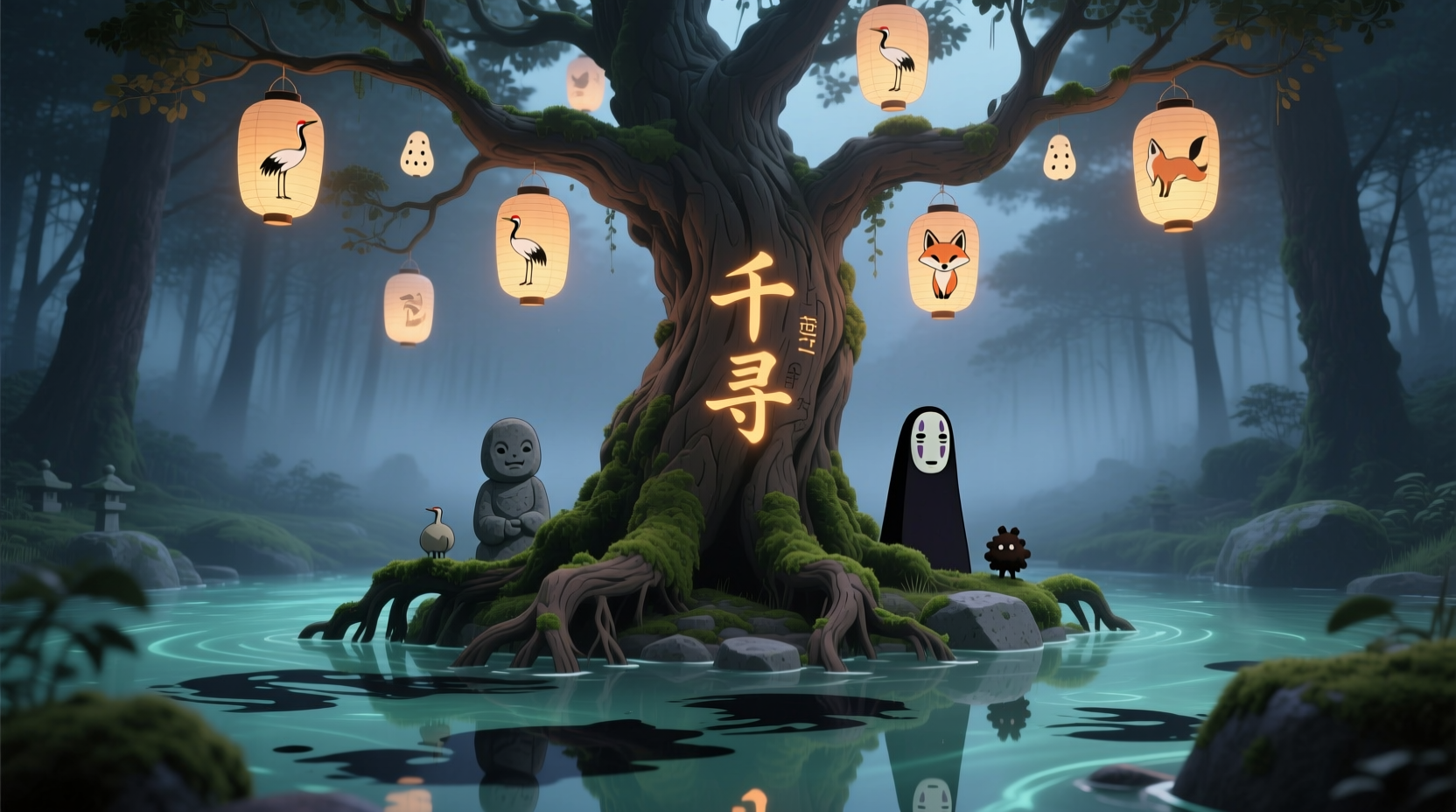
Not all anime lend themselves equally well to subtle, tasteful decoration. Some series—especially those with bright neon aesthetics or exaggerated character designs—are harder to interpret elegantly. Focus on shows with strong visual identities rooted in nature, emotion, or atmosphere. These tend to offer richer design cues beyond mere merchandise.
Consider these factors when choosing your theme:
- Color palette: Does the series use a cohesive, emotionally resonant range of colors? For example, *Spirited Away* blends soft golds, deep reds, and earthy browns—ideal for winter warmth.
- Symbolism: Are there recurring motifs—lanterns, cherry blossoms, trains, spirits—that can be abstracted into ornaments?
- Mood: Is the tone whimsical, melancholic, adventurous? Your tree should mirror this emotional core.
- Art direction: Studio Ghibli films, for instance, are known for painterly skies and natural harmony, making them excellent candidates for nuanced interpretation.
Building a Cohesive Design Language
A common mistake in themed trees is treating them as collections of random references. To avoid a cluttered, “costumey” look, treat your tree like an interior design project. Define a clear aesthetic framework before purchasing a single ornament.
Start by identifying three foundational elements:
- Primary Color Scheme: Pull 3–4 dominant hues from key scenes or promotional art. For *Your Name*, that might be twilight purples, comet-orange accents, and deep navy. Use these as your decorating baseline.
- Material Palette: Choose materials that echo the world of the anime. Linen ribbons, matte ceramics, frosted glass, or hand-carved wood feel more refined than plastic or glitter-coated trinkets.
- Narrative Thread: What story does the tree tell? A *Princess Mononoke* tree might represent the balance between nature and industry—using moss-covered bases and metallic geometric shapes in careful proportion.
Stick to one font style if using text (e.g., on tags), and limit character depictions to no more than 10% of your total ornaments. When including characters, opt for minimalist silhouettes or embroidered patches rather than molded figures.
Step-by-Step Guide to Assembling the Tree
Follow this sequence to ensure a polished result:
- Choose the right tree: A real fir or spruce works best for organic themes. For sleeker series like *Ghost in the Shell*, consider a minimalist artificial tree in white or silver.
- Lighting first: Use warm white or color-tinted LED lights that match your palette. For *Spirited Away*, soft amber lights mimic lantern glow. Space evenly for a balanced effect.
- Add ribbon or garland: Weave in fabric strips or handmade paper chains in thematic colors. Avoid tinsel unless it's matte-finish and used sparingly.
- Layer ornaments by size and weight: Begin with larger pieces near the base, then move upward. Cluster similar items but don’t over-cluster—leave breathing room.
- Incorporate symbolic elements: Hang origami cranes for *Grave of the Fireflies*, tiny paper lanterns for *Natsume’s Book of Friends*, or miniature forest animals for *My Neighbor Totoro*.
- Crown with meaning: Skip the generic star. Top the tree with something emblematic: a crescent moon for *Sailor Moon*, a small torii gate for *InuYasha*, or a handmade comet for *Your Name*.
- Ground the theme: Use a tree skirt made from kimono fabric, burlap dyed to match, or a woven mat that complements the setting of the anime.
Do’s and Don’ts: Maintaining Elegance
| Do | Don’t |
|---|---|
| Use handcrafted or artisanal ornaments that reflect the culture or setting of the anime | Hang mass-produced PVC figurines of main characters |
| Limited edition enamel pins mounted on velvet tags as hanging decor | Overload the tree with branded merchandise boxes or packaging |
| Include scented elements like cedar, sandalwood, or plum blossom oil diffusers nearby | Use novelty sound ornaments that play theme songs |
| Create custom tags with quotes written in calligraphy | Print dialogue bubbles in comic sans on laminated paper |
| Mix textures: silk, wood, ceramic, linen | Use only shiny, plastic-looking items |
Real Example: A *Spirited Away* Tree Done Right
Jessica, a graphic designer and longtime Ghibli fan, wanted to honor *Spirited Away* during her family’s holiday gathering. Rather than filling her tree with Chihiro dolls and dragon figurines, she focused on atmosphere.
She chose a full, natural pine tree and wrapped it in warm copper string lights to mimic the bathhouse lanterns. Ornaments included hand-blown glass orbs in red and gold, small wooden birds representing Haku’s true form, and rice-paper lanterns scaled to fit among the branches. She crafted a tree topper from folded copper wire shaped like a spiral—evoking both the train tracks and the film’s circular themes of return and growth.
The tree skirt was a repurposed indigo-dyed yukata, and beneath it, she placed smooth river stones and a tiny ceramic boiler resembling Kamaji’s workspace. Guests complimented the “warm, mystical vibe” without immediately recognizing the theme—until Jessica pointed out the details.
“I didn’t want it to scream ‘anime tree,’” she said. “I wanted people to feel like they’d stepped into another world.”
“Themed decor succeeds when it invites curiosity, not recognition. The best tributes aren’t literal—they’re atmospheric.” — Lena Tran, Interior Stylist & Pop Culture Exhibits Curator
Checklist: Creating a Refined Anime-Themed Tree
- ✅ Select an anime with strong visual and emotional coherence
- ✅ Define a 3–4 color palette based on key scenes
- ✅ Limit direct character representation to under 10% of decor
- ✅ Choose natural or high-quality materials (wood, glass, fabric)
- ✅ Incorporate symbolic, non-literal elements (lanterns, waves, seasons)
- ✅ Use lighting intentionally to enhance mood
- ✅ Create a custom tree topper tied to the story’s symbolism
- ✅ Ground the tree with a meaningful skirt or base display
- ✅ Edit ruthlessly—remove any item that feels “too much”
- ✅ Step back and view from a distance to assess overall harmony
Frequently Asked Questions
Can I include a small figure of the main character?
You can—but keep it subtle. Place one small, tastefully designed figurine low on the tree or beside the base, not front-and-center. Better yet, use a stylized silhouette or shadow box frame instead of a 3D model.
What if my family doesn’t know the anime? Will they get it?
They don’t need to. The goal is not instant recognition, but emotional resonance. If the tree feels peaceful, magical, or vibrant, it’s succeeded. You can always share the inspiration afterward as a conversation starter.
How do I store the decorations for reuse next year?
Treat them like heirloom ornaments. Use compartmentalized boxes, wrap fragile pieces in tissue, and label containers by theme. Store in a cool, dry place away from sunlight to preserve colors and materials.
Conclusion: Elevate Fandom into Art
An anime-themed tree doesn’t have to be a shrine to fandom—it can be a quiet celebration of storytelling, artistry, and personal connection. By focusing on mood over memorabilia, and elegance over excess, you transform what could be a novelty into a meaningful seasonal expression.
The most memorable decorations aren’t the loudest; they’re the ones that linger in the mind, inviting closer inspection and thoughtful appreciation. Let your tree reflect not just what you love, but how deeply you engage with it.




 浙公网安备
33010002000092号
浙公网安备
33010002000092号 浙B2-20120091-4
Comments
No comments yet. Why don't you start the discussion?