
In a world where smartphones are both essential tools and personal style statements, standing out starts with the details. A custom diamond phone case isn’t just protective—it’s a wearable piece of art. With the right approach, you can design a case that reflects your personality, interests, or even your favorite aesthetic motifs, all adorned with dazzling embellishments. Whether you're crafting for yourself or creating a meaningful gift, this guide walks you through every step to build a one-of-a-kind diamond-style phone case from scratch.
Understanding the Diamond Phone Case Aesthetic
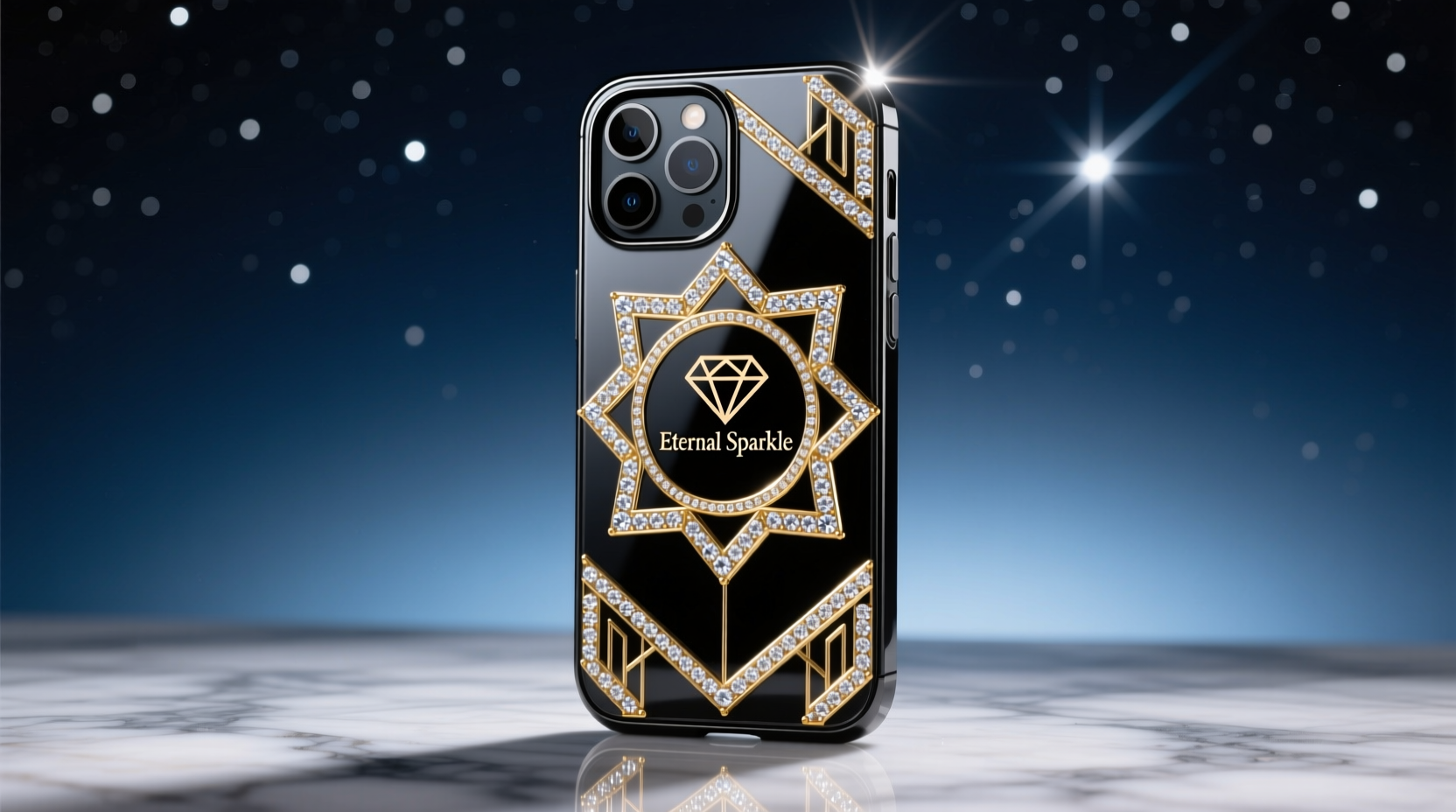
The term \"diamond phone case\" doesn't necessarily mean real gemstones—though some luxury versions use them. Most custom designs use rhinestones, acrylic gems, or resin crystals to mimic the look of diamonds. These cases combine precision, creativity, and craftsmanship to deliver a high-glamour finish. The appeal lies in customization: you choose the pattern, color palette, layout, and even symbolic elements like initials, zodiac signs, or abstract shapes.
Creating your own version allows full control over the design process. Unlike mass-produced glitter cases, a handmade diamond case can incorporate symmetry, storytelling, or asymmetrical flair exactly as you envision it. This level of personalization turns an everyday object into a statement piece.
Materials and Tools You’ll Need
Before diving into the design, gather the necessary supplies. Quality materials make a significant difference in durability and visual impact. Here’s what you should have on hand:
- Clear or colored silicone/TPU phone case (smooth surface works best)
- Assorted rhinestones, flat-back crystals, or nail art gems
- Precision tweezers
- E6000 or gem-setting adhesive (flexible, waterproof, and strong)
- Design template (hand-drawn or printed)
- Permanent marker or fine-tip paint pen (for marking placement)
- Toothpicks or wax pencils (for applying small amounts of glue)
- Rubbing alcohol and lint-free cloth (for cleaning the case)
- Optional: UV resin and curing lamp (for sealing the design)
Choose a case that fits snugly and has minimal texture. Textured surfaces make gem adhesion difficult and uneven. Clear cases offer maximum visibility for your design, while tinted ones can add depth and contrast.
Step-by-Step Guide to Crafting Your Custom Case
Follow this structured timeline to ensure a polished, durable result. Rushing any step can compromise alignment or longevity.
- Prepare your workspace: Clean, well-lit area with good ventilation. Lay down parchment paper to catch stray gems and glue.
- Clean the case: Wipe the exterior thoroughly with rubbing alcohol. Let dry completely—any residue will prevent proper adhesion.
- Solidify your design concept: Sketch your idea on paper first. Consider balance, spacing, and focal points. For symmetry, fold the paper in half to test mirroring.
- Create a placement guide: Lightly mark key positions on the case with a fine-tip marker. Use dots or tiny lines—these will be covered by gems.
- Begin setting stones: Using tweezers, pick up each gem. Apply a small drop of adhesive with a toothpick, then press the stone into place. Work from the center outward to maintain alignment.
- Allow drying time: Let the adhesive cure for at least 24 hours. E6000 requires full curing to achieve maximum strength.
- Seal (optional): For extra protection and a smooth finish, apply a thin layer of UV resin over the gems. Cure under a UV lamp in sections to avoid bubbles.
“Precision matters more than quantity. A few perfectly placed stones can have more impact than a cluttered, misaligned field.” — Lena Torres, Handcrafted Accessories Designer
Design Inspiration and Creative Approaches
Your design doesn’t need to be complex to be striking. Some of the most memorable cases use minimalist concepts executed flawlessly. Consider these approaches:
- Monogram Magic: Spell out your initial in bold cubic zirconia letters across the back.
- Night Sky Theme: Scatter varying sizes of silver and blue crystals to mimic stars and constellations.
- Floral Flourish: Create a climbing vine with pink and white stones, ending in a blooming crystal flower near the camera.
- Abstract Geometry: Use repeating triangles or hexagons in gradient colors for a modern, artistic look.
For those who love symbolism, integrate meaningful shapes—a heart for love, a moon for intuition, or interlocking circles for connection. The emotional resonance amplifies the uniqueness of your case.
Do’s and Don’ts: Best Practices Table
| Do’s | Don’ts |
|---|---|
| Use high-quality adhesive designed for crafts and flexible surfaces | Use school glue or super glue—they become brittle and crack |
| Work in small sections to maintain focus and accuracy | Try to glue all stones at once—this leads to mistakes and dried adhesive |
| Let each section dry slightly before moving adjacent areas | Touch or move the case too soon—gems may shift |
| Seal with UV resin for added shine and protection | Apply thick resin layers—these cause drips and extended curing times |
| Store finished case in a soft pouch when not in use | Drop the case on hard surfaces—impact can dislodge stones |
Real Example: Sarah’s Personalized Anniversary Gift
Sarah wanted to surprise her partner with a meaningful gift. Instead of buying another generic accessory, she created a diamond phone case featuring their wedding date in Roman numerals, flanked by two intertwined rings made from micro-rhinestones. She used a clear case and chose champagne-colored gems to match her partner’s engagement ring. After sketching the layout, she spent three evenings carefully placing over 150 stones. The final touch was a UV resin seal for a glossy, jewel-like finish. Her partner called it “the most thoughtful tech accessory I’ve ever owned,” proving that handmade beats store-bought when emotion is involved.
Frequently Asked Questions
Can I remove or reposition a stone after gluing?
Once the adhesive sets (usually after 6 hours), removal risks damaging the case or leaving residue. If you must adjust, gently heat the area with a hairdryer on low and use tweezers. However, prevention is better—double-check placement before applying glue.
How long will the stones stay on?
With proper adhesive and curing, most gems last 6–12 months under normal use. Avoid dropping the phone and regularly inspect for loose stones. Re-glue any that lift early to prevent further loss.
Is it safe to use UV resin on a phone case?
Yes, if applied thinly and cured fully. UV resin is flexible when cured and won’t yellow quickly. Ensure no excess resin covers ports or edges that affect fit.
Final Thoughts and Call to Action
Creating a unique diamond phone case is more than a craft—it’s an expression of individuality. With patience and attention to detail, you transform a functional item into a conversation starter, a keepsake, or a heartfelt gift. The process encourages mindfulness, creativity, and pride in handmade work. Every stone you place becomes part of a larger story.




 浙公网安备
33010002000092号
浙公网安备
33010002000092号 浙B2-20120091-4
Comments
No comments yet. Why don't you start the discussion?