
In today’s digital landscape, publishing a blog post is only half the battle. Getting it seen by the right audience requires strategic distribution—especially on platforms like Facebook, where organic reach has declined but engagement potential remains high. With over 2.9 billion monthly active users, Facebook offers unparalleled access to readers, communities, and niche groups. However, simply linking your blog in a status update won’t cut it. To achieve real visibility, you need a deliberate approach that combines compelling content, smart formatting, optimal timing, and community engagement.
This guide breaks down exactly how to turn your blog posts into high-performing Facebook content that drives clicks, sparks conversations, and expands your audience organically.
Understand Facebook’s Algorithm: What Actually Gets Seen
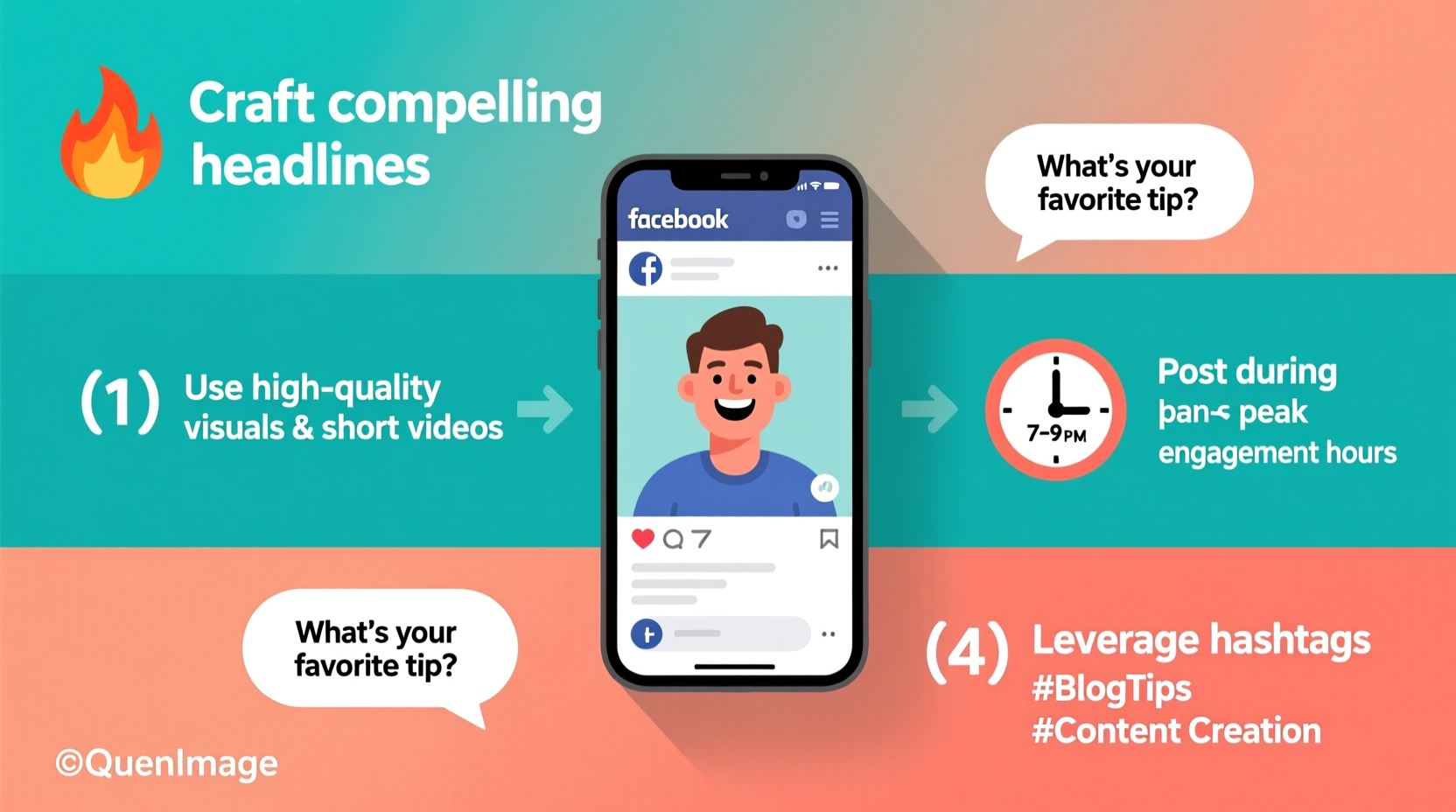
Facebook’s algorithm prioritizes content based on meaningful interactions—comments, shares, reactions, and time spent. It rewards posts that initiate conversation or evoke emotion while deprioritizing those that appear promotional or generic. This means that even if you have a loyal following, your blog link may not reach everyone unless it triggers engagement.
The key factors influencing reach include:
- Relevance Score: How well users interact with your content compared to others.
- Engagement Velocity: How quickly likes, comments, and shares accumulate after posting.
- Content Type: Native videos, carousels, and image-based posts typically outperform plain text links.
- Relationship Strength: Posts from pages people frequently interact with are shown more often.
To work with—not against—the algorithm, treat each blog promotion as a social experience rather than just a link drop.
Optimize Your Blog Post Preview for Clicks
When sharing a blog link, Facebook automatically generates a preview with a headline, description, and image pulled from your site’s metadata. If this preview looks dull or misleading, users will scroll past. Take control of how your content appears.
Ensure your website uses Open Graph (OG) tags so Facebook pulls the correct title, description, and featured image. For example:
<meta property=\"og:title\" content=\"The Ultimate Guide to Sustainable Living at Home\">
<meta property=\"og:description\" content=\"Simple, science-backed ways to reduce waste and live greener every day.\">
<meta property=\"og:image\" content=\"https://yoursite.com/images/sustainable-living.jpg\">
Without these, Facebook may use outdated or irrelevant text and images, hurting your click-through rate.
| Element | Best Practice | Avoid |
|---|---|---|
| Title | Clear, benefit-driven (e.g., “5 Ways to Save $100 Monthly”) | Vague or clickbaity (“You Won’t Believe What Happened Next!”) |
| Description | Concise summary with emotional or practical hook | Generic phrases like “Read more here” |
| Image | High-res, branded, with readable text overlay (1200x630 px) | Blurry photos or stock images with no context |
Transform Your Blog Into Native Facebook Content
Relying solely on link shares limits your reach. Instead, repurpose your blog into native Facebook formats that keep users on-platform and encourage deeper interaction.
Consider these formats:
- Carousel Posts: Turn key takeaways into swipeable slides with visuals and short captions.
- Short Video Summaries: Create a 30–60 second video summarizing your blog’s main points.
- Quote Graphics: Pull powerful statements and overlay them on branded backgrounds.
- Poll + Teaser: Ask a provocative question related to your topic, then reveal the answer in the comments with a link.
For instance, if your blog covers “7 Morning Habits of Highly Productive People,” create seven individual graphics—one per habit—and compile them into a carousel post. Users engage longer with interactive content, which signals value to the algorithm.
“Pages that focus on native, interactive content see up to 3x more reach than those relying only on external links.” — Sarah Lin, Social Media Strategist at ReachWell Agency
Strategic Timing and Audience Targeting
Posting at random times leads to missed opportunities. Each audience has peak activity windows when engagement is highest.
Use Facebook Insights to identify when your followers are most active. Generally:
- Tuesdays, Wednesdays, and Thursdays perform best for engagement.
- Mornings (7–9 AM) and evenings (6–9 PM) local time are optimal.
- B2C audiences respond well mid-week; B2B audiences engage more Tuesday–Thursday during business hours.
But data beats assumptions. Run a two-week test: post identical content types at different times and track reach and engagement. Refine your schedule accordingly.
Also, consider audience segmentation. Share your blog in relevant Facebook Groups—but follow group rules. Don’t spam. Instead, add value first. Comment thoughtfully on other posts, then share your article when it directly answers a member’s question.
Step-by-Step Guide: From Blog to Viral-Worthy Post
Follow this sequence to maximize the impact of every blog launch:
- Write with sharing in mind: Include quotable lines, surprising stats, or relatable stories that naturally invite discussion.
- Create multiple content formats: Design a teaser graphic, a short video, and a carousel version of your key points.
- Schedule your primary post: Use Meta Business Suite to publish your main update during peak hours.
- Engage immediately: In the first 30 minutes, reply to every comment and ask follow-up questions to boost velocity.
- Repurpose across formats: Post the video separately a day later, then share a quote graphic three days after.
- Boost strategically: After 24 hours, review performance. If engagement is strong, invest $10–$20 to target lookalike audiences or interest-based groups.
Mini Case Study: The Slow Growth That Led to Breakthrough
Jessica runs a wellness blog focused on plant-based nutrition. Her post “How I Reversed My Prediabetes with Whole Foods” initially got minimal traction when shared as a plain link. She revised her strategy:
- Created a 45-second video summarizing her journey with before/after visuals.
- Posted it natively with the caption: “My doctor said I’d need medication. I chose food instead. Here’s what changed.”
- Shared it in three diabetes-awareness Facebook Groups with permission, adding personal context.
- Responded to every comment, including recipe requests and skepticism.
Within five days, the post reached over 85,000 people organically, drove 1,200 blog visits, and earned 300 new email subscribers. The lesson? Authentic storytelling combined with platform-native formatting multiplies reach.
Essential Checklist Before Sharing Any Blog Post
Run through this checklist every time you promote a new article:
- ✅ Ensure OG tags are correctly set on the blog page.
- ✅ Craft a custom, curiosity-driven caption (not just the blog title).
- ✅ Use a high-quality, branded image or video thumbnail.
- ✅ Tag relevant experts or influencers mentioned in the post (with permission).
- ✅ Include a clear call-to-action: “Click to read the full guide,” “Tag someone who needs this,” or “Share your experience below.”
- ✅ Schedule follow-up shares (at 3 days, 1 week, and 2 weeks) with varied messaging.
Frequently Asked Questions
Should I always use hashtags on Facebook?
Limited use works best. 1–2 relevant hashtags (e.g., #HealthyEatingTips or #DigitalMarketingGuide) can improve discoverability, especially in niche communities. Avoid overloading—more than three looks spammy.
Why isn’t my blog getting clicks even with good engagement?
You might be creating “engagement bait” without a clear purpose. Make sure your caption teases value but doesn’t give everything away. Example: Instead of “Here are 5 budget tips,” say “One of these saved me $200 last month—can you guess which?” Then link to the blog for the full list.
Can I automate blog sharing on Facebook?
Yes, tools like Buffer, Hootsuite, or Meta Business Suite allow scheduling. But avoid fully automated posting without human interaction. Engagement drops significantly when no one responds to comments. Schedule the post, but stay present afterward.
Conclusion: Turn Readers Into Advocates
Creating great blog content is an achievement—but sharing it effectively is what turns effort into impact. On Facebook, success isn’t about shouting louder; it’s about starting conversations, offering value, and building trust over time. By optimizing previews, embracing native formats, posting strategically, and engaging authentically, you position your blog not just to be seen, but to be shared.




 浙公网安备
33010002000092号
浙公网安备
33010002000092号 浙B2-20120091-4
Comments
No comments yet. Why don't you start the discussion?