
In a marketplace crowded with competitors, trust is the currency that determines whether customers choose you—or walk away. A strong brand isn’t just about a logo or color scheme; it’s about consistency, authenticity, and emotional connection. When done right, branding becomes a silent ambassador for your business, earning credibility and driving sustainable growth. The most successful companies don’t sell products—they sell promises, values, and experiences. This article explores how to craft a brand identity that earns trust and fuels long-term success.
The Foundation of Trust-Based Branding
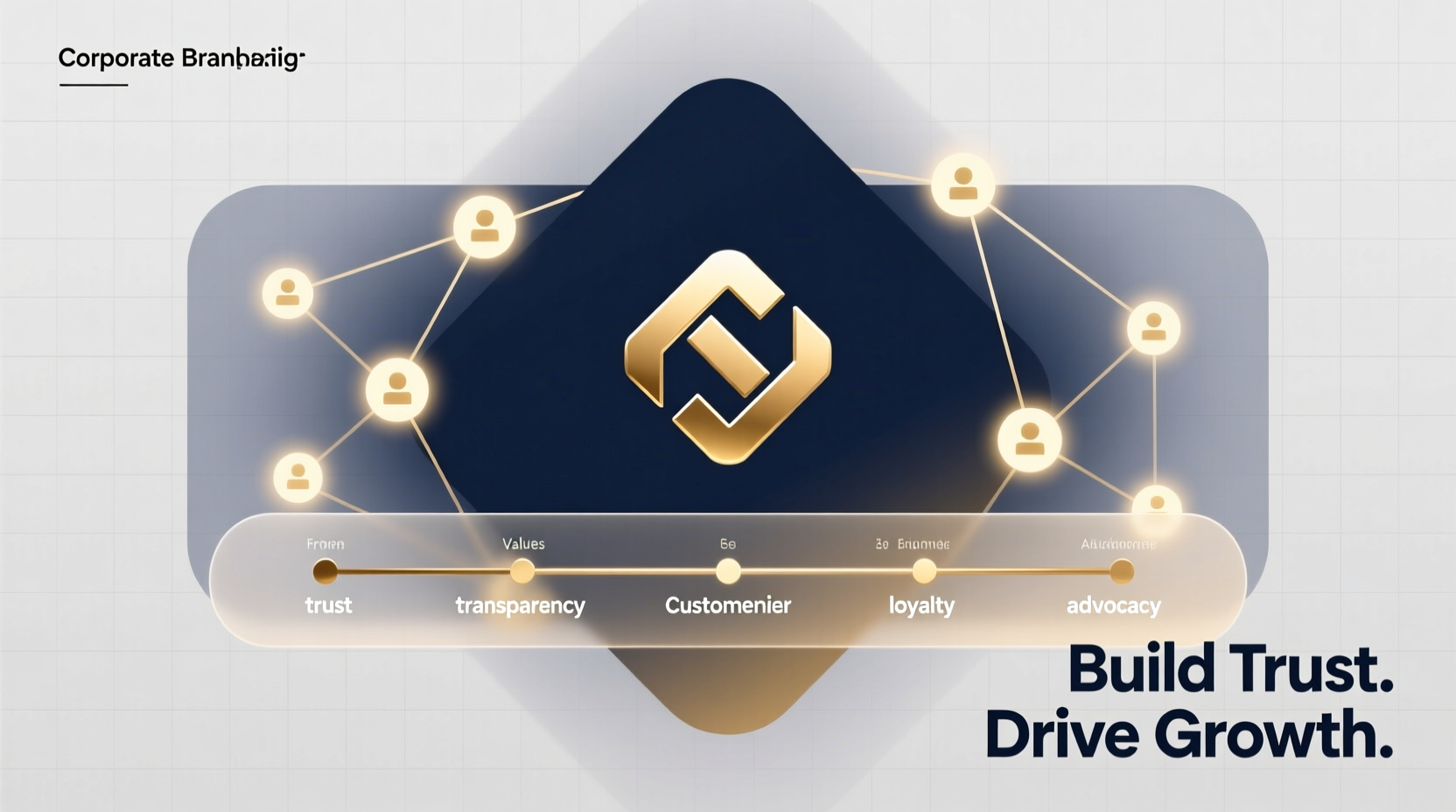
Trust doesn’t happen overnight. It’s built through repeated positive interactions across every touchpoint—from your website copy to customer service to packaging. At its core, trust-based branding rests on three pillars: clarity, consistency, and credibility.
- Clarity: Your audience should instantly understand who you are, what you do, and why it matters.
- Consistency: Every message, visual, and interaction reinforces the same core identity.
- Credibility: You back up your claims with proof—testimonials, case studies, certifications, or transparent practices.
A brand that lacks clarity confuses people. One that lacks consistency feels unreliable. And one without credibility simply isn’t believed. Align these elements, and you lay the groundwork for lasting trust.
Developing a Consistent and Authentic Brand Identity
Your brand identity is more than aesthetics—it’s the personality of your business. From tone of voice to design language, every element should reflect the same authentic character.
Begin with your visual identity: logo, typography, color palette, and imagery. These should align with your brand’s essence. For example, a luxury skincare brand might use soft neutrals, elegant serif fonts, and minimalist layouts to convey sophistication. In contrast, a youth fitness app may opt for bold colors, dynamic graphics, and energetic sans-serif typefaces.
Equally important is your verbal identity. Is your tone formal or conversational? Playful or authoritative? Choose a voice that resonates with your target audience and stick to it across emails, social media, ads, and support interactions.
“People don’t buy what you do; they buy why you do it.” — Simon Sinek, author of *Start With Why*
Sinek’s insight underscores the importance of purpose-driven branding. Customers trust brands that stand for something beyond profit. Whether it’s sustainability, innovation, or community empowerment, your “why” should be visible and consistent.
Step-by-Step Guide to Building a Trust-Worthy Brand
Creating a trustworthy brand is a deliberate process. Follow this six-step framework to build a foundation that supports both credibility and growth:
- Define your core values: Identify 3–5 guiding principles that shape your business decisions.
- Understand your audience deeply: Create detailed buyer personas including pain points, motivations, and communication preferences.
- Map your customer journey: Identify key touchpoints where trust can be built or broken.
- Design consistent brand assets: Develop a style guide covering logos, colors, fonts, voice, and image usage.
- Communicate transparency: Share behind-the-scenes stories, pricing models, sourcing practices, or challenges openly.
- Deliver on promises consistently: Ensure every product, service, and interaction meets or exceeds expectations.
This process isn’t linear—it requires ongoing refinement. But each step strengthens the perception that your brand is reliable, intentional, and worthy of loyalty.
Real Example: How Patagonia Built Trust Through Purpose
Outdoor apparel company Patagonia offers a masterclass in trust-based branding. From its inception, the brand has centered on environmental activism—not as a marketing tactic, but as a core operational principle.
In 2011, Patagonia ran a full-page ad in The New York Times with the headline: “Don’t Buy This Jacket.” The campaign urged consumers to consider the environmental cost of overconsumption—a radical move for any retailer. Rather than hurting sales, it deepened customer loyalty.
Why did it work? Because Patagonia had spent decades proving its commitment. They donate 1% of sales to environmental causes, repair worn gear instead of pushing replacements, and publicly advocate for climate policy. Their actions match their messaging.
The result? Customers don’t just buy jackets—they join a movement. That emotional alignment builds unshakable trust and drives organic growth through word-of-mouth and advocacy.
Common Branding Mistakes That Erode Trust
Even well-intentioned brands can undermine trust through inconsistent or misleading practices. Avoid these common pitfalls:
| Mistake | Impact | Solution |
|---|---|---|
| Inconsistent messaging across platforms | Confuses audience; weakens recognition | Create and enforce a brand style guide |
| Overpromising and underdelivering | Breaks credibility; damages reputation | Set realistic expectations and exceed them quietly |
| Lack of transparency (e.g., hidden fees, vague sourcing) | Creates suspicion; reduces loyalty | Disclose policies clearly and proactively |
| Copying competitors’ branding | Appears inauthentic; fails to differentiate | Focus on your unique story and values |
Checklist: 7 Actions to Strengthen Brand Trust Immediately
- ✅ Clarify your brand mission and share it on your website’s About page.
- ✅ Publish customer testimonials or case studies prominently.
- ✅ Add an SSL certificate and privacy policy to boost online security trust.
- ✅ Respond to customer inquiries within 24 hours to show reliability.
- ✅ Use real photos of your team or workspace to humanize your brand.
- ✅ Display trust badges (e.g., secure checkout, money-back guarantee) at checkout.
- ✅ Share updates about your business ethics, sourcing, or community impact.
Frequently Asked Questions
How long does it take to build brand trust?
There’s no fixed timeline—trust accumulates through consistent behavior. Some brands gain traction in months; others take years. The key is persistence. One study found that it takes an average of 5 to 7 touchpoints before a customer feels comfortable purchasing from a new brand.
Can small businesses compete with big brands in building trust?
Absolutely. Smaller brands often have an advantage: agility and authenticity. Customers increasingly favor businesses that feel personal and transparent. By focusing on niche audiences, telling genuine stories, and delivering exceptional service, small brands can out-trust larger, impersonal corporations.
Is rebranding necessary to build trust?
Not necessarily. Rebranding can help if your current image is inconsistent or misaligned with your values. But trust is more about behavior than appearance. Many companies strengthen trust without changing their logo—by improving customer experience, increasing transparency, or engaging authentically with their audience.
Conclusion: Turn Trust Into Growth
Trust is not a side benefit of good branding—it’s the foundation. When customers believe in your brand, they don’t just make a purchase; they become advocates, repeat buyers, and loyal supporters. That kind of engagement doesn’t come from flashy ads or aggressive sales tactics. It comes from showing up consistently, standing for something meaningful, and treating people with respect.
Start today. Revisit your brand’s core message. Audit your customer touchpoints. Ask yourself: Does every part of my brand communicate honesty, reliability, and value? Small, intentional changes compound into powerful results. Build trust deliberately, and watch your business grow not just in size—but in impact.




 浙公网安备
33010002000092号
浙公网安备
33010002000092号 浙B2-20120091-4
Comments
No comments yet. Why don't you start the discussion?