
In an age dominated by 15-second clips and rapid-scrolling feeds, long-form video stands out not because it's trendy, but because it builds trust, depth, and lasting audience connection. While short videos attract attention, full-length content—from 8 to 20 minutes or more—drives subscriber growth, deeper engagement, and algorithmic favor on platforms like YouTube. The challenge isn’t just making longer videos; it’s making them compelling from start to finish. This guide breaks down how to plan, produce, and perfect long-form videos that keep viewers watching, learning, and returning.
Why Full-Length Videos Matter More Than Ever
Despite the rise of TikTok and Instagram Reels, platforms are rewarding in-depth content. YouTube’s algorithm prioritizes watch time and session duration—both of which long-form videos naturally support. A well-structured 12-minute video that holds attention performs better than three disjointed shorts with low retention.
Longer videos allow for nuanced storytelling, detailed tutorials, layered arguments, and emotional arcs. They position creators as authorities, foster community, and open monetization paths through ads, sponsorships, and memberships. But length without purpose backfires. Viewers abandon videos that feel padded, unfocused, or slow.
“Depth is the new virality. Audiences aren’t just looking for quick hits—they want substance they can invest in.” — Maya Tran, Video Strategy Consultant at CreatorLift
Step-by-Step Guide to Creating Engaging Long-Form Content
Creating a full-length video that sustains interest requires deliberate planning and execution. Follow this proven framework:
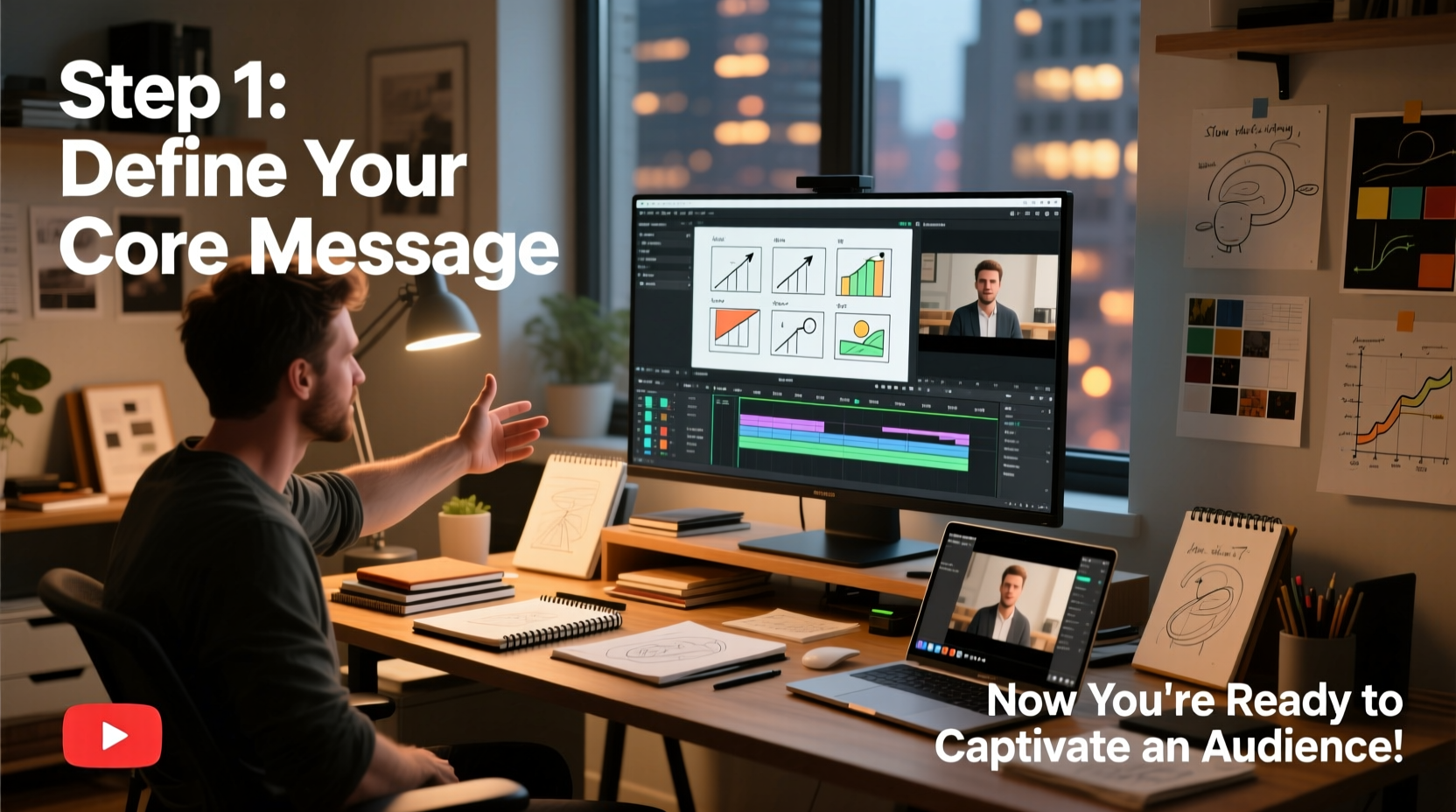
- Define Your Core Message: Identify one central idea your video will explore. Example: “How to build a sustainable morning routine” instead of “Life hacks.”
- Research Audience Pain Points: Use comments, forums, or keyword tools (like AnswerThePublic) to find what questions people actually have about your topic.
- Structure with a Narrative Arc: Open with a hook, introduce tension or curiosity, deliver value in acts, and close with resolution and call-to-action.
- Write a Detailed Script or Outline: Avoid rambling. Even if you don’t read verbatim, having talking points ensures clarity and pacing.
- Record with Intention: Minimize distractions, use quality audio, and shoot multiple takes if needed. Confidence builds viewer trust.
- Edit for Pace and Clarity: Cut filler words, tighten transitions, add B-roll or graphics where helpful, and maintain rhythm.
- Add Strategic Engagement Cues: Ask questions, prompt comments, and use verbal cues like “Stick around—we’re covering X next.”
- Optimize Title, Thumbnail, and Description: These determine click-through rate. Be specific: “I Tried Waking Up at 5 AM for 30 Days—Here’s What Changed” works better than “My Morning Routine.”
Essential Storytelling Techniques for Retention
The key difference between watched and abandoned long videos is narrative momentum. Use these storytelling methods to keep viewers engaged:
- The Hook-Loop-Hook Method: Start with a bold statement (“This one habit cost me two years of progress”), then tease upcoming sections (“Later, I’ll show you the exact checklist I used to fix it”).
- Mini-Stories Within Segments: Break up educational content with personal anecdotes or case examples. Stories humanize data.
- Pacing Through Variety: Alternate between speaking to camera, screen recordings, cutaways, and visuals every 30–60 seconds to reset attention.
- Midpoint Resets: Around the 40–60% mark, restate the value: “So far we’ve covered X and Y. Now, let’s dive into the most overlooked part—Z.”
Checklist: Pre-Publishing Review for Long-Form Videos
Before uploading, run through this essential checklist to ensure quality and engagement:
- ✅ Is the first 15 seconds compelling? (No “Hi everyone, today I’ll talk about…”)
- ✅ Does each segment clearly advance the main idea?
- ✅ Are there visual or verbal cues every 60 seconds to maintain focus?
- ✅ Is audio clean and free of background noise?
- ✅ Have I removed redundant explanations or tangents?
- ✅ Does the ending include a clear call-to-action (subscribe, comment, watch next)?
- ✅ Is the title specific and benefit-driven?
- ✅ Does the thumbnail contrast well and feature readable text or emotion?
Do’s and Don’ts of Long-Form Video Production
| Do | Don’t |
|---|---|
| Open with a question, problem, or surprising fact | Start with lengthy introductions or disclaimers |
| Use chapter markers in the description for navigation | Assume viewers will scroll through timestamps |
| Break scripts into timed segments (e.g., 0–2 min: hook, 2–5 min: problem) | Wing the structure during recording |
| Reinforce key points with on-screen text or graphics | Rely solely on voice for critical information |
| End with a strong takeaway and engagement ask | Fade out silently or abruptly stop |
A Real Example: How One Creator Doubled Watch Time
Sophie Kim, a productivity YouTuber with 45K subscribers, struggled with declining retention on her 10-minute videos. Her early uploads followed a standard format: “Top 5 Tips for Focus,” listed without context.
After analyzing audience feedback, she redesigned her approach. For her next video—“Why I Quit Time-Blocking (And What I Did Instead)”—she opened with a personal failure: “I followed every expert’s advice, yet my focus got worse.” She structured the video around her journey, using timestamps to guide viewers through diagnosis, experimentation, and results.
The shift was immediate. Average view duration increased from 48% to 82%. Comments reflected deeper engagement: “I’ve been struggling with the same thing,” and “Your solution actually worked for me.” By framing expertise within a relatable story, Sophie transformed passive viewers into active participants.
Frequently Asked Questions
How long should a full-length video be?
There’s no universal ideal length. Aim for as long as necessary to cover the topic thoroughly—but no longer. Most high-retention videos fall between 8 and 15 minutes. Let content dictate duration, not arbitrary targets.
Can I repurpose long videos into shorts?
Absolutely—and you should. Extract 3–5 compelling moments (a tip, a story beat, a visual demo) and post them as shorts with a link to the full video. This drives discovery while reinforcing your long-form library.
What if my audience is used to short content?
Transition gradually. Start with 6-minute videos that feel dense and fast-paced. Use strong hooks and frequent value drops. Over time, increase length as viewers signal readiness through watch time and comments.
Mastery Comes From Practice, Not Perfection
Creating engaging long-form videos isn’t about having expensive gear or flawless delivery. It’s about serving your audience with intention, structure, and authenticity. Every great long video starts as a rough outline, a shaky first take, or an edit that took twice as long as expected. The ones that succeed are those revised with audience experience in mind.




 浙公网安备
33010002000092号
浙公网安备
33010002000092号 浙B2-20120091-4
Comments
No comments yet. Why don't you start the discussion?