
Many home cooks assume that smoked paprika is simply a different variety of paprika grown in a smoky region or processed differently at the source. In reality, the smokiness comes not from genetics but from post-harvest treatment—specifically, the drying process. True smoked paprika (pimentón) originates in Spain, where red peppers are slowly dried over oak or beechwood fires, infusing them with deep, aromatic smoke before being ground into powder. While you cannot fully replicate this artisanal method at home without access to whole smoked chiles, it is possible to approximate the essence of smoked paprika using regular paprika through controlled smoking techniques. This guide explores practical, safe, and effective ways to transform standard sweet or hot paprika into a smoky variant, explains the science behind the flavor transformation, and provides culinary context for its use.
Definition & Overview
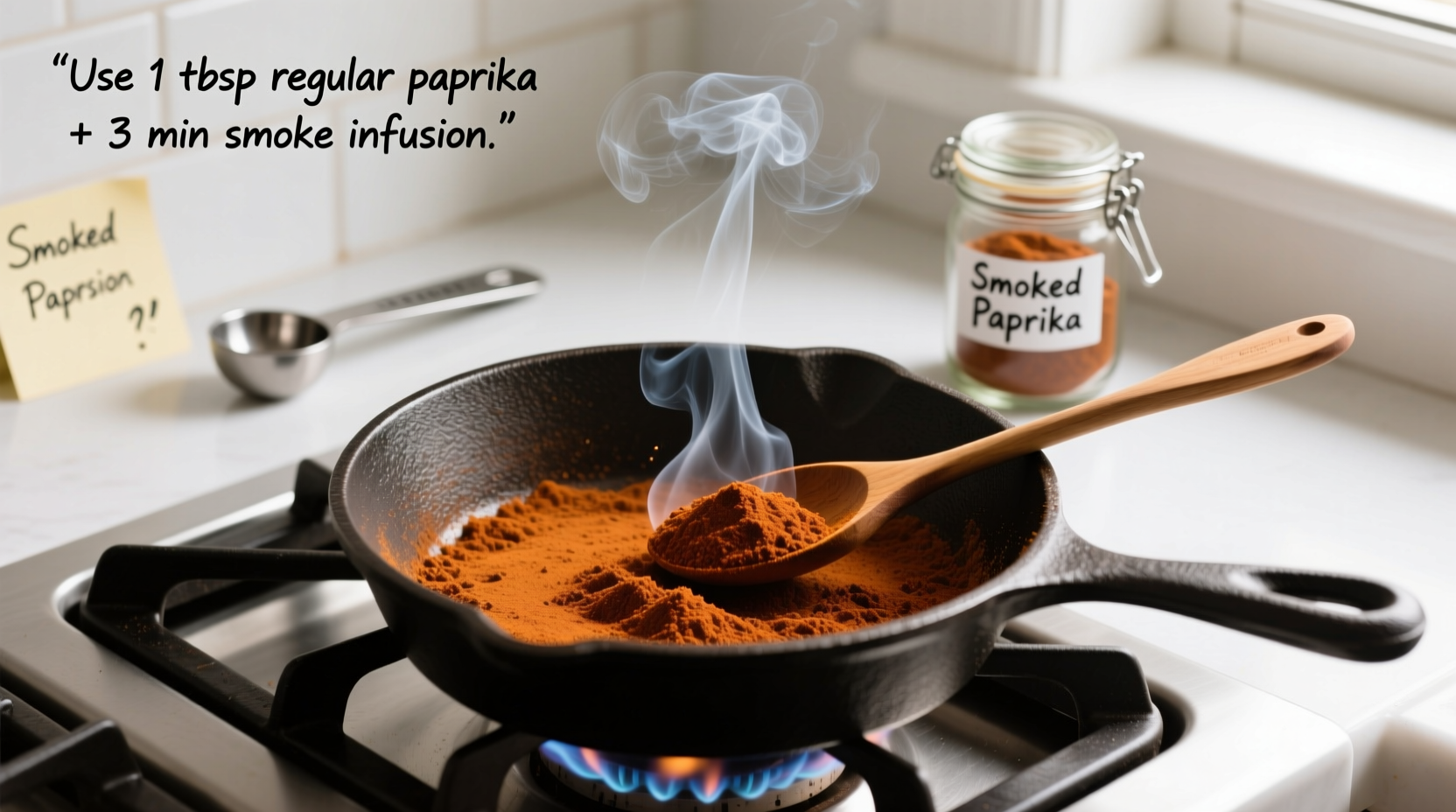
Paprika is a ground spice made from dried Capsicum annuum peppers—typically bell peppers, cherry peppers, or mild chili varieties. Originating in Central Mexico and later adopted in Hungarian and Spanish cuisines, it now exists in dozens of regional forms. The most common types found globally are sweet (mild), hot (picante), and smoked (dulce, picante, or agrio, depending on heat level).
Smoked paprika, known as pimentón de la Vera in Spain, is produced in Extremadura, where peppers are dried over wood fires for up to two weeks. This slow exposure imparts a rich, campfire-like aroma and a complex depth absent in air-dried versions. The result is a spice that enhances stews, rubs, sauces, and roasted vegetables with a subtle, savory smoke.
Regular paprika, by contrast, is typically sun-dried or oven-dried without smoke exposure, yielding a bright, vegetal pepper flavor with varying degrees of sweetness or heat. It lacks the layered umami associated with true smoked paprika.
The core challenge in “creating” smoked paprika from regular paprika lies in the fact that once ground, the spice has already lost its structural integrity and surface area needed to effectively absorb smoke compounds. Therefore, any attempt to smoke pre-ground paprika must be approached with caution and precision to avoid burning, bitterness, or degradation of volatile oils.
Key Characteristics
| Characteristic | Regular Paprika | True Smoked Paprika | Homemade Smoked Version (Approximated) |
|---|---|---|---|
| Flavor Profile | Sweet, earthy, mildly peppery; can be sharp when heated | Deeply smoky, slightly sweet or spicy, with long finish | Light to moderate smoke note; base flavor depends on starting paprika |
| Aroma | Fresh pepper, hay-like, sometimes dusty | Woody, charred wood, warm embers | Subtle smoke if done correctly; risk of acrid smell if overheated |
| Color | Bright red to orange-red | Ruby-red to dark brick red | Slight darkening possible; may fade faster due to oxidation |
| Heat Level | Mild (0–500 SHU) to Hot (up to 8,000 SHU) | Dulce (sweet), Agridulce (medium), Picante (hot); same range | Matches original heat level of base paprika |
| Culinary Function | Colorant, mild seasoning, garnish | Flavor builder, depth enhancer, centerpiece in dishes like chorizo or patatas bravas | Limited enhancement; best used in blends or short-cook recipes |
| Shelf Life | 12–18 months unopened; 6–9 months opened | 12–18 months; smoke compounds help preserve slightly longer | Reduced shelf life: 3–6 months due to increased oxidation risk |
Practical Usage: Can You Smoke Ground Paprika?
The direct answer is: **not effectively, and not safely using conventional methods**. Once paprika is ground, its large surface-area-to-mass ratio makes it extremely susceptible to scorching. Exposing fine powder directly to open flame, grill grates, or even strong smoke generators (like smoke guns) often results in burnt, bitter flavors rather than desirable smokiness.
However, there are indirect, low-risk approaches to impart a smoky character to regular paprika. These rely on infusing the smoke flavor into a medium that carries the paprika, rather than treating the spice itself.
Method 1: Cold-Smoking via Enclosure (Best for Flavor Control)
This technique uses a cold-smoking chamber or DIY setup to expose paprika—mixed with a carrier—to smoke without heat.
- Mix 1 tablespoon of regular paprika with 2 tablespoons of raw rice or uncooked lentils in a shallow ceramic dish. The grains act as a heat buffer and increase surface area for smoke absorption.
- Place the mixture inside a sealed container (e.g., a glass terrarium, cold smoker box, or repurposed aquarium with lid).
- Use a handheld smoke gun or external smoke generator with applewood, hickory, or cherrywood chips to inject clean, cool smoke into the chamber for 15–20 minutes.
- Remove the mixture and allow it to rest, covered, for 1 hour to stabilize.
- Sift out the grains, retaining only the paprika.
- Store in an airtight jar away from light.
This method avoids thermal degradation and allows delicate phenolic compounds from the smoke to adhere to the paprika particles. The resulting spice will have a perceptible, though milder, smoky nuance.
Pro Tip: Never use liquid smoke as a substitute in this process. Liquid smoke is highly concentrated and chemically processed; adding it directly to paprika creates an artificial, medicinal taste. Use only real wood smoke.
Method 2: Infusion Through Oil or Fat
Instead of altering the paprika itself, blend it with a smoked fat or oil to achieve a similar effect in cooking.
- Smoke a small batch of neutral oil (like grapeseed or sunflower) using a smoke gun for 2–3 minutes.
- Stir ½ teaspoon of regular paprika into 1 tablespoon of the smoked oil just before using in dressings, marinades, or finishing sauces.
This preserves the integrity of the paprika while delivering both color and smoky depth simultaneously. Ideal for aiolis, vinaigrettes, or drizzling over hummus.
Method 3: Layering with Smoked Ingredients
In practice, many chefs simulate smoked paprika by combining regular paprika with other smoked elements already present in the dish.
For example:
- Add ¼ teaspoon smoked sea salt + 1 teaspoon regular paprika per serving in bean stews.
- Use smoked garlic (roasted in a smoker) alongside paprika in rubs.
- Blend paprika into smoked tomato paste for paella or romesco sauce.
This layered approach builds complexity more naturally than trying to modify the spice alone.
Variants & Types of Smoked Paprika
Understanding commercial smoked paprika helps contextualize what you're aiming to emulate. Authentic Spanish pimentón comes in three primary forms:
- Pimentón Dulce: Sweet smoked paprika; made from ripened red peppers, no heat. Most versatile for soups, rice dishes, and dairy-based sauces.
- Pimentón Agridulce: Bittersweet or semi-spicy; balanced between fruitiness and mild heat. Common in cured meats and vegetable tapas.
- Pimentón Picante: Spicy smoked paprika; includes hotter pepper varieties. Used in chorizo, stews, and robust meat dishes.
These are regulated under Protected Geographical Indication (PGI) status in the EU, meaning only paprika dried in La Vera, Cáceres, can legally bear the name. Outside Spain, \"smoked paprika\" labels may vary widely in quality and authenticity.
When attempting to mimic these types at home, start with the appropriate base:
- Use sweet regular paprika to approximate dulce.
- Use hot paprika for picante-style results.
- For agridulce, blend half sweet, half hot paprika before smoking.
Comparison with Similar Ingredients
Several spices are confused with or substituted for smoked paprika, but each plays a distinct role.
| Ingredient | Flavor Profile | Can Substitute for Smoked Paprika? | Notes |
|---|---|---|---|
| Chipotle Powder | Smoky + spicy (smoked jalapeño) | Limited; adds heat and smoke but lacks sweetness | Use ⅓ amount to avoid overpowering heat |
| Regular Paprika | Peppery, sweet, no smoke | No; missing key smoky dimension | Only acceptable if combined with smoked salt or wood smoke infusion |
| Guajillo Powder | Tangy, berry-like, mild heat | No; not smoked unless specified | Often mislabeled as “Mexican paprika” |
| Espelette Pepper | Earthy, mild heat, faint fruitiness | No; French Basque origin, not smoked | More nuanced than paprika but unrelated to smokiness |
| Smoked Salt | Salty + smoky | Partially; enhances smoke but doesn’t replace color or pepper base | Best used in combination with regular paprika |
\"You can't fake pimentón. But you can build toward its spirit by layering smoke thoughtfully—not through one ingredient, but through technique.\" — Chef Elena Ruiz, Culinary Instructor, Basque Cooking Academy
Practical Tips & FAQs
Can I use a kitchen torch to smoke paprika?
No. A torch applies intense, localized heat that will burn paprika instantly, producing acrid, unusable results. Smoke requires time and low temperature to bind properly to food molecules.
Is homemade smoked paprika safe to store?
If exposed to moisture during smoking (e.g., using wet wood chips), the paprika may develop mold. Always ensure equipment is dry and storage containers are airtight. Discard if clumping or off-odors occur.
What woods work best for smoking?
Fruitwoods like apple, cherry, and peach yield mild, sweet smoke ideal for paprika. Avoid mesquite or hickory unless diluted—they can dominate the delicate pepper flavor.
Why does my smoked paprika taste bitter?
Bitterness indicates overheating or overexposure. Smoke should be thin, cool, and blue-gray—not thick or white. Limit exposure to under 20 minutes in cold-smoking setups.
Can I smoke whole peppers and make my own paprika?
Yes—this is the authentic method. Roast or smoke whole red bell or cayenne peppers over indirect wood fire until shriveled and dry (8–12 hours). Remove stems and seeds, then grind into powder. Sift for consistency. Store in amber glass jars.
Does smoked paprika lose potency faster?
All paprika degrades with exposure to light, heat, and oxygen. Smoked versions may degrade slightly faster due to additional volatile compounds. Label with date and use within six months for peak flavor.
Storage Checklist:
✔ Store in airtight glass container
✔ Keep in dark cupboard (not above stove)
✔ Avoid humidity (don’t store near dishwasher)
✔ Label with purchase/make date
✔ Test freshness: sniff—if flat or musty, replace
Summary & Key Takeaways
Creating true smoked paprika from regular paprika is inherently limited because the smokiness develops during the drying phase of the whole pepper, not after grinding. However, skilled home cooks can approximate the flavor profile using indirect cold-smoking techniques, infusion methods, or strategic pairing with smoked ingredients.
The most effective approach combines technique and realism: accept that pre-ground paprika cannot be transformed into authentic pimentón, but recognize that dishes calling for smoked paprika can still achieve depth through layered flavor engineering.
For best results:
- Never apply direct heat or flame to ground paprika.
- Use cold-smoking tools like smoke guns with natural wood chips.
- Infuse smoke into carriers (rice, oil) rather than the spice directly.
- Combine regular paprika with smoked salt, garlic, or tomato paste for cumulative effect.
- Consider making your own smoked paprika from scratch using whole smoked peppers.
While convenience drives the desire to convert existing pantry staples, the pursuit of genuine flavor rewards patience and craftsmanship. When possible, source authentic Spanish pimentón—it remains the gold standard. But when unavailable, these methods offer a thoughtful compromise rooted in culinary science and tradition.
Experiment with one method this week: cold-smoke paprika on rice, then use it to season roasted potatoes. Taste it side-by-side with store-bought smoked paprika. Notice the similarities—and the gaps. That awareness is the first step toward mastery.




 浙公网安备
33010002000092号
浙公网安备
33010002000092号 浙B2-20120091-4
Comments
No comments yet. Why don't you start the discussion?