
Creating a shoe brand is no longer reserved for fashion moguls or corporate giants. With the rise of direct-to-consumer models, digital marketing, and accessible manufacturing networks, independent entrepreneurs can launch footwear lines that stand out in a crowded market. Success lies not just in design, but in strategy, authenticity, and execution. This guide walks through every phase—from initial concept to selling your first pair—offering practical steps and expert-backed insights to help you build a brand that lasts.
1. Define Your Brand Identity and Target Audience
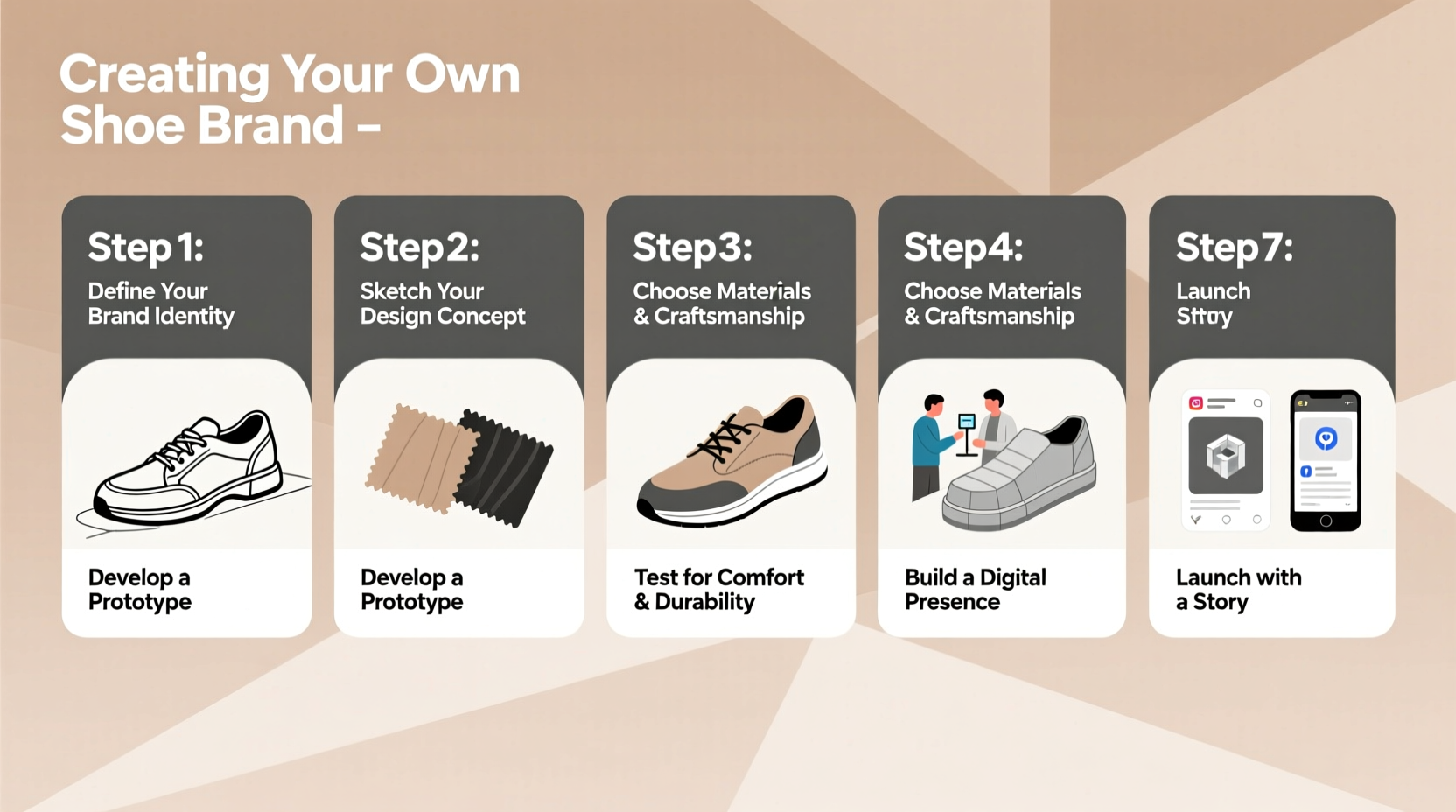
Before sketching a single shoe, clarify who your brand is for and what it stands for. A strong identity separates memorable brands from generic ones. Ask yourself: What problem does my footwear solve? Is it comfort for urban professionals? Sustainability for eco-conscious buyers? Bold style for creatives?
Your answers shape everything—design language, pricing, packaging, and messaging. For example, Allbirds built its identity around sustainability and simplicity, while Nike thrives on performance and inspiration. Neither is “better”—they serve different audiences with distinct values.
Consider these core questions:
- What values drive your brand? (e.g., sustainability, innovation, inclusivity)
- Who is your ideal customer?
- What emotional experience do you want customers to have when wearing your shoes?
- How do you want your brand to be perceived? (Luxury, playful, rugged, minimalist?)
2. Research and Validate Your Market Opportunity
Originality matters, but so does demand. Conduct thorough market research to identify gaps. Study competitors—not just their products, but their branding, pricing, distribution, and customer reviews. Look for recurring complaints: Are customers saying shoes lack arch support? Are vegan options too expensive or unattractive?
Use tools like Google Trends, Amazon bestsellers, and social media conversations to gauge interest. Run small-scale surveys or focus groups with potential customers. Offer early access sign-ups via a landing page to test demand before investing in production.
“Most new brands fail because they fall in love with their product, not the customer’s need.” — Lena Patel, Footwear Industry Consultant
Competitor Analysis Table
| Brand | Niche | Price Range | Key Strength |
|---|---|---|---|
| Allbirds | Sustainable materials | $95–$140 | Eco-transparency |
| Rothy’s | Knit upcycled plastic | $125–$165 | Fashion-meets-function |
| On Running | Performance running | $120–$180 | Innovative sole tech |
| Greats | Minimalist leather sneakers | $100–$140 | DTC quality at fair price |
3. Design with Purpose and Functionality
Design goes beyond aesthetics. It includes fit, materials, construction method, and wearability. Begin with hand sketches or digital renderings using tools like Adobe Illustrator or CLO 3D. Focus on solving a real problem—whether it's reducing foot fatigue during long shifts or offering stylish orthopedic support.
Start small: Launch with one hero product. A focused debut allows you to refine quality, gather feedback, and build momentum without overextending resources.
Mini Case Study: SoleMates Footwear
Jamal Chen, a nurse and aspiring designer, noticed most comfortable shoes lacked modern style. He created SoleMates—a line of slip-resistant, cushioned shoes with clean silhouettes for healthcare workers. After testing prototypes with colleagues and adjusting based on feedback, he launched a Kickstarter that funded 300% over goal. His key insight? Solve a specific problem for a defined group.
4. Source Manufacturing and Build Supply Chains
Production is where many brands stumble. You have two main paths: domestic manufacturing (higher cost, better oversight) or overseas (lower cost, more complex logistics).
For beginners, working with an established manufacturer in China, Vietnam, or Portugal is common. Use platforms like Alibaba, Maker’s Row, or attend trade shows like Lineapelle or Canton Fair to connect with vetted suppliers. Request samples, check references, and ideally visit the factory in person.
Ensure compliance with labor and environmental standards. Certifications like BSCI or WRAP signal ethical practices. Clearly specify materials, colors, stitching, and packaging in your tech pack—a detailed document outlining every aspect of your shoe.
Checklist: Preparing for Production
- Create a comprehensive tech pack with specs, materials, and labeling
- Request and evaluate at least three sample prototypes
- Negotiate MOQs (Minimum Order Quantities)—start with 300–500 pairs
- Agree on lead times, payment terms, and quality control procedures
- Arrange third-party inspection before shipping
5. Build Your Brand Experience and Launch Strategy
A great product needs a compelling story. Your brand experience spans logo, website, packaging, social media voice, and customer service. Invest in professional photography and copywriting that reflect your brand ethos.
Choose a brand name that’s memorable, trademarkable, and domain-available. Register your business, secure trademarks, and set up legal structures early. Use platforms like Shopify or BigCommerce to launch your e-commerce site with seamless checkout and mobile optimization.
Plan your launch with pre-orders, influencer collaborations, or pop-up events. Leverage email marketing to build anticipation. Consider a limited edition colorway or founder’s series to reward early supporters.
“Your first 100 customers are not just sales—they’re evangelists. Treat them like partners.” — Diego Mendez, Founder of TrailHaus Footwear
Step-by-Step Timeline: From Idea to First Sale
- Weeks 1–4: Finalize brand identity and customer persona
- Weeks 5–8: Develop initial designs and create tech pack
- Weeks 9–12: Contact manufacturers, request samples
- Months 4–6: Refine prototypes, place first production order
- Month 7: Set up e-commerce site, begin marketing campaign
- Month 8: Launch with pre-orders or soft release
- Month 9: Fulfill orders, collect feedback, plan next iteration
Common Pitfalls to Avoid
New founders often underestimate costs, overestimate demand, or rush production. Avoid these mistakes:
- Skipping prototyping: Never skip fit tests and material trials.
- Ignoring sizing: Offer clear size charts and consider unisex or extended sizing.
- Underpricing: Factor in duties, shipping, returns, and marketing. Aim for at least 2.5x markup over COGS.
- Poor communication with factories: Use clear documentation and regular updates.
FAQ
How much does it cost to start a shoe brand?
Initial costs vary widely. Budget $10,000–$50,000 for a small batch (500 units), including design, tooling, materials, shipping, branding, and website setup. Tooling alone (molds, lasts) can cost $3,000–$8,000.
Can I launch a shoe brand without designing shoes myself?
Yes. Some entrepreneurs use private label manufacturers who offer existing designs to rebrand. However, this limits uniqueness. For true differentiation, custom design is recommended.
How do I protect my shoe design from being copied?
While functional elements are hard to protect, you can trademark logos, brand names, and distinctive design features. In some countries, design patents cover ornamental aspects. Work with an IP attorney to explore options.
Conclusion
Building a shoe brand is a journey of creativity, persistence, and precision. It demands equal parts vision and practicality. By grounding your work in real customer needs, validating ideas early, and partnering wisely, you can turn a passion for footwear into a sustainable business. The market doesn’t need another generic sneaker—it needs your perspective.




 浙公网安备
33010002000092号
浙公网安备
33010002000092号 浙B2-20120091-4
Comments
No comments yet. Why don't you start the discussion?