
The BMW 320 watch is more than a timepiece—it’s a smart companion designed to integrate seamlessly into your daily life, whether you're driving, working out, or managing your schedule. While it comes with default settings that work well out of the box, unlocking its full potential requires thoughtful customization of the display. A properly configured interface enhances readability, improves functionality, and aligns with your personal preferences and routines.
This guide walks through the essential steps to tailor your BMW 320 watch display for maximum efficiency and comfort. From adjusting brightness and layout to selecting relevant widgets and optimizing battery performance, each setting contributes to a smoother user experience.
Understanding the Display Interface
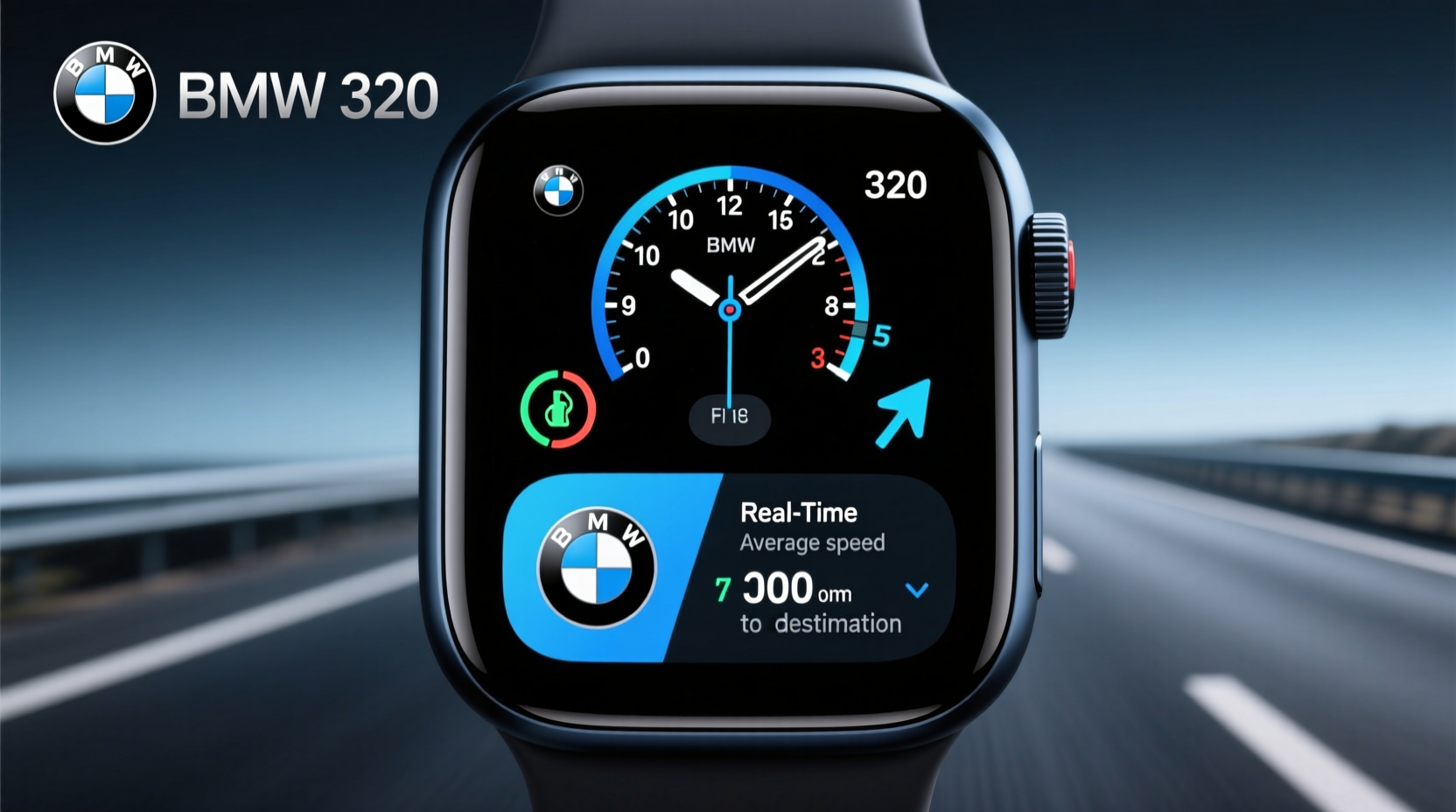
The BMW 320 watch features a high-resolution OLED touchscreen with dynamic display modes. It supports multiple watch faces, customizable data fields, and ambient light sensing. The interface responds to touch gestures and physical button inputs, allowing quick access to frequently used functions.
Before diving into customization, it's important to understand the core components of the display:
- Watch Face: The primary screen showing time, date, and selected complications (e.g., heart rate, step count).
- Complications: Mini-widgets that display real-time data such as weather, notifications, or activity metrics.
- Always-On Display (AOD): A low-power mode that keeps essential information visible without waking the screen.
- Brightness & Auto-Light Sensing: Adjusts screen visibility based on ambient conditions.
- Themes & Color Schemes: Visual styles that affect contrast, font weight, and background appearance.
Familiarity with these elements allows precise adjustments tailored to your environment and usage patterns.
Step-by-Step Guide to Customizing the Display
Follow this structured process to personalize your BMW 320 watch display efficiently:
- Access Display Settings: Press and hold the lower right button until the settings menu appears. Navigate to “Display” using swipe gestures.
- Select a Watch Face: Tap “Watch Face” > “Browse.” Choose from preloaded options like Sport, Classic, or Driver-Inspired themes. Tap to preview and select.
- Edit Complications: Once a face is chosen, tap “Edit Complications.” Position up to four data points (e.g., battery level, next calendar event) around the dial by tapping each quadrant.
- Adjust Brightness: Return to Display Settings. Use the slider to set manual brightness between 30% and 100%. For adaptive control, enable “Auto-Brightness” to let the sensor manage illumination.
- Enable Always-On Mode: Toggle “Always-On Display” ON if you prefer constant visibility. Note: This reduces battery life by approximately 15–20% per day.
- Set Screen Timeout: Choose between 5, 10, or 15 seconds before the screen dims. Shorter durations save power; longer ones improve usability during navigation.
- Apply Theme Preferences: Under “Appearance,” select color schemes such as Dark Mode for nighttime driving or High Contrast for outdoor visibility.
- Save and Test: Exit settings and interact with your watch in different lighting conditions. Make incremental tweaks until the display feels intuitive.
Optimizing for Different Scenarios
Your ideal display setup may vary depending on context. A configuration suited for fitness tracking won’t necessarily serve you best during business meetings or night drives. Below is a comparison of recommended settings across common scenarios:
| Scenario | Watch Face | Complications | Brightness | AOD |
|---|---|---|---|---|
| Driving | Driver-Inspired | Speed, Next Turn, Battery | Auto + Night Boost | On |
| Fitness | Sport Chrono | Heart Rate, Steps, Pace | 80% | Off |
| Office | Minimalist Analog | Calendar, Email, Time | 50% | On (Low Opacity) |
| Night Use | Digital Noir | Time, Moon Phase, Alarm | 30% | Off |
Switching profiles manually takes less than 10 seconds. Over time, many users create two or three go-to configurations they rotate based on their daily agenda.
Real-World Example: Maximizing Usability During Commute
Consider Marcus, a sales executive who commutes 45 minutes each way through city traffic. He initially struggled with missing turn alerts due to dim screen settings. After reviewing his habits, he made the following changes:
- Switched to the “Urban Navigator” watch face with integrated route preview.
- Added a complication showing real-time traffic delay alerts.
- Enabled auto-brightness with a minimum threshold of 60% to ensure visibility under tunnels.
- Activated haptic feedback for incoming navigation prompts.
Within a week, Marcus reported fewer missed exits and reduced distraction while driving. His display now serves as an extension of his car’s infotainment system, not a separate device demanding attention.
“Customization isn’t about making the watch look good—it’s about making it work better for *your* life.” — Lena Rodriguez, Wearable Technology Consultant at AutoGadget Labs
Common Mistakes to Avoid
Even experienced users can misconfigure their displays in ways that degrade performance. Be mindful of these pitfalls:
- Overloading complications: Too much data creates visual clutter and slows response time.
- Ignoring ambient lighting: Fixed low brightness in sunlight renders the screen unusable.
- Leaving AOD on unnecessarily: Drains battery quickly, especially with animated backgrounds.
- Using decorative faces while driving: Fancy fonts or small numerals compromise safety.
- Forgetting firmware updates: New software often includes display optimization patches.
FAQ
Can I create my own custom watch face?
Yes, via the BMW Connected app on iOS or Android. Use the Watch Face Studio tool to design layouts, import fonts, and assign dynamic data fields. Once saved, sync it to your watch over Bluetooth.
Why does my screen sometimes appear blurry?
This usually occurs when the resolution scaling is mismatched after a firmware update. Go to Settings > Display > Reset to Default, then reapply your preferences. Ensure your watch is running the latest software version.
Does dark mode really save battery?
Yes. Because the BMW 320 uses an OLED panel, black pixels are turned off completely. On average, switching to a dark-themed face extends battery life by 12–18% over a 24-hour period.
Checklist: Optimize Your BMW 320 Display in 7 Steps
- Update watch firmware to the latest version.
- Choose a primary watch face aligned with your main activity (e.g., driving, fitness).
- Select up to four useful complications—avoid redundant info.
- Enable auto-brightness or set manual levels for your typical environments.
- Decide whether to use Always-On Display based on battery needs.
- Test readability in direct sun, shade, and nighttime conditions.
- Schedule a bi-weekly check to refine settings as routines evolve.
Conclusion
Customizing the BMW 320 watch display isn't just a technical task—it's an investment in daily efficiency and personal comfort. When configured thoughtfully, the watch becomes an intuitive extension of your lifestyle, delivering the right information at the right time without distraction.
Take a few minutes today to evaluate your current setup. Experiment with different faces, adjust brightness behavior, and simplify what you see. Small changes can lead to significant improvements in usability, especially in critical moments like driving or exercising.




 浙公网安备
33010002000092号
浙公网安备
33010002000092号 浙B2-20120091-4
Comments
No comments yet. Why don't you start the discussion?