
Life rarely follows a predictable path. Unexpected setbacks—job loss, illness, relationship strain, financial pressure—can shake even the most composed individuals. Yet, some people navigate adversity with strength and emerge more grounded. The difference isn't luck; it's resilience. Resilience isn't an innate trait but a set of skills that can be cultivated. By adopting practical strategies, anyone can build emotional endurance, maintain balance, and respond to hardship with clarity rather than fear.
Understanding Resilience: More Than Just Bouncing Back
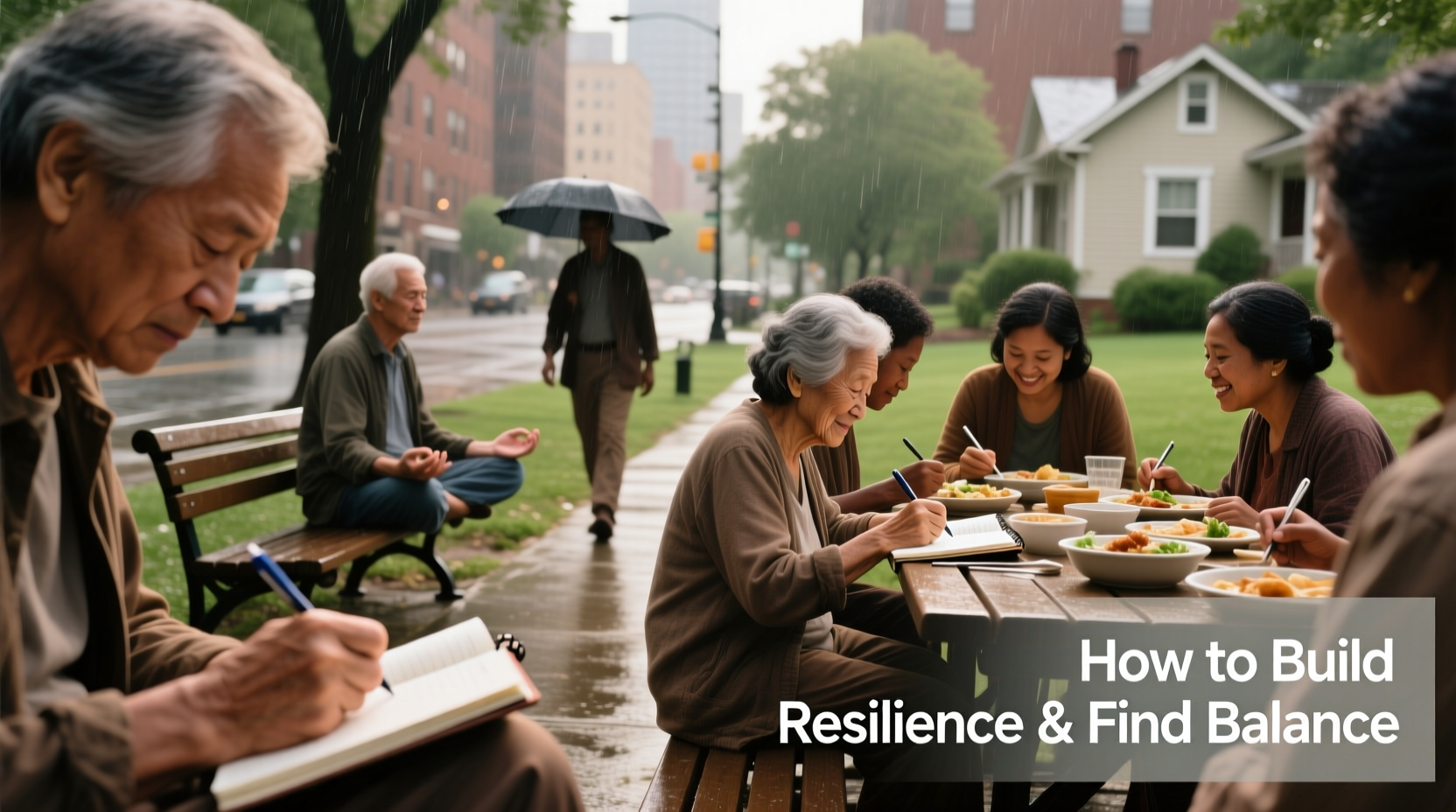
Resilience is often described as the ability to \"bounce back\" from difficulty. But true resilience goes deeper—it’s about adapting, learning, and growing through adversity. Psychologists define it as the process of positively adjusting in the face of significant stress or trauma. It doesn’t mean avoiding pain or suppressing emotions; instead, it involves acknowledging hardship while maintaining perspective and agency.
Research from the American Psychological Association shows that resilient individuals don’t deny distress—they manage it effectively. They use coping mechanisms like problem-solving, seeking support, and reframing negative thoughts. Importantly, resilience doesn’t eliminate stress, but it reduces its long-term impact on mental and physical health.
“Resilience is not about enduring suffering silently. It’s about engaging with reality, feeling what you feel, and still choosing forward motion.” — Dr. Karen Reyes, Clinical Psychologist
Step-by-Step Guide to Building Emotional Resilience
Developing resilience is a gradual process. It requires consistent practice and self-awareness. Follow these six actionable steps to strengthen your capacity to handle life’s inevitable challenges.
- Accept Reality Without Judgment
Denial amplifies stress. Acknowledge what’s happening without catastrophizing. Use phrases like, “This is difficult, but I can handle it one step at a time.” Acceptance creates psychological space for action. - Identify What You Can Control
Focus energy on actions within your influence—your response, daily routines, communication style. Let go of outcomes you cannot change. This shift reduces helplessness. - Maintain a Problem-Solving Mindset
Break large problems into smaller, manageable tasks. Ask: “What’s one thing I can do today?” Writing down solutions—even imperfect ones—builds confidence. - Practice Emotional Regulation
When overwhelmed, pause. Use deep breathing (4 seconds in, 6 seconds out) or grounding techniques (name 5 things you see, 4 you feel, 3 you hear). These reduce emotional reactivity. - Cultivate Realistic Optimism
Optimism isn’t ignoring risk—it’s believing in your ability to adapt. Replace “This will never work” with “I’ll figure this out as I go.” - Reflect and Learn
After a challenge passes, reflect: What did I learn? How did I grow? Journaling helps solidify insights and reinforces growth.
Creating Daily Balance to Prevent Burnout
Resilience isn’t only about crisis management—it’s also about sustainable living. Chronic imbalance leads to emotional depletion, making challenges harder to face. Intentional balance acts as a buffer against stress.
Balance doesn’t mean equal time for everything. It means aligning your daily actions with your values—whether that’s family, creativity, health, or contribution. When your routine reflects what matters most, you operate from a place of purpose, not obligation.
| Area of Life | Signs of Imbalance | Actionable Adjustment |
|---|---|---|
| Mental Health | Constant rumination, decision fatigue | Schedule 15 minutes of screen-free reflection daily |
| Physical Health | Fatigue, frequent illness | Add 20-minute walk and hydrate before coffee |
| Work | Working late regularly, dreading Mondays | Set hard stop at 7 PM; block focus time |
| Relationships | Short temper, isolation | Initiate one meaningful conversation per week |
Real Example: Rebuilding After Job Loss
Mark, a 42-year-old project manager, was laid off during a company restructuring. Initially, he withdrew, avoided calls, and spent hours scrolling job boards in frustration. After two weeks of stagnation, he decided to apply structure.
He started by accepting the situation: “This happened, and it’s painful, but I’m not defined by my job.” He created a daily schedule—two hours for applications, one for skill-building, and time for exercise. He joined a career support group, where sharing struggles reduced shame. Within six weeks, he secured freelance consulting work. Eight months later, he landed a role with better alignment to his goals.
Mark didn’t just survive—he used the disruption to reassess his priorities. His resilience wasn’t instant; it grew through deliberate choices each day.
Essential Habits That Strengthen Long-Term Resilience
Small, consistent habits compound over time. Incorporate these practices to build a resilient foundation:
- Mindful Movement: Even 10 minutes of stretching or walking improves mood and cognitive function.
- Quality Sleep: Prioritize 7–8 hours. Sleep deprivation impairs emotional regulation and decision-making.
- Connection Over Isolation: Talk to someone weekly who knows you deeply—not just about logistics, but feelings.
- Lifelong Learning: Take a course, read widely, or explore a new skill. Growth fosters confidence in adaptability.
- Boundaries: Say no to non-essential demands. Protecting your energy is not selfish—it’s strategic.
FAQ: Common Questions About Resilience and Balance
Can resilience be learned, or are some people just naturally stronger?
Resilience is largely learned. While genetics and upbringing play a role, studies show that cognitive-behavioral techniques, mindfulness, and supportive relationships significantly boost resilience at any age.
How do I stay balanced when everything feels urgent?
Ask: “Will this matter in six months?” Most urgent tasks aren’t important long-term. Focus first on self-care basics—sleep, nutrition, and emotional check-ins. You can’t pour from an empty cup.
What if I’ve tried building resilience but keep falling back into old patterns?
Relapse is normal. Progress isn’t linear. Notice what triggers setbacks—stress, isolation, perfectionism—and adjust accordingly. Consider working with a coach or therapist to identify deeper blocks.
Checklist: Building Resilience in Challenging Times
Use this checklist weekly to stay grounded and proactive:
- ☑️ Acknowledge my emotions without judgment
- ☑️ Identify one small action I can take today
- ☑️ Connect with someone supportive
- ☑️ Practice a grounding technique when stressed
- ☑️ Reflect on one thing I handled well this week
- ☑️ Review and adjust my routine for balance
Conclusion: Embrace Challenge as a Catalyst for Growth
Life’s challenges are unavoidable, but they don’t have to derail you. Resilience isn’t about being unbreakable—it’s about learning how to mend, adapt, and move forward with greater wisdom. By applying practical steps, nurturing balance, and committing to self-awareness, you transform obstacles into opportunities for deeper strength and clarity.




 浙公网安备
33010002000092号
浙公网安备
33010002000092号 浙B2-20120091-4
Comments
No comments yet. Why don't you start the discussion?