
Social anxiety doesn’t just make gatherings uncomfortable—it can feel paralyzing. In group settings, the pressure to speak up, be heard, and appear confident often amplifies feelings of self-doubt, fear of judgment, or physical symptoms like sweating and trembling. But social anxiety is not a life sentence. With structured, practical techniques grounded in cognitive-behavioral principles and real-world experience, it’s possible to navigate group interactions with increasing ease and authenticity.
This guide offers more than reassurance—it provides specific, actionable tools that work. Whether you're attending a team meeting, a networking event, or a casual dinner party, these strategies are designed to reduce anxiety in the moment and build long-term resilience.
Understanding Social Anxiety in Groups
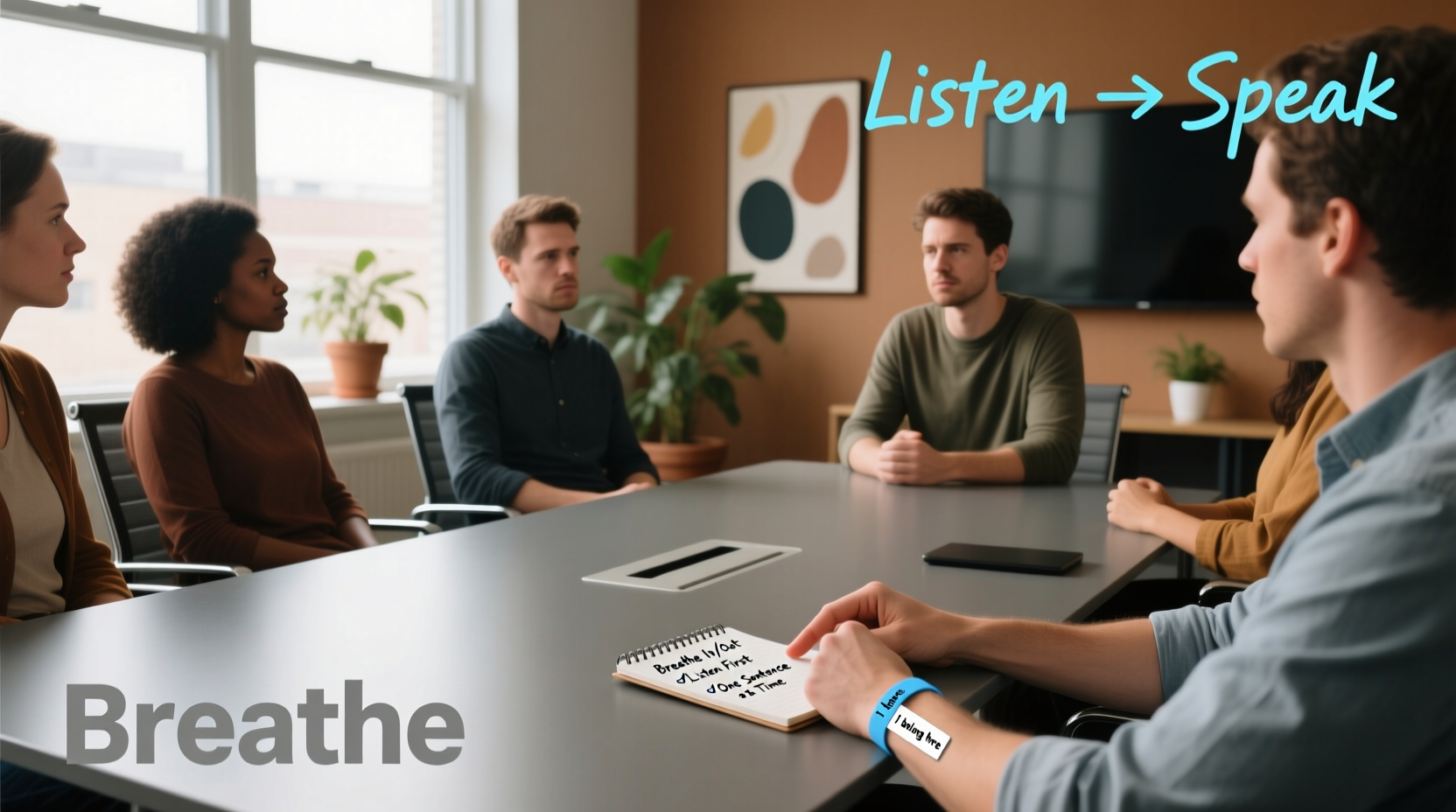
Social anxiety disorder affects approximately 15 million adults in the U.S., according to the Anxiety & Depression Association of America. It's characterized by an intense fear of being scrutinized, embarrassed, or negatively evaluated in social situations. Group settings compound this because they involve multiple people, unpredictable dynamics, and often require spontaneous interaction.
The core issue isn’t shyness—it’s a persistent cycle of negative thinking (“They think I’m boring”), physical tension (racing heart, shaky voice), and safety behaviors (avoiding eye contact, staying silent). The good news? This cycle can be interrupted.
“Social anxiety thrives on avoidance. The more we avoid speaking up or joining conversations, the stronger the belief becomes that we can’t handle it.” — Dr. Sarah Thompson, Clinical Psychologist specializing in anxiety disorders
Practical Techniques to Manage Anxiety in Real Time
When you're already in a group and anxiety starts rising, having immediate tools can prevent escalation. These techniques are subtle, effective, and don’t draw attention.
Breathing Regulation: The 4-7-8 Method
Controlled breathing calms the nervous system within minutes. The 4-7-8 technique works as follows:
- Inhale quietly through your nose for 4 seconds.
- Hold your breath for 7 seconds.
- Exhale completely through your mouth for 8 seconds.
Repeat this cycle four times. This slows your heart rate and signals safety to your brain. Practice it discreetly—no one will notice, but you’ll feel the shift.
Grounding with the 5-4-3-2-1 Technique
When your mind races with “What if they think I’m awkward?”, grounding brings you back to the present. Name:
- 5 things you can see (e.g., a clock, someone’s shoes)
- 4 things you can touch (your pen, fabric of your sleeve)
- 3 things you can hear (laughter, AC hum)
- 2 things you can smell (coffee, hand lotion)
- 1 thing you can taste (gum, water)
This sensory check-in reduces mental spiraling and anchors you in reality.
Strategic Preparation Before Entering a Group
Anxiety often builds in anticipation. What happens before the event matters as much as what happens during.
Pre-Event Planning Checklist
- Research attendees or topics if possible
- Prepare 2–3 conversation starters (e.g., “Did you see the latest update on X?”)
- Dress in something that makes you feel confident
- Eat a light meal to avoid blood sugar crashes
- Arrive 5–10 minutes early to settle in
Having even a small degree of control over the environment reduces unpredictability—the fuel of anxiety.
Set Micro-Goals, Not Grand Expectations
Instead of aiming to “be outgoing” or “make everyone like me,” set achievable goals:
- “I will say hello to three people.”
- “I will ask one question during the discussion.”
- “I will stay for at least 30 minutes before deciding to leave.”
Achieving micro-goals builds momentum and proves to yourself that you can cope.
Behavioral Strategies During Group Interaction
How you engage—or choose not to—shapes both your experience and others’ perception of you. The key is balance: reducing avoidance while avoiding overexertion.
Use the \"Two-Minute Rule\" for Participation
If you hesitate to speak, give yourself permission to contribute for just two minutes. Say one sentence, ask a clarifying question, or offer brief agreement. Often, the hardest part is starting. Once you break silence, the pressure eases.
Leverage Active Listening
You don’t have to dominate the conversation to belong. Focus on listening deeply. Nod, maintain soft eye contact, and respond with short affirmations (“That makes sense,” “Interesting point”). People appreciate attentive listeners, and this role feels safer while still being socially engaged.
Position Yourself Strategically
Where you stand or sit influences your comfort. Avoid being trapped in the center of a circle. Instead, position yourself near the edge or beside someone you know slightly. This gives psychological space and an easier exit if needed.
| Strategy | Do | Don't |
|---|---|---|
| Entering a Conversation | Wait for a natural pause; use a bridging phrase like “That reminds me…” | Interrupt or force a comment into silence |
| Maintaining Presence | Nod, smile, use small verbal cues (“Right,” “I see”) | Stare at phone or turn body away |
| Managing Overwhelm | Excuse yourself briefly: “I need some water—back in a minute” | Disappear without explanation |
| Ending Early | Tell the host: “I’ve got to go, but I really enjoyed it” | Sneak out silently |
Building Long-Term Confidence: A Step-by-Step Progression Plan
Confidence in groups isn’t built overnight. It grows through gradual exposure and reflection. Follow this 6-week timeline to systematically expand your comfort zone.
Week 1–2: Observation and Small Engagement
- Attend low-stakes events (e.g., coffee meetups, library talks).
- Goal: Observe group dynamics. Say “hi” to one person.
- Afterward, journal: What went better than expected?
Week 3–4: Initiate and Respond
- Ask one open-ended question per event (“What did you think of the speaker?”).
- Respond to someone else’s comment with a follow-up.
- Practice leaving a conversation politely: “It was great talking—catch you later.”
Week 5–6: Sustain Involvement
- Stay in a group setting for 45+ minutes.
- Share a personal opinion (not overly vulnerable) once per event.
- Reflect on progress: Compare Week 1 discomfort to current experience.
This progression respects your pace while steadily expanding capacity. Each step reinforces the message: “I can handle this.”
Real Example: From Panic to Participation
Mark, a 32-year-old project manager, dreaded team meetings. He’d rehearse comments in his head but freeze when called on. His heart would race, and he’d mumble something vague before retreating into silence. After several months, he began applying small changes.
First, he started arriving early to chat briefly with one colleague. Then, he committed to asking just one question per meeting. He used the 4-7-8 breathing method before speaking. Within eight weeks, he contributed to discussions regularly. His breakthrough moment came when he led a five-minute agenda item—something he once thought impossible.
“I didn’t become extroverted,” Mark said. “But I learned I don’t have to wait until I feel confident to act. Action comes first. Confidence follows.”
Common Misconceptions That Worsen Anxiety
Several myths keep people stuck:
- “I have to be interesting.” Truth: Most people value sincerity over wit. Simple, genuine comments connect better than clever ones.
- “Everyone is watching me.” Reality: People are focused on themselves. You’re likely less noticeable than you think.
- “If I feel anxious, I must look anxious.” Research shows others rarely detect internal anxiety unless you point it out.
- “I need to stay until the end.” Leaving early with grace is acceptable. Your well-being matters more than appearances.
Challenging these beliefs reduces pressure and opens space for authentic presence.
Frequently Asked Questions
Can social anxiety improve without therapy?
Yes, many people reduce symptoms significantly through self-directed strategies like those outlined here. However, if anxiety severely limits daily functioning, cognitive-behavioral therapy (CBT) with a licensed professional is highly effective and recommended.
What if I panic during a group event?
If a panic attack begins, focus on grounding. Excuse yourself calmly: “I need a moment—be right back.” Find a quiet space, use the 5-4-3-2-1 technique, and remind yourself that panic peaks and passes. Returning afterward—even briefly—reinforces courage.
Is it okay to bring a friend to a social event?
Yes, if it helps you attend. But set a goal to interact with others independently for part of the time. Use your friend as a launchpad, not a shield.
Conclusion: Start Where You Are
Dealing with social anxiety in group settings isn’t about becoming someone else. It’s about showing up as yourself, gradually, with compassion and courage. Every small step—saying hello, asking a question, staying five minutes longer—rewires your brain’s response over time.
You don’t need to be the loudest voice in the room. You only need to be present enough to discover that you belong. Begin with one technique. Try it this week. Notice what shifts. Progress isn’t linear, but consistency creates change.




 浙公网安备
33010002000092号
浙公网安备
33010002000092号 浙B2-20120091-4
Comments
No comments yet. Why don't you start the discussion?