
Fuzz balls, or \"pills,\" form on clothing due to friction and wear. Common on cotton, wool, and synthetic blends, these bobbles make garments look worn and shabby—even if they're in good condition. While electric fabric shavers are popular, not everyone has access to one. The good news is that you can effectively debobble clothes using only everyday household items. With patience and the right technique, you can restore your favorite sweaters, t-shirts, and jeans to near-new appearance—without spending money on specialized tools.
Why Clothes Bobble and When It Happens
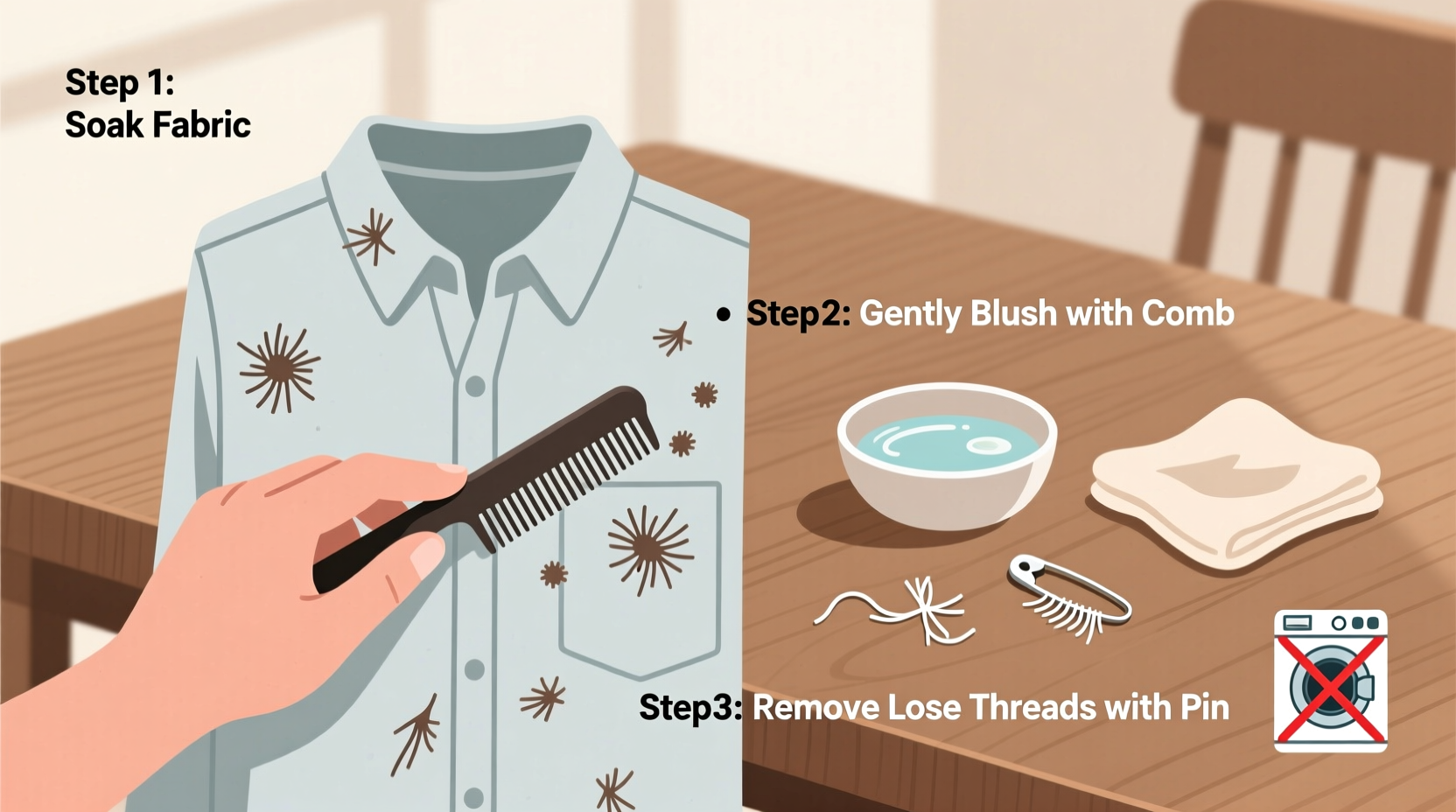
Balling or pilling occurs when short fibers break free from the fabric surface and tangle into small knots. This happens most often in areas of high friction: underarms, inner thighs, collars, and along seams. Fabrics with shorter staple fibers—like cotton and polyester—are especially prone. Knits tend to pill more than tightly woven fabrics because their loops catch and pull more easily.
Environmental factors also play a role. Washing clothes inside out reduces abrasion. Drying garments on high heat weakens fibers over time, increasing bobbling. Even body type and movement patterns affect where pills form. A person who carries a backpack daily may notice more pilling on shoulder areas of shirts.
“Pilling isn’t a sign of poor quality—it’s a natural result of fiber stress. How you treat it determines whether a garment looks cared for or neglected.” — Lena Patel, Textile Restoration Specialist
Step-by-Step Guide: Removing Bobs with Household Tools
You don’t need a fancy gadget to remove fuzz balls. Most homes already contain tools capable of gently lifting or cutting pills from fabric. Below is a proven sequence of actions using accessible items.
- Prepare Your Workspace: Choose a well-lit, flat surface like a dining table. Lay down a light-colored towel or sheet to catch loose fibers and make them visible.
- Turn Garment Inside Out (Optional): If cleaning before treatment, wash and dry the item first. For delicate fabrics, skip washing unless necessary—handling wet fabric increases fiber vulnerability.
- Inspect and Isolate Problem Areas: Run your fingers over the fabric. Note regions with dense pilling. Avoid aggressive treatment on thin or stretched areas.
- Select Your Tool: Based on fabric weight and bobble severity, choose one of the methods described below.
- Work in One Direction: Always move your tool consistently across the fabric—either top to bottom or side to side—to prevent snagging.
- Clean Up Loose Fibers: After treatment, use sticky tape, a lint roller, or damp sponge to lift remaining debris.
Effective Household Items for Debobbling
The following tools are commonly found at home and can be repurposed safely for fabric maintenance. Each has strengths depending on fabric type and pill density.
1. Disposable Razor
A clean, unused razor works similarly to a fabric shaver. Hold the garment taut with one hand and glide the razor lightly over the surface at a shallow angle. Do not press hard. Rinse the blade frequently to avoid clogging. Best for medium-weight knits like cotton sweaters and hoodies.
2. Sandpaper (Medium Grit)
Use 100–150 grit sandpaper. Place the garment on a firm surface and gently rub the rough side over pill clusters in one direction. Shake off debris periodically. Ideal for thicker fabrics such as wool coats or denim jackets. Avoid ultra-fine knits.
3. Pumice Stone (Textured Side)
Originally for skin exfoliation, a pumice stone lifts pills effectively on heavy fabrics. Use light strokes and brush away residue. Works well on flannel, fleece, and blankets. Never use on silk or rayon.
4. Lint Roller or Packing Tape
For light surface pills, wrap tape around your hand—sticky side out—and dab or roll it over fuzzy areas. Replace tape as it fills. This method removes loose pills but won’t eliminate deeply embedded ones. Great for quick fixes before wearing.
5. Fine-Tooth Comb or Pet Grooming Brush
A metal comb with narrow teeth can gather pills by dragging it slowly across the fabric. A pet slicker brush (used for removing pet hair) performs similarly. Both work best on loosely knitted wool or acrylic sweaters.
6. Bread Knife (Serrated Edge)
Yes, a bread knife. Its serrated edge catches pills without slicing through fabric when used gently. Drag the blade horizontally across the garment while holding it taut. Wipe the knife often. Suitable for durable knits and upholstery fabrics.
Do’s and Don’ts of Home Debobbling
| Do’s | Don’ts |
|---|---|
| Work slowly and gently to avoid snags | Press too hard with sharp tools |
| Test on hidden seams first | Use dull razors—they tug instead of cut |
| Wash and dry clothes inside out | Apply heat directly to pills (e.g., ironing) |
| Store clothes folded or on padded hangers | Use scissors unless absolutely necessary |
| Vacuum knitwear lightly with brush attachment | Treat wet or damp fabric |
Real Example: Reviving a Favorite Sweater
Sarah had a cream-colored cashmere blend sweater she loved but hadn’t worn in months due to severe pilling on the front and sleeves. She didn’t own a fabric shaver and was hesitant to throw it out. Using a disposable razor and a fine-tooth comb from her bathroom drawer, she spent about 20 minutes carefully gliding the razor over the fabric in downward strokes. After each pass, she shook the sweater outside to remove debris. For stubborn clusters, she used the comb to lift pills before a final razor sweep. The result? The sweater looked noticeably smoother and was comfortable to wear again. Sarah now repeats this process every few months during seasonal transitions.
This example shows that even delicate blends can be revived at home—with attention and the right tools.
Preventing Future Bobbles: Long-Term Care Tips
Debobbling restores appearance, but prevention keeps clothes looking newer longer. Integrate these habits into your laundry routine:
- Wash garments inside out to protect outer surfaces from machine agitation.
- Use a gentle cycle with cold water and mild detergent. Harsh chemicals accelerate fiber breakdown.
- Avoid overloading the washer; crowded loads increase friction between clothes.
- Hang dry when possible, or use low heat in the dryer. High heat degrades elastic and soft fibers.
- Separate rough fabrics (like denim) from softer knits during washing.
- Rotate sweaters—wearing the same one repeatedly increases localized wear.
“Prevention is cheaper and more effective than repair. A few changes in laundry habits can delay pilling by months or even years.” — Marcus Reed, Sustainable Fashion Consultant
Checklist: At-Home Debobbling Routine
Follow this simple checklist whenever you tackle pilling on clothing:
- ☐ Choose a clean, dry workspace with good lighting
- ☐ Select appropriate tool based on fabric type
- ☐ Test method on a hidden area (e.g., inner seam)
- ☐ Stretch fabric taut while working
- ☐ Move tool in one consistent direction
- ☐ Clean tool frequently (wipe blade, shake debris)
- ☐ Remove leftover fuzz with tape or damp cloth
- ☐ Fold and store garment properly after treatment
Frequently Asked Questions
Can I use scissors to cut off bobbles?
You can, but with caution. Small embroidery scissors may work for isolated pills, but there’s a high risk of cutting too deep and creating holes—especially in stretchy or thin fabrics. If using scissors, only snip individual pills; never shave large areas. A razor or sandpaper is safer and more efficient.
Will debobbling damage my clothes?
When done correctly, no. The key is light pressure and using the right tool for the fabric. Aggressive scraping or repeated passes in the same spot can weaken fibers. Always inspect the garment afterward and avoid over-treating.
How often should I debobble clothes?
Only as needed. Over-treatment stresses fabric. Most garments require debobbling every 3–6 months with regular wear. Wash care labels and fabric type influence frequency. Delicate silks or merino wools may need it less often than cotton tees or acrylic blends.
Conclusion: Keep Your Wardrobe Looking Fresh
Removing bobbles from clothes doesn’t require expensive tools or professional services. With a disposable razor, sandpaper, or even a pet brush, you can significantly improve the look and feel of worn garments. These household solutions are not only cost-effective but also sustainable—extending the life of your clothing reduces waste and supports mindful consumption.
Take a look in your closet. Chances are, several pieces could benefit from a quick refresh. Pick one item, gather what you already have at home, and give it a try. You might be surprised at how much better your clothes look with just a little effort. Share your success story or favorite tip in the comments—help others rediscover the potential in their wardrobe.




 浙公网安备
33010002000092号
浙公网安备
33010002000092号 浙B2-20120091-4
Comments
No comments yet. Why don't you start the discussion?