
Smartphones are essential tools for communication, productivity, and entertainment. With prices rising and repair costs climbing, protecting your device is no longer optional—it's strategic. But with so many protection plans available, how do you know whether to choose a full package or stick with standard coverage? The decision hinges on your usage habits, financial priorities, and risk tolerance. This guide breaks down the differences, benefits, and real-world implications of each option to help you make an informed choice that aligns with your lifestyle.
Understanding the Basics: What’s the Difference?
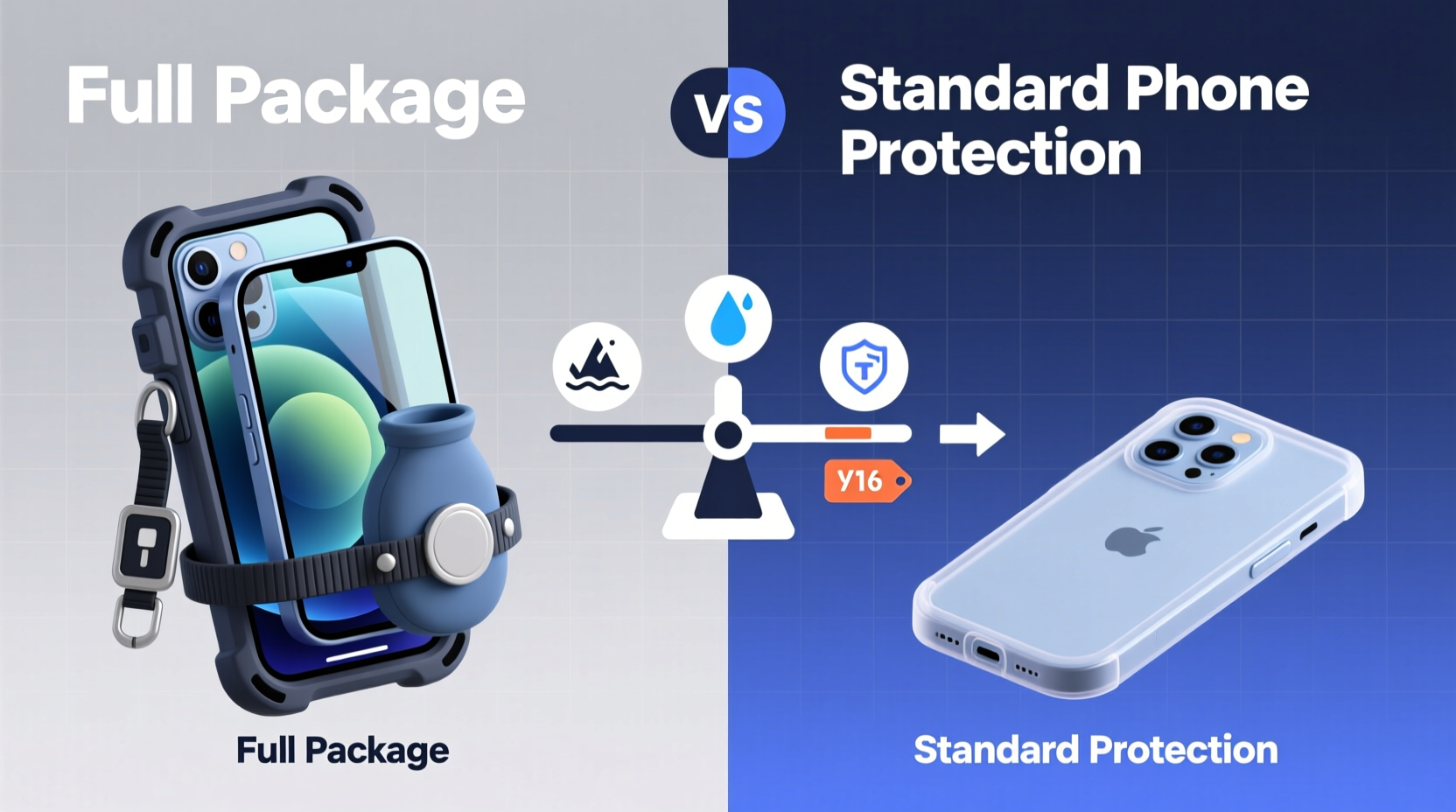
At its core, phone protection falls into two main categories: standard and full package. While both aim to reduce financial risk from damage or loss, they differ significantly in scope, cost, and service level.
- Standard Protection: Typically covers only one type of incident—usually accidental damage like cracked screens or water exposure. It often excludes theft, loss, and cosmetic wear. Plans may be offered by carriers, manufacturers, or third-party insurers.
- Full Package Protection: Offers comprehensive coverage including accidental damage, liquid damage, mechanical breakdowns, loss, and theft. These plans usually come with additional perks such as expedited replacements, global coverage, and customer support hotlines.
The trade-off? Full packages cost more upfront and over time, but offer broader peace of mind. Standard plans are cheaper but leave gaps that could result in high out-of-pocket expenses if your phone is stolen or fails mechanically.
Key Factors to Consider Before Choosing
Selecting the right plan isn’t about which sounds better—it’s about matching coverage to your actual behavior and needs. Consider these five factors carefully:
- Your Daily Routine: Do you frequently commute, travel, or work in environments where your phone is exposed to risks (e.g., construction sites, kitchens)? High-risk lifestyles benefit more from full coverage.
- Budget Constraints: Can you absorb the cost of a replacement ($500–$1,500) if something happens? If not, even a pricier full plan may be worth it.
- Phone Value: Premium devices (like flagship models) justify higher-tier protection due to their cost and complexity of repair.
- Travel Frequency: International travelers should consider full packages that include global claims processing and temporary loaner phones.
- Risk Tolerance: Are you someone who replaces phones every two years regardless? Or do you keep devices for four years or more? Long-term users need stronger protection.
“Most people underestimate how often phones fail outside of screen cracks. Battery degradation, charging port issues, and internal water residue can void warranties and aren’t covered under basic plans.” — David Lin, Mobile Device Repair Specialist at TechShield Labs
Comparison: Standard vs. Full Package Protection
| Feature | Standard Protection | Full Package Protection |
|---|---|---|
| Accidental Damage (e.g., drops) | ✅ Usually covered (1–2 incidents/year) | ✅ Covered (often unlimited claims) |
| Liquid Damage | ❌ Often excluded or limited | ✅ Fully covered |
| Theft & Loss | ❌ Rarely included | ✅ Included with proof requirements |
| Mechanical Failures | ❌ Not covered (manufacturer warranty only) | ✅ Covered beyond factory warranty |
| Replacement Speed | ⏱️ 5–10 business days | ⏱️ 1–3 days (priority shipping) |
| Monthly Cost (avg.) | $5–$8 | $12–$20 |
| Deductible per Claim | $49–$99 | $0–$79 (varies by claim type) |
| Additional Perks | None | Cloud backup, identity theft protection, concierge support |
This comparison shows that while standard plans appear economical, they may fall short when unexpected events occur. Full packages act as insurance against worst-case scenarios, especially valuable for those who rely heavily on their phones for work or personal organization.
Real-Life Scenario: When Full Coverage Paid Off
Sophia, a freelance photographer based in Seattle, opted for a full protection plan when she bought her latest smartphone. Six months later, while shooting outdoors in rainy conditions, her phone slipped into a puddle. She dried it immediately but noticed intermittent shutdowns over the next few days. A local repair shop quoted $320 for motherboard cleaning and corrosion treatment.
Instead, Sophia filed a claim through her full protection provider. Within 48 hours, she received a refurbished replacement unit, had her data restored from cloud backup, and paid only a $29 deductible. Her standard warranty would have denied the claim due to moisture detection, and her basic insurance wouldn’t have covered liquid damage at all.
This case illustrates how full coverage doesn’t just protect against breakage—it safeguards continuity of use, data integrity, and time.
Step-by-Step Guide to Making Your Decision
Follow this five-step process to confidently choose the right protection level:
- Evaluate Your Phone’s Role: Is it primarily for calls and texts, or does it handle banking, remote work, photography, or navigation? Higher functionality = greater need for robust protection.
- Review Past Behavior: Have you broken or lost a phone in the last three years? If yes, statistically you’re more likely to do so again.
- Compare Plan Details: Don’t just look at price. Check claim limits, exclusions, approval timelines, and required documentation (e.g., police reports for theft).
- Calculate Long-Term Value: Multiply monthly cost by 24 months. Compare that total to the retail price of your phone. If the cumulative cost is less than 20% of the phone’s value and covers major risks, it’s likely a sound investment.
- Test Customer Support: Call the provider anonymously with a sample claim question. Note response time, clarity, and professionalism—these reflect real-world experience.
Frequently Asked Questions
Can I upgrade from standard to full protection later?
Yes, but only within a specific window—usually 30 to 60 days after purchase. After that, providers may deny upgrades unless you file a claim first. Act early if you think you’ll want expanded coverage.
Does full protection cover accessories like chargers or earbuds?
Generally, no. Most plans are strictly for the phone itself. However, some premium bundles (especially those tied to credit cards or tech subscriptions) include accessory coverage—verify before assuming.
Are there hidden fees I should watch for?
Potential hidden costs include high deductibles for certain claims, non-refundable service fees, and price increases after the first year. Always ask for a complete fee schedule in writing.
Final Recommendation: Match Protection to Lifestyle, Not Just Price
Choosing between full package and standard phone protection shouldn't be driven solely by monthly cost. It’s about understanding your vulnerability to loss, damage, and downtime—and planning accordingly. For students, light users, or those comfortable with DIY fixes, a standard plan may suffice. But for professionals, frequent travelers, parents, or anyone dependent on seamless connectivity, a full package offers tangible security and operational resilience.
Remember: the best protection plan is one you never need to use—but are profoundly grateful for when you do.




 浙公网安备
33010002000092号
浙公网安备
33010002000092号 浙B2-20120091-4
Comments
No comments yet. Why don't you start the discussion?