
Every parent knows the feeling: stepping on a rogue LEGO brick in the dark, tripping over stuffed animals in the hallway, or opening a toy bin only to have it avalanche. Children accumulate toys quickly—through birthdays, holidays, hand-me-downs, and well-meaning relatives—and before long, play spaces become cluttered, overwhelming, and hard to manage. The instinct to declutter is strong, but experience often warns against it: one wrong move, and you’re facing tears, tantrums, or accusations of throwing away “the favorite dinosaur.”
The good news? You can reduce toy clutter effectively while preserving emotional safety and avoiding regret. With thoughtful planning, respectful communication, and practical systems, you can create a calmer, more intentional environment for your child—one where play is more focused, creative, and joyful.
Why Toy Clutter Matters More Than You Think
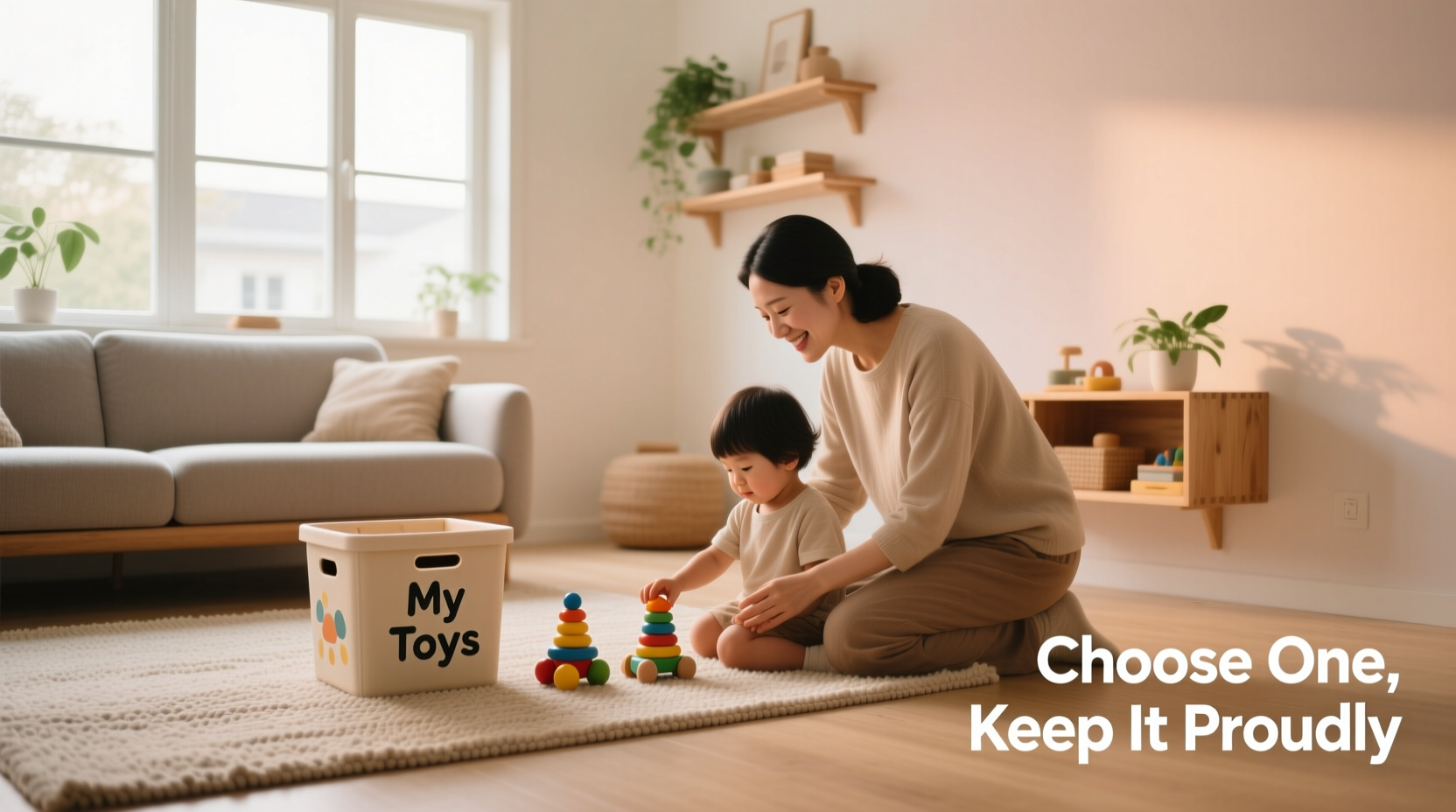
Clutter isn’t just an aesthetic issue. Research in developmental psychology suggests that excessive toys can actually hinder a child’s ability to focus, engage deeply in play, and develop creativity. A 2019 study published in Infant Behavior and Development found that toddlers played longer and more imaginatively with fewer toys than with many. When overwhelmed by choice, children often flit from one item to another without fully exploring any.
Beyond cognitive impact, clutter adds stress to family life. Parents spend time tidying, stepping over messes, and mediating disputes over lost or broken items. Children may struggle to locate their favorites, leading to frustration. And when it comes time to clean up, the sheer volume of toys makes the task feel impossible.
Decluttering isn’t about deprivation—it’s about creating space for better play, easier cleanup, and less daily friction.
A Step-by-Step Guide to Gentle Toy Decluttering
Rushing into a purge rarely ends well. Instead, follow this structured approach that respects your child’s emotional attachment while gradually reducing excess.
- Observe and assess. For a week, notice which toys your child plays with most. Which ones are ignored? Are there duplicates? This helps identify what’s truly valued versus what’s taking up space.
- Set a goal together. Explain why you’re reorganizing: “We want to make room for new adventures and keep your favorite things easy to find.” Frame it as improvement, not loss.
- Choose a calm time. Avoid high-energy moments like after school or before bedtime. Pick a relaxed weekend morning when everyone is patient.
- Sort in stages. Use bins labeled: Keep, Donate, Repair, Maybe. Let your child participate based on age and comfort level. Younger children may only handle sorting by color or type; older ones can decide what to pass on.
- Rotate, don’t remove. For borderline items, use a rotation system. Store some toys out of sight and swap them every few weeks. This keeps novelty alive without permanent clutter.
- Let go gradually. If donating feels too big, start with broken or incomplete toys. Build trust over time.
The key is consistency—not perfection. Even removing 20% of unused toys can dramatically improve the play environment.
Do’s and Don’ts of Toy Decluttering
| Do | Don’t |
|---|---|
| Involve your child in decisions when possible | Surprise them by removing beloved toys overnight |
| Use neutral language: “These could help another kid” | Say things like “You’re too old for this” |
| Store seasonal or sentimental items separately | Throw away anything without discussion |
| Take photos of special toys before letting go | Force immediate decisions under pressure |
| Establish clear storage limits (e.g., one bin per category) | Allow unlimited accumulation between purges |
This balance ensures that decluttering becomes a sustainable habit, not a traumatic event.
Real Example: The Johnson Family’s Toy Transition
The Johnsons had two young children whose playroom overflowed with toys—many unopened, others scattered across three rooms. After countless evenings spent cleaning up, they decided to act. But their first attempt backfired: they packed up 30 items while the kids were at preschool and donated them. Their daughter discovered the missing dolls that evening and sobbed for hours.
They regrouped. The next month, they introduced a “Toy Swap Box.” Together, they chose five toys to put in the box, explaining that these would “go on an adventure to help another family.” Each time they added something, they took a photo and celebrated the kindness. Over six months, they cycled through three boxes, gradually reducing clutter without emotional backlash. They also implemented a toy rotation shelf, keeping only 15–20 items visible at a time. Cleanup became faster, play became deeper, and the children began requesting swaps themselves.
Their success came not from speed, but from empathy and pacing.
“Children form deep emotional connections to objects because they represent safety, memory, and identity. Respecting those bonds—even to a plastic frog—is essential in healthy development.” — Dr. Lena Torres, Child Psychologist
Checklist: How to Prepare for a Stress-Free Toy Declutter
- ✅ Choose a low-stress week with no major events
- ✅ Gather supplies: bins, labels, donation bags, camera or phone for photos
- ✅ Decide on your sorting categories (Keep, Donate, Store, Toss)
- ✅ Set a time limit (start with 30–60 minutes)
- ✅ Preview the plan with your child using simple language
- ✅ Identify non-negotiables: What toys are off-limits for removal?
- ✅ Plan a fun activity afterward to celebrate effort, not outcome
Following this checklist builds predictability and reduces anxiety—for both parents and children.
Strategies for Preventing Future Toy Buildup
Decluttering once is helpful, but without systems, clutter returns quickly. These practices help maintain progress:
- The One-In, One-Out Rule: Whenever a new toy enters the home, one old one leaves. This works especially well after birthdays or holidays.
- Limited Storage Space: Use clearly defined bins or shelves. When a bin is full, it’s time to reassess before adding more.
- Toy-Free Gift Alternatives: Suggest experiences (zoo passes, art classes) or consumables (craft kits, books) instead of physical toys.
- Seasonal Reviews: Every three months, do a quick check-in: What’s loved? What’s ignored? Rotate or release accordingly.
- Gratitude Practice: Before donating, have your child say thank you to the toy for its service. This ritual supports emotional closure.
Frequently Asked Questions
What if my child wants to keep everything?
It’s common, especially for younger children who haven’t developed strong decision-making skills. In this case, take the lead gently: “I see you love all your animals. Let’s pick your top five to stay on the shelf. The others can rest in the closet and come back later if we miss them.” Give the impression of temporary storage, not loss. Often, children forget about stored items within weeks.
Should I force my child to donate toys?
No. Forced giving teaches resentment, not generosity. Instead, model the behavior: let them see you donate clothes or books. Offer choices: “Would you like to give the extra puzzle to a friend, or should we pass it on to a family who might enjoy it?” Let them feel in control. Participation fosters compassion.
How do I handle sentimental toys or gifts from relatives?
This is one of the trickiest areas. For gifts from loved ones, consider storing them out of daily rotation. Take a photo of the toy in use, then explain: “This was so kind of Grandma. We’ll keep it safe and show her how much we appreciated it.” If space allows, designate a small “memory box” for sentimental items. Relatives often appreciate knowing the gift was cherished, even if it’s no longer in active use.
Conclusion: Less Toys, More Joy
Decluttering kids’ toys doesn’t have to mean heartbreak or regret. When done with patience, respect, and intention, it can transform your home into a space where play is more meaningful, cleanup is manageable, and family life feels lighter. The goal isn’t a minimalist showcase—it’s a functional, joyful environment where children can explore, imagine, and grow without being buried under stuff.
Start small. Listen closely. Celebrate progress. Over time, you’ll likely discover that your child doesn’t miss most of what’s gone—and may even prefer the newfound clarity. By teaching mindful consumption and stewardship early, you’re not just organizing toys. You’re nurturing values that will last far beyond childhood.




 浙公网安备
33010002000092号
浙公网安备
33010002000092号 浙B2-20120091-4
Comments
No comments yet. Why don't you start the discussion?