
Sentimental items carry emotional weight. A child’s first drawing, a grandparent’s pocket watch, or a ticket stub from a long-ago concert—each object holds a story. But over time, these meaningful possessions can accumulate, filling drawers, closets, and storage bins until they become more of a burden than a comfort. The challenge isn’t just physical clutter; it’s the emotional resistance that makes letting go feel like betrayal. The truth is, you don’t have to keep everything to honor the past. With thoughtful strategies, you can curate your sentimental belongings, preserve what truly matters, and release the rest with compassion and clarity.
Why Sentimental Clutter Is Different
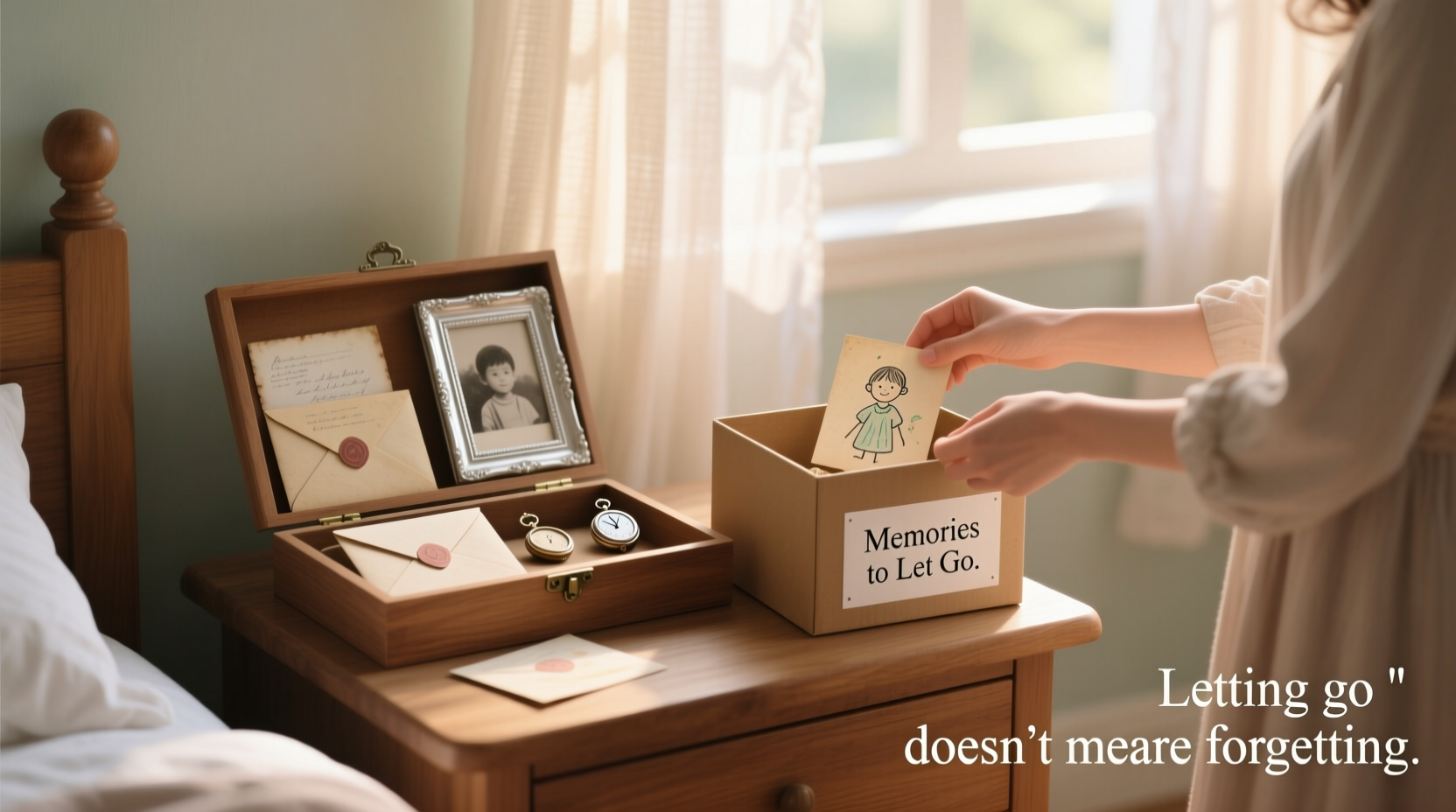
Unlike everyday clutter—expired magazines, duplicate kitchen tools, or unworn clothes—sentimental items are tied to identity, memory, and emotion. Throwing away a broken toaster is straightforward. Letting go of a wedding bouquet or a deceased parent’s handwriting sample feels deeply personal. This emotional attachment triggers psychological barriers: fear of forgetting, guilt for discarding, or anxiety about losing a piece of history.
Psychologists note that sentimental objects often serve as “memory anchors.” They help us recall people, events, and emotions we value. However, when every anchor is kept, the sheer volume dilutes their significance. Instead of enriching life, they can create stress, disorganization, and decision fatigue. Recognizing this imbalance is the first step toward intentional curation.
“Holding on too tightly to objects can prevent us from fully living in the present. True honoring of memory doesn’t require hoarding—it requires mindful remembrance.” — Dr. Lena Peterson, Clinical Psychologist & Author of *The Space Between Memories*
Step-by-Step Guide to Decluttering Sentimental Items
Decluttering sentimental belongings should be approached with patience and self-compassion. Rushing through a box of old letters or childhood toys often leads to regret or emotional burnout. Follow this six-phase process to move forward with intention and peace.
- Pause and Reflect: Before touching any item, spend time considering your goals. Are you seeking more space? Emotional relief? A simpler lifestyle? Clarifying your “why” builds motivation and reduces impulsive decisions.
- Gather and Sort (Without Deciding): Collect all sentimental items into one area—this could be a room, table, or large container. Group them loosely by category: family heirlooms, childhood memorabilia, travel souvenirs, keepsakes from relationships, etc. Do not discard anything at this stage. Simply see the full scope.
- Revisit with Curiosity: Go through each group slowly. Handle each item. Ask: What memory does this hold? Who is connected to it? How do I feel when I see it? Journal brief notes if helpful. This phase is about reconnecting, not judging.
- Apply the 3-Question Filter: For each item, ask:
- Does this bring me genuine joy or comfort?
- Would I replace it if lost?
- Can I honor this memory without keeping the object?
- Create a Legacy Plan: Decide what to keep—and how to preserve it. Limit yourself to one curated box per category. Digitize photos, letters, or small artifacts. Frame select pieces. Share meaningful items with relatives who will appreciate them.
- Release with Ritual: Letting go becomes easier when it feels intentional. Write a thank-you note to an item before donating it. Take a photo of it. Hold a small closing moment. These acts acknowledge its role and ease the transition.
Practical Strategies for Letting Go Without Guilt
Guilt often arises from the belief that discarding an object dishonors the person or moment it represents. But sentiment lives in you—not in the thing itself. These strategies help maintain emotional integrity while reducing physical load.
Digitize and Archive
Many sentimental items—photos, report cards, handwritten recipes—can be preserved digitally. Scan documents, upload videos, organize files in cloud storage with clear labels. Once digitized, the physical copy can be released. You retain access to the memory without occupying shelf space.
The One-Box Rule
Limit sentimental keepsakes to one clearly labeled container per person or category. When the box is full, adding something new means removing something else. This constraint encourages thoughtful selection and prevents unchecked accumulation.
Pass It Forward
Some items carry meaning only within a specific relationship. A college diploma may matter deeply to you but mean little to your children. Yet a relative might cherish your mother’s scarf or your father’s war letters. Offer meaningful items to family members who will value them. Include context—write a note explaining the story behind the object.
Create a Memory Display
Instead of storing dozens of seashells from beach trips, choose three favorites and arrange them in a shadow box. Turn children’s artwork into a rotating gallery wall. These displays celebrate memories actively, making them part of daily life rather than hidden relics.
Accept Imperfect Preservation
You cannot save everything—and that’s okay. Prioritize items that represent pivotal moments, enduring relationships, or irreplaceable history. Less significant mementos can be honored with a photo, a written note, or a moment of reflection before being released.
Do’s and Don’ts of Sentimental Decluttering
| Do | Don’t |
|---|---|
| Start with low-emotion categories (e.g., event programs, greeting cards) | Begin with high-stakes items like inherited jewelry or baby clothes |
| Set boundaries (time, space, number of items) | Try to finish in one day |
| Involve loved ones when appropriate | Force others to let go of their own keepsakes |
| Take photos before letting go | Assume keeping = honoring |
| Donate usable items to meaningful causes | Throw cherished items in the trash without ceremony |
A Real Example: Sarah’s Journey with Her Mother’s Belongings
Sarah held onto her mother’s entire wardrobe for seven years after her passing. She couldn’t bear to donate the clothes, believing it would erase her presence. The garments stayed in plastic bags under the bed, untouched but ever-present. When Sarah moved apartments, she faced the reality: she had no space, and the bags still haunted her.
She began by laying out each piece. She tried on her mother’s favorite cardigan. It didn’t fit, but wearing it brought tears—and a sense of closeness. She photographed herself in it. Then she scanned old letters found in a coat pocket, saved the images to a folder titled “Mom – Voice & Wisdom,” and donated the clothes to a women’s shelter with a note: “For someone rebuilding their life.”
The act wasn’t closure—it was continuation. Sarah kept the cardigan’s button in a locket. She let go of the fabric but carried the love forward. “I realized,” she said later, “that my mom lives in how I treat people, not in a sweater.”
Checklist: Preparing to Declutter Sentimental Items
- ☐ Define your reason for decluttering (space, mental clarity, legacy planning)
- ☐ Choose a quiet time with minimal distractions
- ☐ Gather supplies: boxes, scanner, notebook, camera, trash bags, donation bins
- ☐ Start with lower-emotion categories to build confidence
- ☐ Set a timer for 25–30 minutes to avoid overwhelm
- ☐ Apply the 3-question filter to each item
- ☐ Designate a “maybe” box for reconsideration in 30 days
- ☐ Plan a small ritual for items being released (photo, note, moment of thanks)
- ☐ Store final keepsakes in protective containers with labels
- ☐ Share meaningful items with family or donate to relevant organizations
Frequently Asked Questions
What if I regret letting something go?
Regret is natural, but often fades. Most people find that the relief of reduced clutter outweighs occasional second thoughts. To minimize risk, photograph items before releasing them. Keep a digital album as backup. If you do regret a decision, remember it’s part of learning your boundaries—you can adjust next time.
How do I handle family pressure to keep things I don’t want?
Be honest but respectful. Say, “I want to honor Grandma’s memory too, but I don’t have space to care for all these things. Could you take this vase? I’d love knowing it’s with someone who will enjoy it.” Offering items to others distributes responsibility and ensures they go to appreciative homes.
Is it wrong to throw away sentimental items?
No—what matters is your intention. Discarding thoughtlessly may feel hollow, but releasing items with gratitude and awareness is an act of respect. The object served its purpose: it helped you remember. Now, you carry that memory forward in your heart, not your attic.
Conclusion: Honor the Past, Free the Present
Decluttering sentimental items isn’t about erasing the past—it’s about making room for your present life to breathe. Every object you release with intention becomes a quiet tribute to what it represented. You aren’t abandoning memory; you’re choosing which stories to carry forward physically, and which to keep alive in spirit.
Start small. Be kind to yourself. Celebrate progress, not perfection. As you curate your collection of keepsakes, you’ll likely discover that the most meaningful memories aren’t stored in boxes—they’re woven into your choices, values, and relationships today.




 浙公网安备
33010002000092号
浙公网安备
33010002000092号 浙B2-20120091-4
Comments
No comments yet. Why don't you start the discussion?