
A cluttered closet doesn’t just make mornings stressful—it reflects a deeper pattern of accumulation that can drain mental energy and limit personal clarity. The minimalist approach to decluttering isn’t about deprivation; it’s about intentionality. By focusing on quality over quantity, purpose over habit, and usability over sentiment, you can transform your wardrobe into a curated collection that serves your lifestyle. This guide walks you through a realistic, step-by-step process to fully declutter your closet in just one weekend. No gimmicks, no extreme rules—just practical, sustainable actions rooted in minimalist principles.
Why Minimalism Works for Closet Decluttering
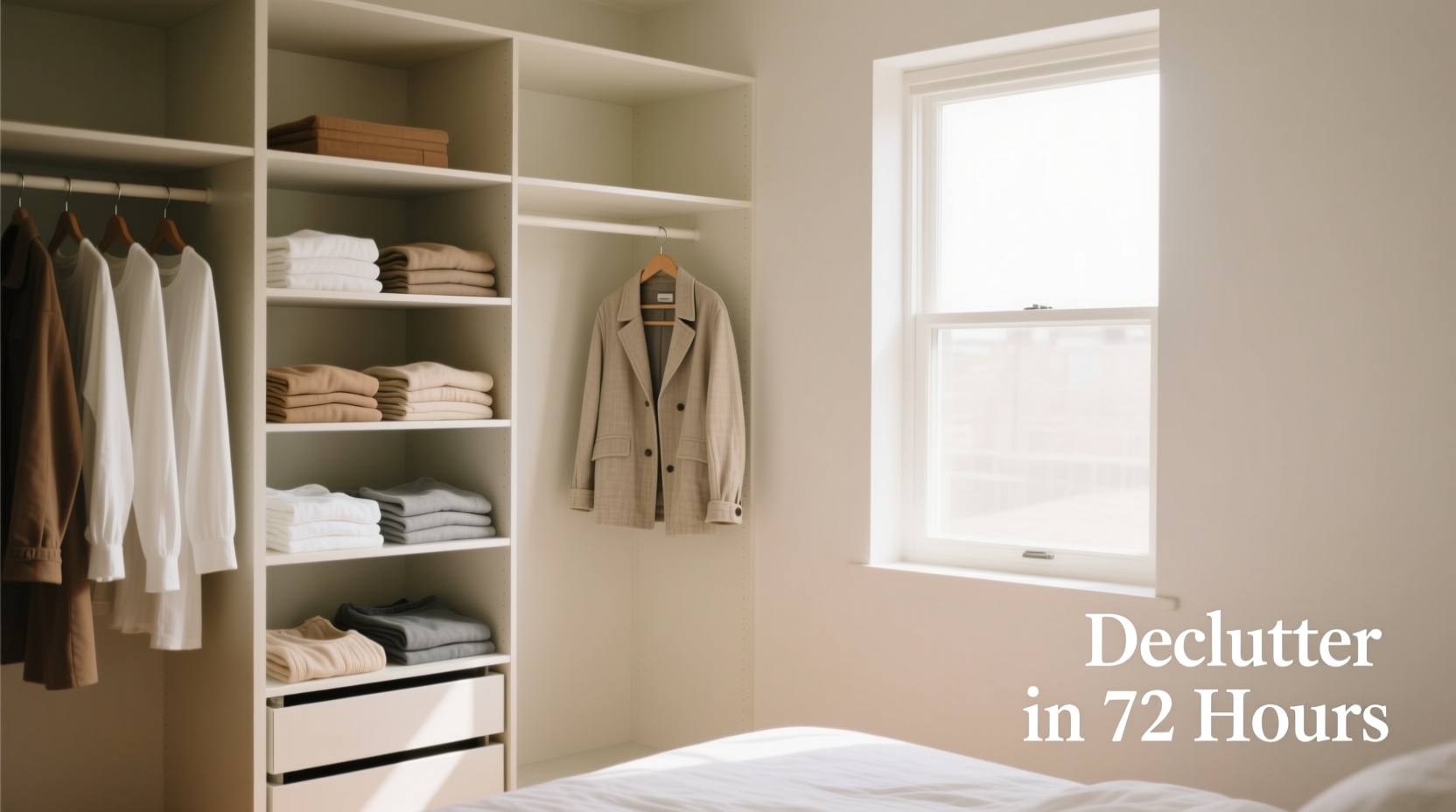
Minimalism in fashion is less about owning ten items and more about wearing what truly fits, functions, and brings value. A minimalist closet reduces decision fatigue, saves time, and often leads to better outfit coordination. Research from The Princeton Neuroscience Institute shows that physical clutter competes for attention, increasing stress and lowering focus. By streamlining your wardrobe, you’re not just organizing clothes—you’re creating mental space.
Unlike seasonal cleanouts that result in temporary order, the minimalist method encourages a mindset shift. It asks: Does this item serve me? Is it worn regularly? Does it reflect who I am now—not who I was five years ago? Answering honestly creates a wardrobe that aligns with your current life, values, and aesthetic.
“A minimalist wardrobe isn’t about having less for the sake of it. It’s about making room for more of what matters.” — Courtney Carver, founder of Be More With Less
Step-by-Step Weekend Plan
Completing a full closet declutter in two days is achievable with proper planning. The key is breaking the process into focused phases: preparation, sorting, editing, organizing, and maintaining. Follow this timeline to stay on track without burnout.
Saturday: Empty, Sort, and Evaluate
- Morning (9–10 AM): Gather Supplies
Collect laundry baskets or bins labeled: Keep, Donate, Repair, Maybe, and Discard. Have a measuring tape, garment bags, hangers, and a full-length mirror nearby. - 10 AM–12 PM: Remove Everything
Take every single clothing item out of your closet. Place shoes, accessories, and folded items on the bed or floor. Seeing everything together reveals patterns—duplicate basics, unworn trends, forgotten favorites. - 1–3 PM: Sort by Category
Create piles: tops, bottoms, dresses, outerwear, activewear, sleepwear, shoes, and accessories. Sorting by type prevents overlap and makes evaluation more accurate. - 3–6 PM: Apply the Minimalist Filter
Go through each category using these questions:- Have I worn this in the past 12 months?
- Does it fit my body and lifestyle today?
- Is it in good condition (no stains, holes, broken zippers)?
- Do I feel confident when I wear it?
- Would I buy this again if I saw it in a store today?
- Evening (7–8 PM): Handle the “Maybe” Pile
Revisit uncertain items. Try them on. Ask: Is hesitation due to fit, style, or emotional attachment? Most “maybes” can be released. Store only 3–5 items in a sealed bag labeled “Re-evaluate in 30 days” if absolutely necessary.
Sunday: Organize and Optimize
- Morning (9–11 AM): Clean & Prepare the Space
Wipe down shelves, vacuum the floor, and assess storage needs. Consider adding shelf dividers, slim hangers, or drawer organizers if helpful—but avoid buying new containers unless essential. - 11 AM–1 PM: Reorganize Thoughtfully
Return only the “Keep” items. Arrange by category and frequency of use:- Hang frequently worn tops, dresses, and jackets.
- Fold knits and casual wear in drawers or bins.
- Place shoes on racks or in clear boxes.
- Store off-season items under-bed or in labeled bins—if they passed the keep test.
- 2–3 PM: Final Review & Photo Documentation
Take a photo of your newly organized closet. This visual record reinforces progress and helps identify future imbalances (e.g., too many black sweaters). - 3–4 PM: Schedule Next Steps
Drop off donations, mail repair items, or schedule a consignment drop-off. Completing these tasks closes the loop and prevents backsliding.
The Minimalist Wardrobe Checklist
Use this checklist to ensure your post-declutter closet meets minimalist standards. Aim to keep only what passes all criteria.
- ✅ Each item fits well and feels comfortable
- ✅ Worn at least once in the past year
- ✅ Matches your current personal style
- ✅ Coordinates with at least three other pieces
- ✅ In excellent or repairable condition
- ✅ Serves a real purpose (work, exercise, travel, etc.)
- ✅ Stored neatly and visible (no buried items)
- ✅ Reflects who you are now—not who you were
If an item doesn’t meet these standards, it doesn’t belong in your everyday closet. Be honest: sentiment has its place, but not in daily rotation.
Common Pitfalls and How to Avoid Them
Even with the best intentions, people fall into predictable traps during closet decluttering. Recognizing them early increases your chances of lasting success.
| Pitfall | Why It Happens | How to Avoid |
|---|---|---|
| Keeping “someday” clothes | Hope of weight loss, event, or lifestyle change | Donate if unworn for over a year. Re-buy when needed. |
| Over-editing and feeling exposed | Removing too much too fast causes insecurity | Allow 5–7 transitional outfits. Build confidence gradually. |
| Ignoring maintenance systems | No plan for ongoing organization | Add a “donate bin” in the closet for quick drop-offs. |
| Emotional attachment overriding logic | Nostalgia for gifts or memories tied to clothing | Take photos of sentimental items before donating. |
| Buying replacements immediately | Feeling empty after decluttering | Wait 30 days. Often, the urge fades. |
Real Example: Sarah’s Closet Transformation
Sarah, a 34-year-old graphic designer from Portland, spent years accumulating clothes across jobs, seasons, and body changes. Her closet held 87 tops, 23 pairs of jeans, and 17 blazers—many unworn for years. After reading about capsule wardrobes, she committed to a minimalist weekend overhaul.
She started Saturday morning by removing everything. Shocked by the volume, she sorted meticulously. She let go of 60% of her wardrobe: outdated office wear, concert tees from college, and workout gear that no longer fit. The “maybe” pile had 12 items; after trying them on, she kept only two.
On Sunday, she cleaned the space, installed matching velvet hangers, and arranged clothes by color and function. She stored seasonal coats in vacuum bags and placed donated items in her car that afternoon.
Three weeks later, Sarah reported: “I get dressed faster, feel more put together, and actually enjoy opening my closet. I haven’t missed a single thing I gave away.”
Frequently Asked Questions
What if I don’t have a lot of money to replace missing essentials?
Minimalism isn’t about spending—it’s about simplifying. Focus on repairing what you already own. Mend seams, replace buttons, or tailor ill-fitting pieces. Buy only what fills a true gap, and choose versatile, durable fabrics like cotton, wool, or linen. Thrift stores and resale apps (like Poshmark or ThredUp) offer quality basics at low cost.
How many clothes should a minimalist closet have?
There’s no universal number. Some thrive with 30 pieces; others need 70. What matters is intentionality. A common starting point is 35–50 total items (including shoes and outerwear), but adjust based on climate, job, and lifestyle. The goal is to wear most items regularly, not to hit an arbitrary count.
Can I keep statement or special occasion pieces?
Yes—if they bring joy and are actually worn. A minimalist closet includes pieces for celebrations, interviews, or date nights. The key is honesty: if it’s been in the back for five years, it’s not serving you. Store occasional wear items separately if they disrupt daily access, but revisit them annually.
“The things you own end up owning you.” — Chuck Palahniuk, author of *Fight Club*
Conclusion: Start Simple, Stay Intentional
Decluttering your closet in one weekend using a minimalist approach isn’t just a cleaning project—it’s a reset button for your relationship with consumption, identity, and self-care. You’ve removed excess, created space, and built a system that supports ease and clarity. But the real work begins now: maintaining awareness. Every new purchase, every returned item, is a chance to reinforce your values.
Don’t aim for perfection. Aim for progress. If you occasionally stray, return to the principles: Does it fit? Do I wear it? Does it add value? These simple questions will keep your closet—and your mindset—aligned.




 浙公网安备
33010002000092号
浙公网安备
33010002000092号 浙B2-20120091-4
Comments
No comments yet. Why don't you start the discussion?