
A cluttered nightstand can quietly sabotage your sleep. It may seem like a small space, but the items you keep beside your bed send subtle signals to your brain—chaos or calm, distraction or peace. In today’s fast-paced world, where screens dominate and stress lingers into the evening, creating a serene nighttime environment is more important than ever. The nightstand, often used as a catch-all for forgotten chargers, half-read books, and random trinkets, becomes a visual reminder of unfinished business. By intentionally clearing and organizing this space, you set the tone for restful sleep and a more mindful wind-down ritual.
The Psychology of a Clutter-Free Nightstand
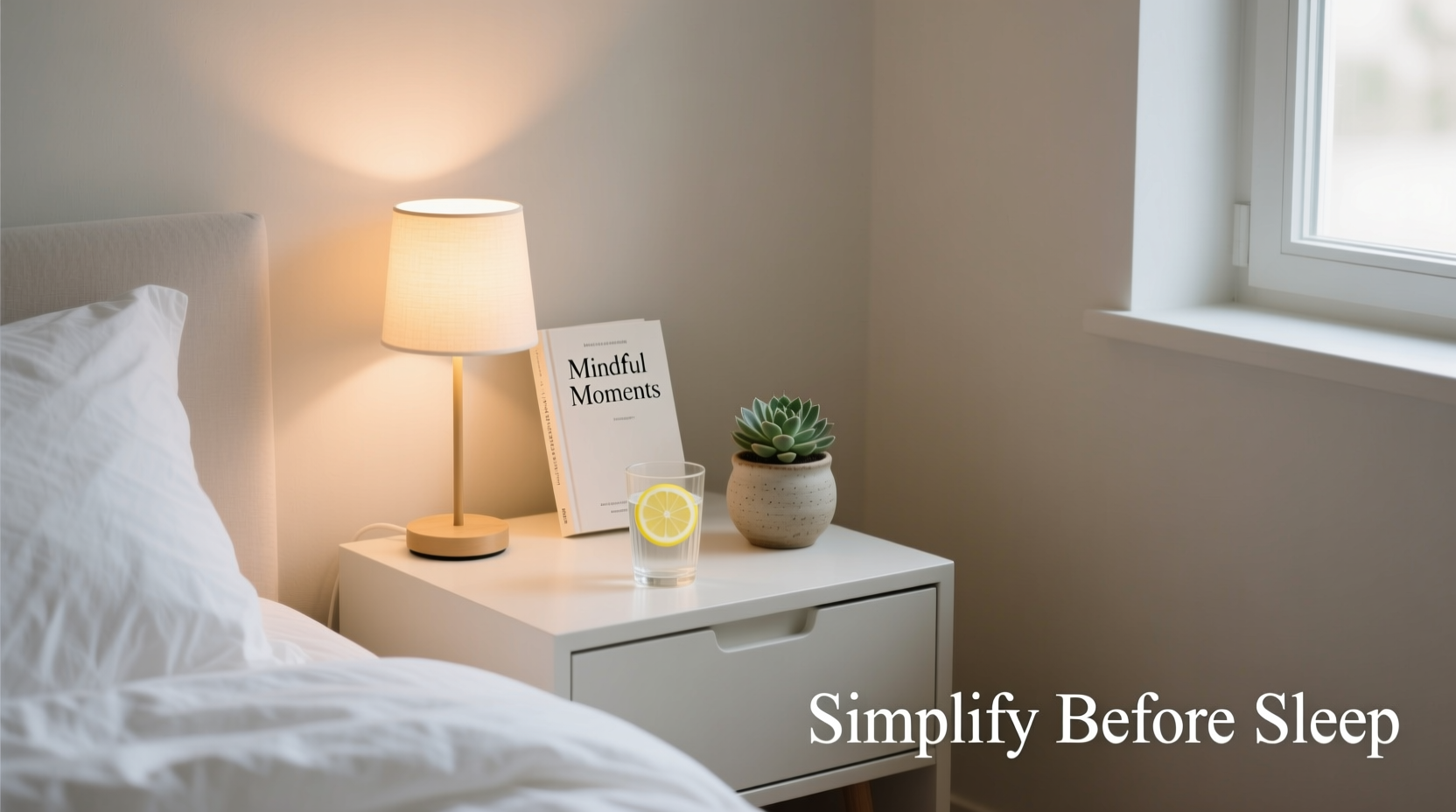
Your bedroom should function as a sanctuary, and the nightstand is its command center. According to environmental psychologists, clutter increases cognitive load—even minor disarray can elevate cortisol levels, making it harder to relax. A 2020 study published in the *Journal of Environmental Psychology* found that individuals who slept in tidy rooms reported falling asleep faster and experiencing higher sleep quality compared to those in cluttered environments.
The proximity of your nightstand to your resting head means everything on it is within immediate sight when you lie down. Items piled high—like unpaid bills, multiple devices, or tangled cords—subconsciously signal urgency and disorder. In contrast, a clean, intentional setup promotes mental stillness. When you remove distractions and only keep essentials, your mind follows suit.
“Your nightstand should support rest, not remind you of responsibilities.” — Dr. Lena Torres, Sleep Environment Specialist
A Step-by-Step Guide to Decluttering Your Nightstand
Decluttering doesn’t have to be overwhelming. Break it into manageable phases over one evening or spread across a few nights. Follow this timeline for lasting results:
- Empty Everything (Night 1): Remove all items from your nightstand. Place them on the bed or floor so you can assess each object without bias.
- Categorize (Night 1): Sort items into four groups: Keep, Relocate, Donate/Toss, and Undecided. Be honest—does that dried-up pen really belong here?
- Deep Clean (Night 1): Wipe down shelves, drawers, and surfaces with a gentle cleaner. This symbolic act reinforces a fresh start.
- Select Essentials (Night 2): Choose only what you use nightly. Limit yourself to five core items max.
- Organize Thoughtfully (Night 2): Use small trays, drawer dividers, or minimalist containers to group similar items neatly.
- Maintain Weekly (Ongoing): Dedicate two minutes every Sunday night to reset the space. Remove anything that doesn’t belong.
What Belongs—and What Doesn’t—on Your Nightstand
Not all items are created equal when it comes to nighttime functionality. Some enhance relaxation; others disrupt it. Use the table below to evaluate what stays and what goes.
| Recommended Items | Purpose | Common Mistakes |
|---|---|---|
| Lamp or dimmable light | Soft lighting supports melatonin production | Bright overhead lights or blue-toned LEDs |
| One book or journal | Encourages reading or reflection before sleep | Multiple unread books piling up |
| Water glass or bottle | Prevents midnight dehydration | Leaving spills or using open cups that attract insects |
| Phone (in Do Not Disturb mode) | Alarm access without temptation | Using it for scrolling, emails, or work |
| Medication (if time-sensitive) | Ensures timely dosing | Storing expired pills or unnecessary supplements |
- Relocate these: Work documents, wallets, gym clothes, extra chargers, snacks, coffee mugs.
- Remove immediately: Dusty knickknacks, dead plants, broken electronics, empty bottles.
Why Less Is More
Minimalism isn’t about deprivation—it’s about intentionality. Every object you allow into your sleeping space should serve a purpose: comfort, safety, or calm. When you limit your nightstand to only what you truly need, you reduce decision fatigue at bedtime. No more shuffling through piles to find your glasses or tripping over cords. Instead, you create a ritual-friendly zone where everything has a place and a reason.
Real-Life Example: Sarah’s Transformation
Sarah, a 34-year-old project manager from Portland, used her nightstand as a dumping ground. “I’d come home, toss my phone, keys, and planner on the nightstand, and think I’d deal with it tomorrow,” she recalls. Her surface was crowded with sticky notes, three different lip balms, a water-stained novel, and two charging cables. She often woke feeling groggy and anxious.
After reading about sleep hygiene, Sarah decided to overhaul her nightstand. She removed everything except a small lamp, a journal, her prescription medication, and a glass of water. She placed her phone in a basket on the dresser across the room—charging overnight but out of reach. Within a week, she noticed she was reading more before bed instead of scrolling. “It sounds silly, but seeing that clear surface made me feel like I had permission to slow down,” she says. Two months later, her average sleep duration increased by 45 minutes, and her morning focus improved significantly.
Expert Tips for Long-Term Success
Maintaining a clutter-free nightstand requires awareness and consistency. Here are seven professional-backed strategies to help you stay on track:
- Charge phones elsewhere: Designate a charging station outside the bedroom. This reduces temptation and improves sleep quality by minimizing blue light exposure.
- Rotate seasonal items: Store reading glasses in winter, sunscreen in summer. Only keep what’s relevant now.
- Use drawer organizers: If your nightstand has a drawer, use a foam insert or fabric divider to separate small objects like earplugs, eye masks, or nail clippers.
- Limit decorative pieces: One calming object—a candle, a smooth stone, or a framed photo—is enough. More than that becomes visual noise.
- Label if needed: For shared nightstands, use discreet labels inside drawers to avoid confusion and maintain order.
- Choose functional furniture: Opt for nightstands with built-in outlets, USB ports, or hidden compartments to reduce cord clutter.
- Practice the “one in, one out” rule: Every time you add a new item, remove an old one. This prevents gradual accumulation.
“The most effective nightstands aren’t perfectly styled—they’re sustainably simple.” — Marcus Lin, Interior Designer & Wellness Advocate
Checklist: Build Your Ideal Nightstand Setup
Follow this actionable checklist to create a peaceful, functional nightstand in under 30 minutes:
- Remove all items from the surface and drawers.
- Wipe down every surface with a damp cloth.
- Sort items into Keep, Relocate, Toss, or Donate.
- Decide on your top five essentials (e.g., lamp, book, water, meds, journal).
- Store remaining essentials in drawers or trays—keep surface clear.
- Ensure cords are secured with clips or ties.
- Place phone in airplane mode or outside the bedroom.
- Add one calming element (e.g., a plant, essential oil diffuser, or soft fabric coaster).
- Set a weekly reminder to reassess the space.
- Enjoy your new, serene bedtime ritual.
Frequently Asked Questions
Can I keep my phone on the nightstand?
You can—but with conditions. If you use it as an alarm, enable grayscale mode, turn on Do Not Disturb, and place it face down. Better yet, invest in a dedicated alarm clock and charge your phone in another room to eliminate temptation and improve sleep hygiene.
How many items should I keep on my nightstand?
Aim for no more than five essential items. This includes functional objects like a lamp, a glass of water, a book, medication, or a journal. Fewer items mean less visual clutter and a clearer mind.
What if I have limited space or a small nightstand?
Maximize vertical space with adhesive hooks for eyeglasses or headbands. Use stackable trays or magnetic strips for small metal items. Prioritize necessity over convenience—if it’s not used nightly, store it elsewhere.
Final Thoughts: Transform Your Bedtime Experience
Decluttering your nightstand is more than a cleaning task—it’s a commitment to better rest and self-care. That small surface holds disproportionate power over your ability to unwind, disconnect, and drift into peaceful sleep. When you remove the excess, you make room not just physically, but mentally. You signal to your body that this is a space for release, not responsibility.
Start tonight. Take ten minutes to clear the surface, clean the wood, and thoughtfully return only what serves your well-being. Notice how the simplicity feels. Over time, this small act becomes part of a larger shift—one where your bedroom evolves from a storage zone to a true retreat.




 浙公网安备
33010002000092号
浙公网安备
33010002000092号 浙B2-20120091-4
Comments
No comments yet. Why don't you start the discussion?