
Dorm rooms are often small, bland, and restrictive—especially when it comes to personalizing your space. Most university housing prohibits nails, screws, tape, or any adhesive that could damage walls. Yet, transforming your dorm into a cozy, expressive sanctuary doesn’t require drilling holes or spending hundreds of dollars. With smart strategies and a few clever products, you can elevate your living space while staying within budget and policy.
The key lies in temporary, removable, and multipurpose decor. Whether you’re a freshman stepping into communal living for the first time or a returning student looking to refresh your setup, this guide offers practical, tested methods to personalize your room without risking fines or damaging surfaces.
1. Start with Removable Wall Solutions
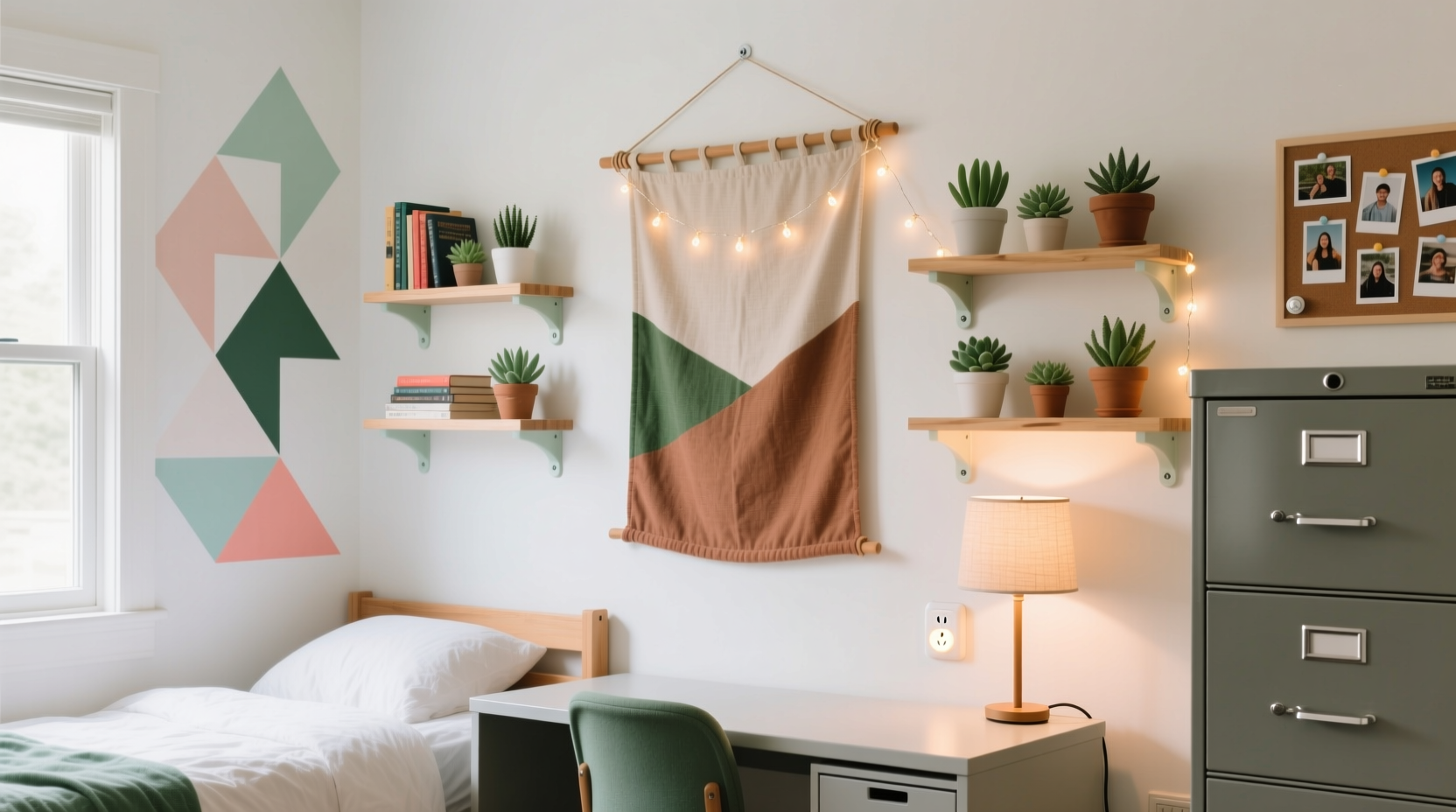
One of the biggest challenges in dorm decorating is finding ways to hang things without leaving marks. Traditional tape, tacks, or nails are off-limits, but several innovative alternatives allow secure hanging with no residue or damage.
Fabric wall panels are a game-changer. These lightweight textiles attach to the wall using poster putty or removable adhesive strips and act as both decoration and sound dampeners. Choose vibrant patterns or calming neutrals based on your mood preference. They can be swapped out between semesters and stored flat in a drawer.
Washi tape is another favorite among college students. Unlike duct or masking tape, washi tape comes in endless colors and designs and removes cleanly. Use it to create geometric wall art, frame mirrors, or outline a vision board. It’s also perfect for labeling storage bins or creating a faux headboard outline behind your bed.
For artwork or photos, use peel-and-stick mounting squares like Command Strips or 3M Magic Tape. These hold lightweight frames, string lights, or shelves securely and come off with a simple tug. Just follow the removal instructions carefully—slowly stretch the tab downward to release the adhesive bond without peeling paint.
2. Maximize Space with Multi-Functional Furniture
Dorm rooms average around 120 square feet, so every inch counts. Choosing furniture that serves more than one purpose reduces clutter and increases comfort without requiring structural changes.
| Furniture Type | Functionality Benefit | Budget-Friendly Option |
|---|---|---|
| Storage ottoman | Seat + hidden storage for blankets or shoes | $25–$40 from Target or Amazon |
| Folding desk riser | Elevates laptop, creates space underneath for printer or bins | $30–$50, wood or bamboo |
| Loft bed risers | Gains vertical space for seating or mini-fridge | Plastic or wooden blocks, $15/set |
| Over-the-door organizers | Holds toiletries, snacks, or stationery—no wall contact | $10–$20, mesh or fabric |
A lofted bed opens up floor space for a small chair, study nook, or even a standing yoga mat. If your dorm bed isn’t loftable by policy, consider using sturdy bed risers to gain a few extra inches. Place rolling under-bed storage containers beneath for easy access to off-season clothes or extra linens.
“Students who personalize their space report higher levels of comfort and academic focus.” — Dr. Lisa Tran, Campus Mental Health Researcher, University of Michigan
3. Create Ambiance with Lighting and Textiles
Harsh overhead lighting makes any room feel institutional. Replacing the mood starts with soft, layered lighting and tactile fabrics that add warmth.
String lights are nearly universal in dorm decor—and for good reason. They provide gentle illumination, are battery- or USB-powered (so no outlet overload), and can be draped along bed frames, windows, or shelves. Opt for warm white LEDs to avoid a cold blue tone that disrupts sleep.
Clip-on bookshelf lights are excellent for studying. They attach magnetically or with tension arms and don’t require installation. Position one above your desk or nightstand for focused task lighting without glare.
Textiles play a major role in emotional comfort. A plush rug anchors the space and reduces echo in tile or hardwood-floored rooms. Look for low-pile, non-slip rugs under 3’x5’ to fit tight spaces. Faux sheepskin throws, decorative pillows, and blackout curtains (if allowed) add softness and improve sleep quality.
4. Personalize Without Permanence: A Step-by-Step Guide
Follow this five-step process to decorate thoughtfully and sustainably throughout the semester.
- Assess your space: Measure your bed, desk, closet, and available wall areas. Sketch a rough layout to visualize furniture placement.
- Set a budget: Allocate funds across categories—$50 for lighting, $30 for textiles, $20 for wall decor, etc. Stick to thrift stores, dollar shops, or campus buy/sell groups.
- Choose a color scheme: Pick 2–3 base colors and an accent shade. This keeps decor cohesive even if items are acquired over time.
- Install removable features: Apply washi tape borders, hang art with adhesive strips, and drape string lights before moving in larger items.
- Add personal touches: Display photos in clip frames, use a bulletin board for notes and tickets, and rotate seasonal decor (e.g., fall leaves in a jar, holiday lights).
This method ensures you don’t overspend early or end up with mismatched pieces. It also allows flexibility—swap out elements between semesters or as your taste evolves.
Real Example: Maya’s Dorm Transformation
Maya, a sophomore biology major at Ohio State, moved into a double dorm with cinderblock walls and fluorescent lighting. Her goal was to make the room feel calm and productive without exceeding a $100 budget.
She began by painting a large canvas in soft sage green and white abstract shapes—her own artwork framed with a thrifted black frame. Using Command Picture Hanging Strips, she mounted it above her bed. She added LED string lights along the edge of her lofted bed frame and clipped a flexible gooseneck lamp to her desk.
Under-bed, she used two rolling bins labeled “Lab Gear” and “Off-Season.” A memory board made from a $5 foam core sheet and colorful push pins (allowed by policy) held class schedules and concert stubs. Her roommate loved fairy lights, so they coordinated warm white strands across both sides.
Total spent: $97. No damage, no violations. “I actually look forward to coming back to my room now,” Maya said. “It feels like mine.”
5. Smart Shopping: Do’s and Don’ts
Decorating on a budget means making strategic choices. Avoid impulse buys and focus on versatile, long-lasting pieces.
| Do | Don’t |
|---|---|
| Shop secondhand via campus Facebook groups or thrift stores | Buy bulky furniture that won’t fit through doorways |
| Invest in one statement piece (e.g., a vintage mirror or patterned rug) | Spend heavily on trendy items that may go out of style |
| Use adhesive products rated for your surface (e.g., painted drywall vs. concrete) | Use duct tape, thumbtacks, or permanent glue |
| Repurpose household items (mason jars for pens, scarves as wall hangings) | Ignore dorm check-in policies on electronics or extension cords |
Many students overlook the value of repurposing. A colorful scarf can become a tapestry. Collected coffee sleeves can be glued into a textured wall mosaic. Empty jars? Perfect pen holders or candle lanterns. Creativity trumps cost every time.
Checklist: Zero-Damage Dorm Decor Essentials
- Removable adhesive strips (Command or generic)
- Washi tape (2–3 colors/patterns)
- LED string lights (battery or USB-powered)
- Non-slip area rug (under 3’x5’)
- Over-the-door organizer
- Clip-on or stand-up desk lamp
- Fabric pinboard or foam-core bulletin board
- Rolling under-bed storage containers
- Personal photos or artwork in lightweight frames
- Soft textiles: throw blanket, pillow, or cushion
FAQ
Can I paint my dorm walls?
No, most universities prohibit painting due to restoration requirements. Instead, use removable wall decals, fabric panels, or tapestries to change the look of your walls without altering paint.
What if my roommate dislikes my decor style?
Respect shared space by dividing the room visually—use rugs or screens to define zones. Coordinate on neutral lighting and agree on noise-friendly decor (e.g., no flashing lights late at night). Communication is key; schedule a setup meeting before finalizing major additions.
Will adhesive strips really not damage the walls?
When used correctly and removed as directed, high-quality adhesive strips (like Command) should leave no residue or damage. However, results depend on surface cleanliness, humidity, and paint type. Always follow package instructions and stretch the removal tab slowly downward.
Final Thoughts: Make It Yours—Without the Risk
Your dorm room doesn’t need to feel temporary just because it is. With thoughtful planning and renter-safe techniques, you can craft a space that reflects your personality, supports your well-being, and functions efficiently—all without spending much or breaking rules.
Focus on layers: light, texture, color, and memory. These elements transform sterile spaces into meaningful environments. And remember, the best decor grows with you. Start simple, add gradually, and let your room evolve alongside your college journey.




 浙公网安备
33010002000092号
浙公网安备
33010002000092号 浙B2-20120091-4
Comments
No comments yet. Why don't you start the discussion?