
Dorm rooms are often criticized for their bland, institutional look—four blank walls, fluorescent lighting, and minimal space. But that doesn’t mean your personal sanctuary has to feel impersonal. With the right tools, you can transform even the most generic dorm into a cozy, expressive retreat. Two of the most effective, non-permanent upgrades available today are removable wallpaper and LED string lights. Together, they offer bold visual impact without violating housing rules or risking deposit deductions.
These decor choices are especially ideal for college students who need flexibility, affordability, and ease of installation. Removable wallpaper adds texture and pattern where paint isn’t allowed, while LED string lights provide warmth and ambiance in spaces dominated by harsh overheads. When used thoughtfully, these elements elevate both function and mood—making studying more enjoyable and relaxation truly restful.
Why Choose Removable Wallpaper?
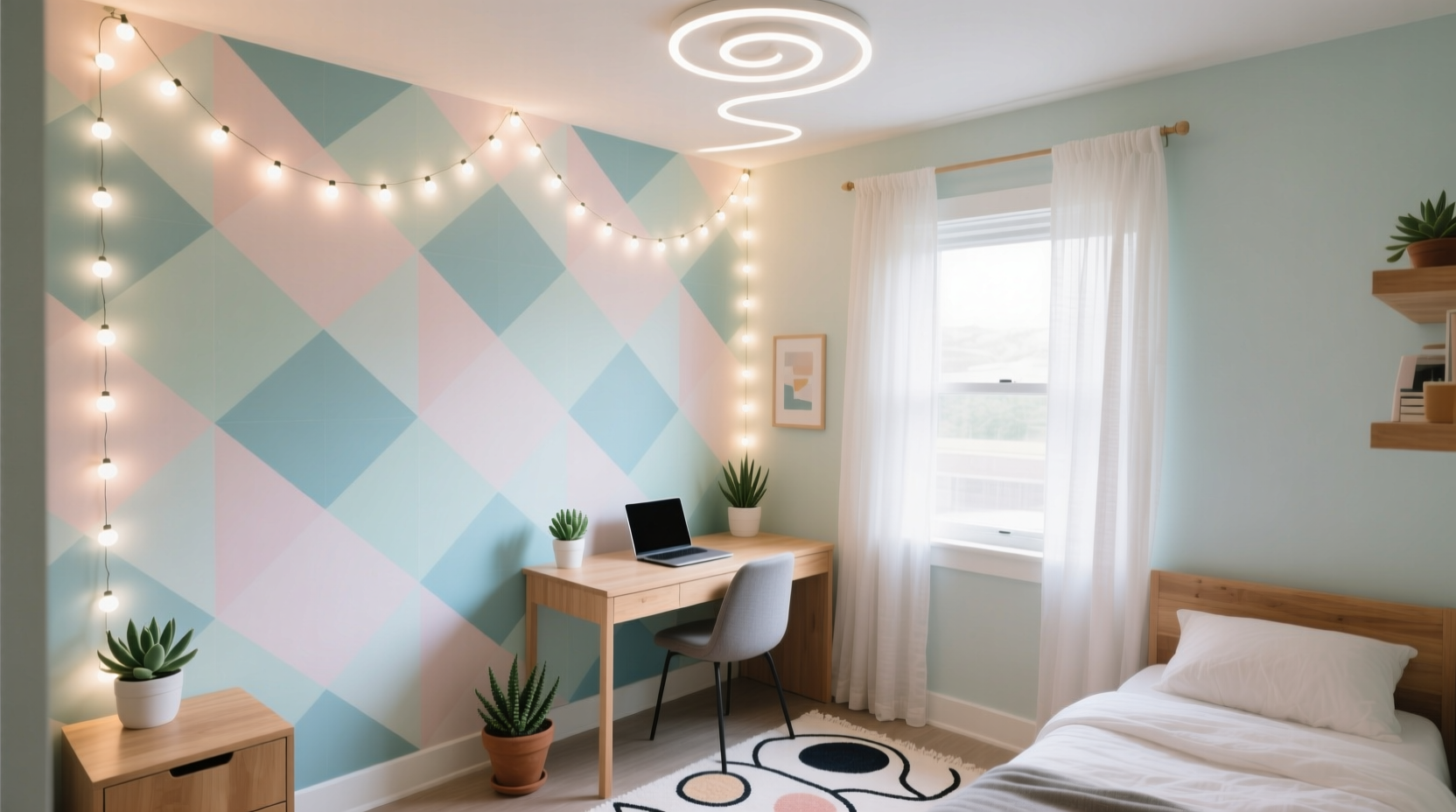
Traditional dorm decor options are limited. You can't paint, nail heavy items into walls, or make structural changes. That’s where removable wallpaper shines. Unlike permanent wallpaper that requires glue and can peel paint upon removal, modern peel-and-stick versions adhere gently to surfaces and come off cleanly when it's time to move out.
Removable wallpaper is available in countless designs—from minimalist geometric patterns to lush botanical prints and even faux brick or wood textures. It allows students to reflect their personality without long-term commitment. Whether you want an accent wall behind your bed or subtle patterned borders around mirrors and shelves, this material offers design freedom within strict housing guidelines.
Installation is straightforward: measure the area, cut the paper to size, peel off the backing, and smooth it onto the wall using a squeegee or credit card to eliminate bubbles. Most brands recommend waiting 72 hours after application before removing to ensure proper bonding—yet still allow full removal later without residue.
Selecting the Right LED String Lights
If removable wallpaper brings character to your walls, LED string lights bring soul to your space. These delicate strands of light do more than illuminate—they set moods, highlight features, and create intimacy in tight quarters.
Available in warm white, cool white, multicolor, and even programmable RGB options, LED string lights consume minimal energy, generate little heat, and last thousands of hours. Many models are battery-powered or USB-rechargeable, eliminating the need for constant outlet access—a major advantage in crowded dorms where outlets are shared.
When choosing lights, consider length, brightness control, and power source. For example, a 16-foot strand works well across a headboard or ceiling perimeter, while shorter 3–5 foot strings suit desks or shelving units. Look for models with memory functions so your preferred setting (e.g., soft glow or gentle pulse) saves automatically each time you turn them on.
“Lighting is the fastest way to change how a space feels. In student housing, where color and layout are restricted, strategic lighting becomes essential.” — Lena Torres, Interior Designer & Dorm Styling Consultant
Step-by-Step: Installing Your Decor Safely and Effectively
Even the best materials won’t deliver results if installed poorly. Follow this timeline to ensure a polished, damage-free transformation.
- Plan your layout (Day 1): Sketch your room on paper or use a digital planner. Decide where wallpaper will go—behind the bed, along a study nook, or framing a mirror. Mark where lights will hang: above the desk, around a bulletin board, or draping from ceiling corners.
- Purchase samples (Day 2): Order small swatches of 2–3 wallpaper styles and test them under natural and artificial light. Try different light settings during evening hours to see which tone suits your vibe.
- Clean and prep surfaces (Day 3): Wipe walls with a dry microfiber cloth. Avoid water or cleaning sprays, which can leave residue affecting adhesion. Let surfaces dry completely.
- Install wallpaper (Day 4): Begin at the top edge and work downward. Use a level or ruler to keep lines straight. Work slowly to avoid air pockets. If bubbles form, gently lift and re-smooth.
- Hang string lights (Day 5): Use adhesive hooks rated for lightweight décor (not nails or tape that could mar paint). Space hooks evenly—every 12–18 inches—for a uniform drape. Route cords neatly behind furniture or along baseboards.
- Test and adjust (Day 6): Turn off main lights to evaluate ambiance. Adjust light placement or add clusters near functional areas like reading chairs or vanities.
Design Combinations That Work
The magic happens when wallpaper and lighting complement each other. Here are three proven pairings:
- Boho Chic: Pair tassel-edged mandala-patterned wallpaper with warm white fairy lights draped loosely over a macramé wall hanging.
- Modern Minimalist: Use monochrome grid-pattern wallpaper as a backdrop for crisp white LEDs arranged in clean horizontal lines above a floating shelf.
- Retro Vibes: Go for vintage floral or psychedelic swirls in muted tones, then layer with multicolor twinkle lights shaped into arcs or zigzags.
Balance is key. If your wallpaper is bold and busy, opt for simple, single-color lighting. If the wall covering is subtle, let the lights become the focal point with dynamic arrangements—like outlining a dreamcatcher or forming a canopy above your bed.
Do’s and Don’ts: A Quick Reference Table
| Category | Do | Don’t |
|---|---|---|
| Wallpaper | Use a smoothing tool during application | Apply over dusty or greasy walls |
| Lights | Use cord clips to manage excess wire | Drape lights over bedding or flammable materials |
| Safety | Check university policy on electrical décor | Leave lights unattended overnight |
| Removal | Pull wallpaper at a 180-degree angle slowly | Yank aggressively or use solvents |
Real Example: Maya’s Mid-Semester Makeover
Maya, a sophomore psychology major, dreaded returning to her dorm after winter break. The beige walls and flickering ceiling light made her room feel like a hospital corridor. She had $120 to spend and needed everything removable.
She ordered a roll of matte-finish terrazzo-patterned wallpaper to cover the wall behind her bed. After watching a tutorial, she applied it over one afternoon, trimming carefully around outlets. Then, she bought two 16-foot strands of warm white LED string lights—one to frame her corkboard of photos, another to drape across the headboard.
The difference was immediate. Her roommate commented that the space felt “instantly calmer.” Maya found herself studying longer at her desk because the lighting reduced eye strain. At night, turning on the LEDs created a peaceful wind-down atmosphere. When finals week arrived, she credited her improved focus partly to the environment she’d built.
At move-out, she removed the wallpaper in under ten minutes. No residue, no damage—just a transformed experience packed into eight months of school life.
Essential Checklist Before You Begin
Before purchasing supplies, run through this checklist to ensure success:
- ✅ Confirm your dorm’s policy on wall modifications and electrical décor
- ✅ Measure wall dimensions accurately for wallpaper needs
- ✅ Choose a wallpaper pattern that complements existing furniture and bedding
- ✅ Select LED lights with safe power options (battery/USB preferred)
- ✅ Buy adhesive hooks designed for delicate surfaces
- ✅ Keep original packaging in case returns or exchanges are needed
- ✅ Schedule installation during a low-stress week—not during midterms or finals
Frequently Asked Questions
Can I reuse removable wallpaper after taking it down?
Generally, no. Once peeled from the wall, the adhesive loses its grip and the paper may stretch or tear. While some claim partial reuse on small patches, it’s best treated as a single-use product.
Are LED string lights safe to leave on overnight?
While LEDs run cooler than traditional bulbs, most universities prohibit leaving any decorative lights on unattended or while sleeping due to fire code regulations. Always follow campus rules and use timers or smart switches to auto-shut off after bedtime.
Will wallpaper damage textured walls common in dorms?
It depends. Most peel-and-stick papers work on lightly textured surfaces, but deeply stippled or porous walls may prevent proper adhesion or leave minor fuzz upon removal. Always test a small corner first and inspect closely after peeling.
Final Thoughts: Create a Space That Supports You
Your dorm room is more than a place to sleep—it’s where you study, decompress, host friends, and build memories. Investing time and care into its design isn’t frivolous; it’s an act of self-respect. Removable wallpaper and LED string lights are not just decorative accents—they’re tools for psychological comfort, productivity, and identity expression.
You don’t need a large budget or permanent changes to make a lasting impact. Start small: one accent wall, one string of lights. See how it shifts your daily experience. Then refine, expand, and personalize further. The goal isn’t perfection—it’s creating a space that feels unmistakably yours, even within temporary walls.




 浙公网安备
33010002000092号
浙公网安备
33010002000092号 浙B2-20120091-4
Comments
No comments yet. Why don't you start the discussion?