
Dorm life is often the first taste of independence for college students, and personalizing your space is a natural part of making it feel like home. However, many schools enforce strict housing guidelines to ensure safety, fairness, and structural integrity. The challenge lies in expressing individuality without triggering a violation notice or risking fines. The good news? You don’t have to sacrifice style for compliance. With thoughtful planning and creative alternatives, you can transform your dorm into a cozy, inspiring retreat—while fully respecting institutional rules.
Understand Your School’s Housing Policies First
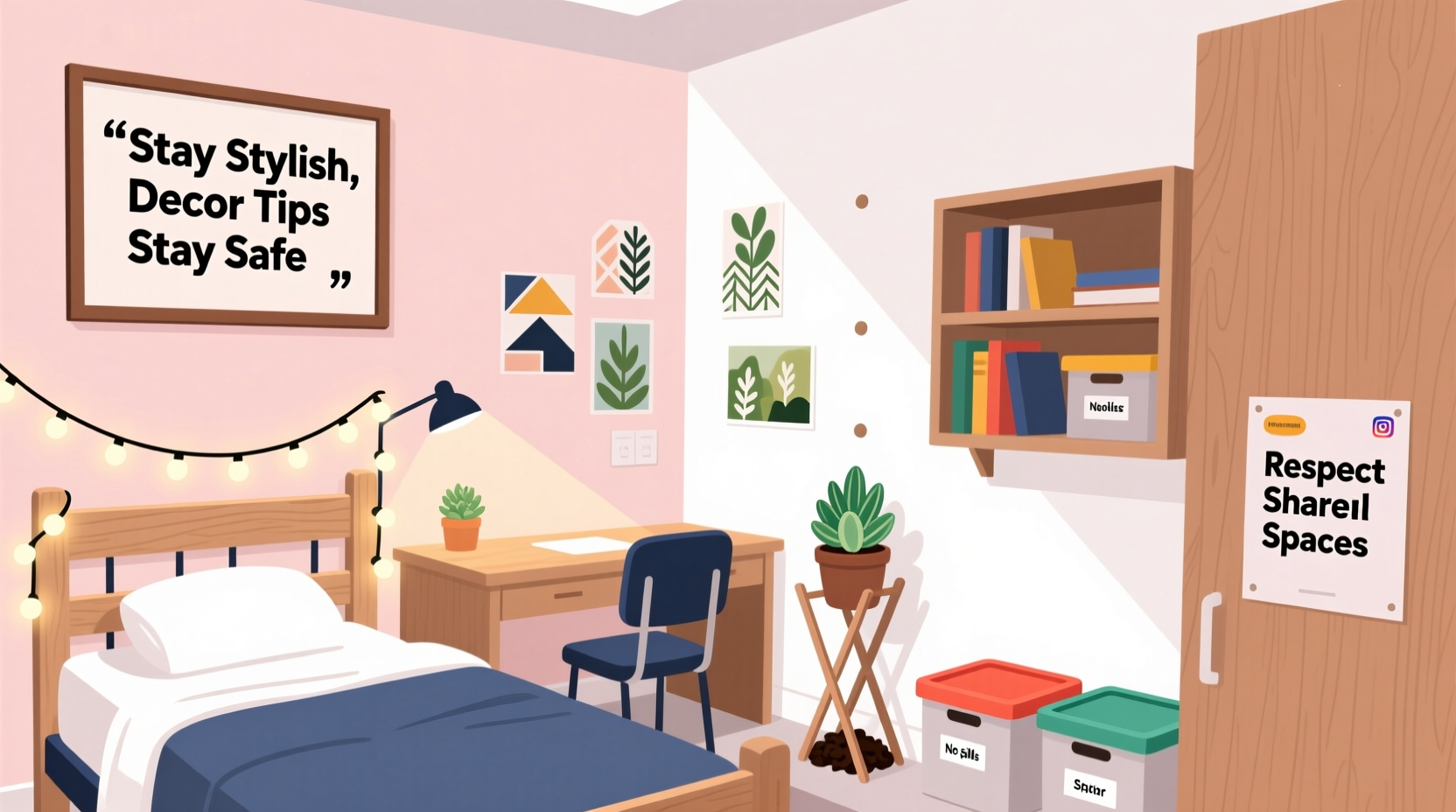
Before hanging a single poster or plugging in a string light, take time to thoroughly review your institution’s official housing agreement. These documents are more than legal formalities—they’re roadmaps to what’s allowed and what could get you in trouble. Common restrictions include prohibitions on:
- Wall adhesives (tape, nails, tacks, glue)
- Extension cords and power strips without surge protection
- Candles, incense, or open-flame devices
- Painting or altering furniture
- Drilling holes or mounting heavy objects
- Using rugs made of flammable materials
Some schools categorize violations by severity. Minor infractions might result in a warning, while repeated or dangerous breaches—like using unapproved electrical devices—can lead to disciplinary action or even removal from housing.
Why Policy Compliance Matters Beyond Avoiding Fines
Following the rules isn’t just about avoiding penalties—it contributes to a safer, more equitable living environment. Fire-resistant materials, regulated electrical use, and non-damaging décor practices protect everyone in the building. As residence hall advisor Maya Tran explained:
“Last semester, a student used adhesive hooks that pulled paint off the wall. It wasn’t malicious, but it cost $75 in damages—and delayed room prep for the next occupant. Simple choices matter.” — Maya Tran, University Residence Coordinator
Decorate Without Damaging Walls
One of the biggest challenges in dorm decorating is enhancing walls without leaving marks. Most institutions prohibit anything that penetrates or adheres permanently to surfaces. But that doesn’t mean blank walls are inevitable.
Use Damage-Free Hanging Alternatives
Instead of tape or thumbtacks, opt for solutions designed to hold lightweight items safely:
- Fabric clips on tension rods: Install a thin tension rod between walls (e.g., above a desk or closet) and clip photos, postcards, or fabric banners to it.
- Premium removable adhesive hooks: Use products like Command™ brand hooks, which are explicitly marketed as damage-free when removed correctly. Always follow weight limits.
- Over-the-door organizers: These can double as display spaces. Hang artwork in clear pockets or attach lightweight shelves for small plants or books.
- Mirror clips with adhesive backing: Designed to hold paper notes or photos without damaging surfaces.
Alternative Wall Surfaces
If walls are off-limits, redirect your creativity:
- Use your closet door: Many schools allow décor on the interior side of closet doors. Hang a fabric pinboard or magnetic sheet to display photos.
- Desk dividers: Freestanding acrylic or fabric-covered panels can serve as mini galleries and offer privacy in shared rooms.
- Furniture sides: Attach décor to the side of dressers or under-bed storage units using safe adhesives.
Lighting: Style Within Safety Limits
Lighting dramatically affects mood and functionality, but dorms often restrict types of lights due to fire risk. Standard incandescent lamps, extension cords, and halogen bulbs are commonly banned.
Approved Lighting Options
- LED string lights: Battery-operated or USB-powered versions are widely permitted because they generate minimal heat and draw low power.
- Clip-on desk lamps: Choose models with built-in surge protection and LED bulbs.
- Nightlights: Plug-in, low-wattage options are usually acceptable.
Avoid wrapping lights around bedding, curtains, or flammable materials—even if they’re cool to the touch.
| Lighting Type | Typically Allowed? | Notes |
|---|---|---|
| USB LED string lights | Yes | Ensure cord is not frayed; unplug when not in use |
| Plug-in string lights | No | Often require surge protectors; may overload circuits |
| Halogen floor lamp | No | High heat output; fire hazard |
| Clip-on LED desk lamp | Yes | Must be UL-listed and properly grounded |
Step-by-Step: Create a Policy-Friendly Décor Plan
Follow this sequence to design a personalized, rule-compliant dorm space:
- Review your housing agreement: Print or save the relevant sections. Highlight décor, electrical, and furniture rules.
- Measure your space: Note dimensions of walls, furniture, and outlets. This helps avoid overcrowding or unsafe setups.
- Choose a theme or color scheme: Focus on textiles and portable accessories (pillows, blankets, bins) that can travel with you after graduation.
- Select damage-free hanging methods: Purchase only approved adhesives or non-penetrating mounts.
- Test lighting safety: Plug in all electrical items and check for overheating or flickering. Keep cords clear of foot traffic.
- Arrange for easy inspection: Ensure emergency exits, smoke detectors, and HVAC vents remain unobstructed.
- Document your setup: Take photos. If questioned, you can prove your décor was compliant at installation.
Real Example: How Sarah Styled Her Dorm Legally
Sarah, a sophomore at Midwestern State University, wanted her double room to reflect her love of vintage aesthetics without breaking any rules. She began by reading the housing policy, noting that nails, candles, and ungrounded electronics were prohibited.
Her solution:
- Used black-and-white photo prints clipped to a thin copper tension rod above her bed.
- Added softness with a flame-resistant faux sheepskin rug from a certified vendor.
- Installed battery-powered Edison-style bulb string lights along the headboard (no wiring needed).
- Mounted a full-length mirror with Command™ strips instead of screws.
- Used a UL-listed power strip with an automatic shutoff feature for her laptop, lamp, and phone charger.
When a routine inspection occurred, the RA complimented her creativity and noted her adherence to safety standards. “I didn’t want to risk my housing,” Sarah said. “But I also didn’t want to live in a cell. It’s possible to do both right.”
Checklist: Dorm Décor Compliance Guide
Use this checklist before finalizing your setup:
- ✅ Reviewed official housing policy on décor and electronics
- ✅ Used only damage-free adhesives or non-penetrating mounts
- ✅ Avoided candles, incense, or open flames
- ✅ Chose LED or low-heat lighting options
- ✅ Used surge-protected power strips (if allowed)
- ✅ Kept emergency exits, vents, and detectors unobstructed
- ✅ Selected fire-resistant textiles (look for FR labeling)
- ✅ Documented setup with photos for reference
Frequently Asked Questions
Can I paint my dorm walls if I promise to repaint them before moving out?
No. Most institutions prohibit any form of painting, regardless of intent to restore. Paint can trigger chemical sensitivities, violate fire codes, or require professional remediation. Instead, use removable wallpaper or large tapestries hung with safe methods.
Are fairy lights really banned in some dorms?
Plug-in fairy lights often are, especially if they lack surge protection or use incandescent bulbs. However, battery- or USB-powered LED versions are typically allowed. Always verify with your housing office before installing any string lights.
What should I do if my RA says something violates policy?
Respond respectfully and ask for clarification. Request the specific rule and consider alternatives. Most RAs appreciate students who aim to comply. Removing the item promptly and offering to document changes can prevent escalation.
Final Thoughts: Express Yourself Responsibly
Decorating a dorm room within school policies isn’t about limitation—it’s about innovation. Constraints often spark the most creative solutions. By understanding the reasoning behind rules, choosing smart alternatives, and planning intentionally, you can craft a space that feels uniquely yours while maintaining safety and respect for your community.
Your dorm doesn’t need permanent fixtures or risky setups to reflect who you are. With thoughtful choices in lighting, layout, and décor, you can build comfort, inspiration, and personality—all within the boundaries of policy.




 浙公网安备
33010002000092号
浙公网安备
33010002000092号 浙B2-20120091-4
Comments
No comments yet. Why don't you start the discussion?