
As the holiday season approaches, the urge to bring festive cheer into the workplace grows stronger. But in a shared office environment, decorating can quickly become a minefield of conflicting tastes, cultural sensitivities, and spatial limitations. The goal isn’t to eliminate holiday spirit—it’s to express it thoughtfully. A well-decorated shared workspace should feel warm and inviting without overwhelming desks, disrupting workflows, or alienating colleagues. The key lies in minimalism: choosing meaningful, low-impact decorations that foster unity rather than division.
This guide offers practical strategies for enhancing your shared office with subtle, tasteful holiday touches. From inclusive design principles to space-saving solutions, you’ll learn how to celebrate the season while maintaining professionalism, respect, and visual calm.
Respect Shared Space Dynamics
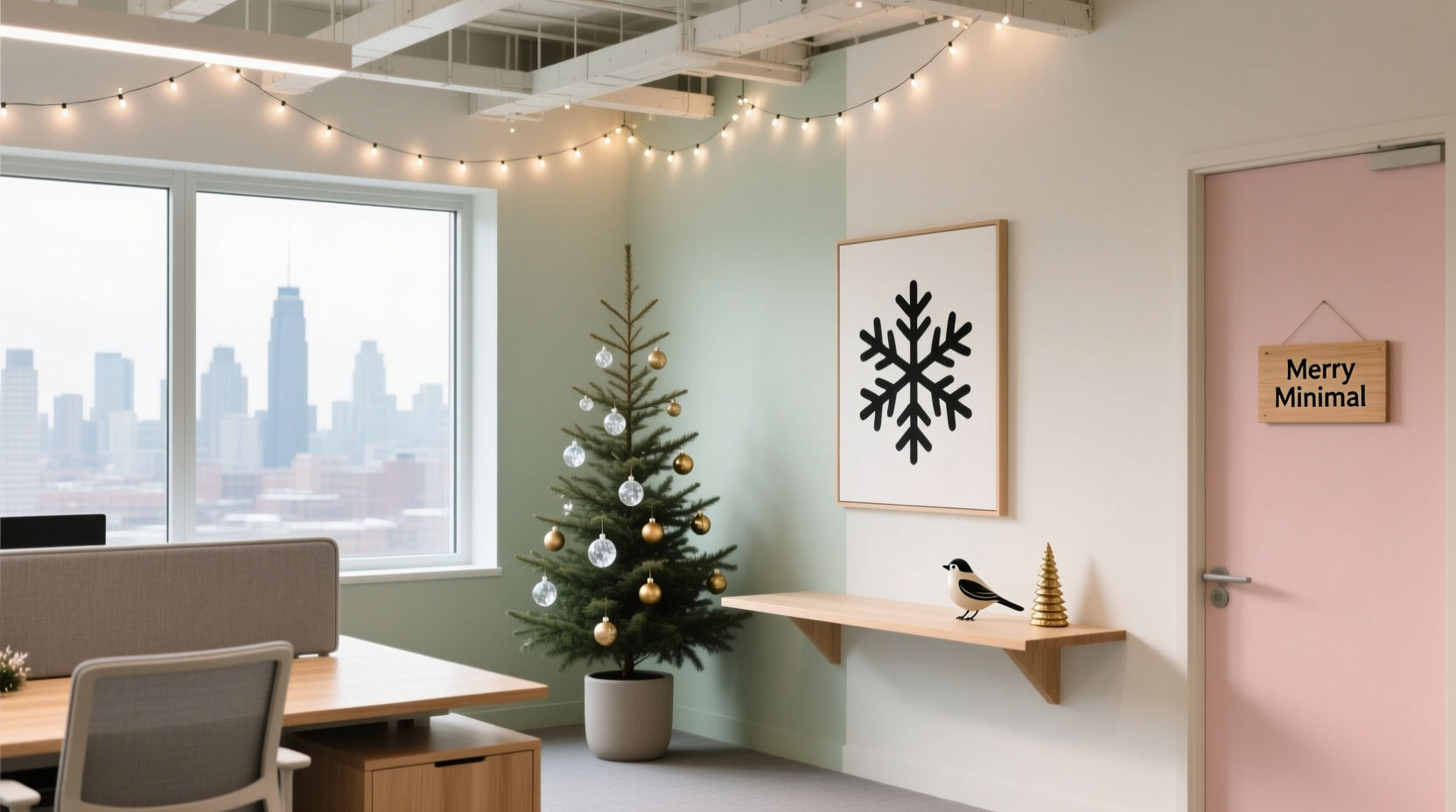
In any communal environment, personal expression must be balanced with collective comfort. An office is not a living room—decorations should support productivity, not compete with it. Before hanging a single ornament, consider the unwritten rules of shared space: neutrality, inclusivity, and functionality.
Start by assessing your team's diversity. Not all employees celebrate Christmas, and even among those who do, traditions vary widely. Opting for secular or nature-based themes—such as winter forests, twinkling lights, or evergreen accents—can honor the season without privileging one belief system. This approach aligns with modern workplace values of inclusion and respect.
Additionally, involve your team early. A quick poll or informal chat can reveal preferences and boundaries. Some may appreciate a small tree; others might prefer no decorations at all. Finding consensus doesn’t mean doing nothing—it means curating an experience everyone can tolerate, if not enjoy.
Create a Minimalist Holiday Aesthetic
Minimalism in holiday decor isn't about deprivation—it's about intentionality. Instead of filling every surface with tinsel and figurines, focus on a few high-impact elements that convey festivity through subtlety and quality.
Begin with lighting. String lights are perhaps the most effective minimalist tool. A single strand of warm-white fairy lights draped along a bookshelf, window frame, or cubicle partition adds ambiance without bulk. LED options are energy-efficient, cool to the touch, and safe around paper and electronics.
Next, consider natural materials. A small vase with pine sprigs, eucalyptus, or holly berries brings seasonal texture and scent without clutter. These elements decompose cleanly and can be replaced weekly, keeping the space fresh. Avoid artificial wreaths or plastic garlands that accumulate dust and signal low effort.
“Less decoration often creates more impact. A single thoughtful piece speaks louder than a dozen competing ornaments.” — Lena Torres, Interior Designer & Workplace Consultant
Finally, embrace negative space. Let surfaces breathe. A clean desk with a tiny reindeer figurine or a folded holiday card stands out precisely because it’s not surrounded by noise. Minimalism rewards attention to detail, not volume.
Step-by-Step Guide: Decorating Your Shared Office in 5 Steps
Follow this structured process to introduce holiday cheer responsibly and efficiently.
- Assess Space and Permissions: Measure common areas and confirm with management or facilities whether decorations are allowed. Note any restrictions on adhesives, electrical usage, or flammable materials.
- Survey Team Preferences: Send a brief anonymous survey asking colleagues if they’re comfortable with decorations, what types they’d welcome, and any concerns (e.g., allergies, religious neutrality).
- Select a Central Theme: Choose one unifying idea—such as “Winter Glow” or “Evergreen Elegance”—to guide your choices. This prevents a chaotic mix of styles.
- Install Key Pieces: Focus on 2–3 focal points: a modest table tree, a lighted display, or a seasonal centerpiece. Use battery-operated lights to avoid outlet congestion.
- Schedule Maintenance and Removal: Assign someone to check decor weekly and commit to removing everything within three business days after the holidays. Lingering decorations feel neglected, not nostalgic.
Do’s and Don’ts of Shared Office Decor
Navigating office decor etiquette requires awareness. The following table outlines best practices to maintain harmony and professionalism.
| Do | Don’t |
|---|---|
| Use battery-powered or USB lights for safety | Drape cords across walkways or overload outlets |
| Choose non-scented items to avoid triggering sensitivities | Use scented candles or strong potpourri |
| Keep decorations under 12 inches in height to preserve sightlines | Block windows, monitors, or whiteboards |
| Label shared decor with a note: “Community Use – Please Respect” | Claim space as personal without consultation |
| Remove all items promptly after January 2nd | Leave decorations up for weeks post-holiday |
Mini Case Study: The Balanced Breakroom Makeover
A mid-sized tech company in Portland faced recurring complaints each December: too many competing decorations, tangled lights, and leftover tinsel that lingered into February. In 2023, the office wellness committee introduced a new policy—“One Centerpiece Only.”
The team selected a simple birch-wood tray centerpiece featuring a miniature potted evergreen, two tea-light LEDs, and handwritten gratitude notes from staff. No Santa hats, no flashing signs, no music. They placed it on the breakroom counter, rotated weekly care duties, and scheduled removal for January 3rd.
Feedback was overwhelmingly positive. Employees reported feeling “festive but not overwhelmed,” and productivity metrics during the holiday week showed no dip. One engineer noted, “It felt like we acknowledged the season without letting it take over our workspace.” The model has since been adopted company-wide.
Checklist: Minimalist Office Holiday Prep
Use this checklist to ensure your decorating effort is efficient, inclusive, and tidy.
- ☐ Confirm decoration policy with HR or facilities
- ☐ Survey team on comfort level and preferences
- ☐ Choose a neutral, nature-inspired theme
- ☐ Select 1–3 key decor items (e.g., lights, plant, banner)
- ☐ Use only battery or USB-powered lighting
- ☐ Install decor by the third week of November to avoid last-minute rush
- ☐ Schedule a removal date and assign responsibility
- ☐ Document setup with photos for next year’s reference
FAQ: Common Questions About Office Holiday Decor
Can I decorate my own desk in a shared office?
Yes, but keep it contained. Small personal items like a mini tree or holiday mug are acceptable as long as they don’t encroach on others’ space, create noise, or emit scent. Always be mindful of visibility and distractions.
What if a coworker puts up something offensive or excessive?
Address it diplomatically. Start with a private conversation: “I noticed the inflatable snowman—it’s fun, but it’s blocking the printer. Could we adjust the placement?” If uncomfortable, escalate to a manager or use an anonymous suggestion box.
Are there non-Christmas alternatives for inclusive holiday decor?
Absolutely. Consider “Winter Wellness” themes with snowflakes, stars, icy blues, and silvers. Alternatively, focus on gratitude—install a board where employees share what they’re thankful for. This celebrates the spirit of the season without religious specificity.
Conclusion: Celebrate Thoughtfully, Not Excessively
Decorating a shared office for the holidays isn’t about how much you add—it’s about how meaningfully you enhance the space. With minimalism as your guide, you can foster a sense of seasonal joy that respects boundaries, supports focus, and unites teams. The most memorable offices aren’t the ones covered in lights—they’re the ones where people feel seen, included, and at ease.
This year, resist the urge to over-decorate. Choose one beautiful element. Invite collaboration. Prioritize cleanup. Let the holiday spirit shine through consideration, not clutter.




 浙公网安备
33010002000092号
浙公网安备
33010002000092号 浙B2-20120091-4
Comments
No comments yet. Why don't you start the discussion?