
Living in a compact apartment or working with a limited square footage doesn’t mean sacrificing style or comfort. With thoughtful design choices, even the smallest of spaces can exude openness, airiness, and elegance. The key lies not in how much space you have, but in how you use it. By manipulating light, color, furniture scale, and visual flow, you can transform a cramped room into a bright, expansive-feeling sanctuary. This guide breaks down proven interior design principles that professionals use to amplify space and light—practical, affordable, and effective for any home.
Use Light Color Palettes Strategically
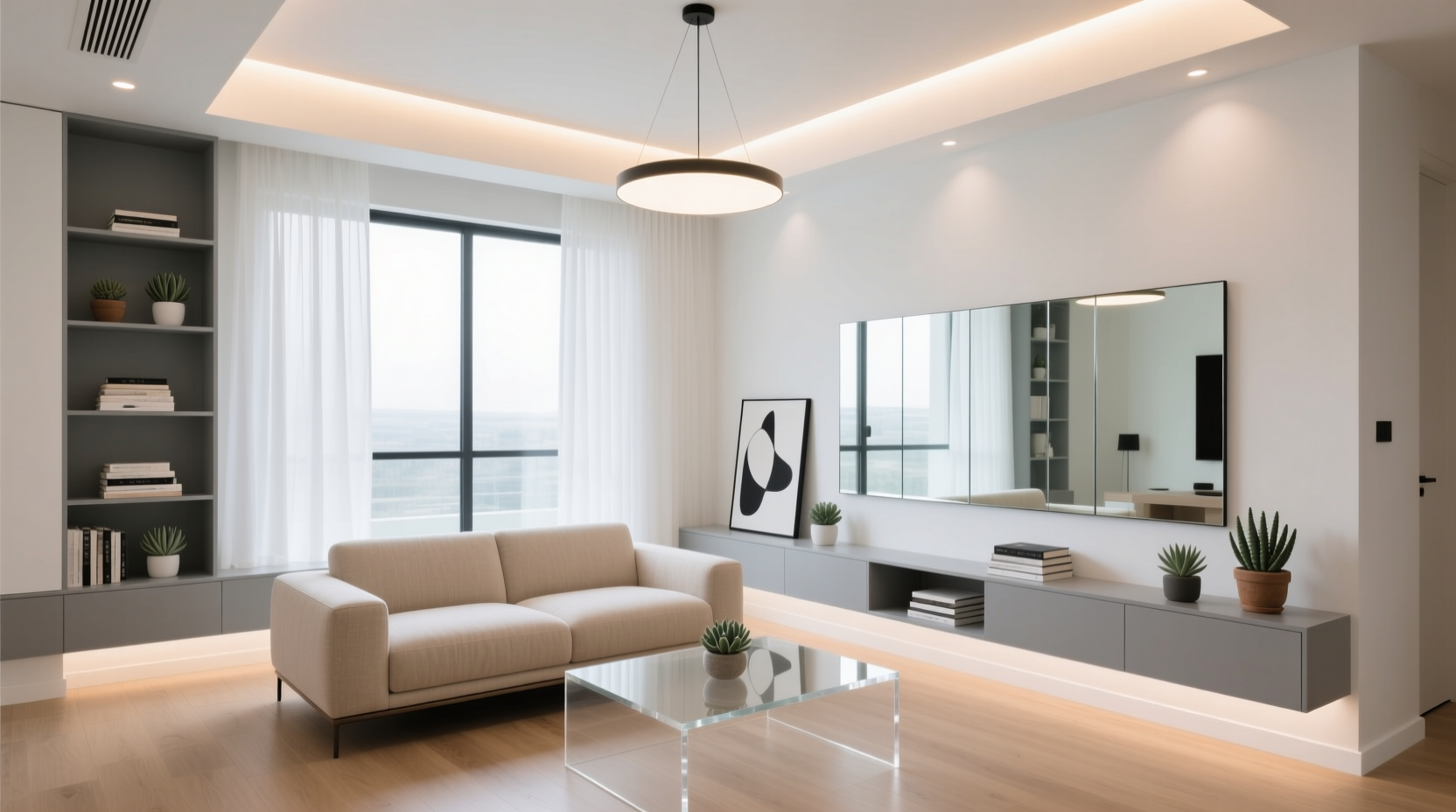
Color is one of the most powerful tools in creating the illusion of space. Light hues reflect natural and artificial light, making rooms appear more open and airy. White, soft gray, pale beige, and muted pastels are go-to choices for walls, ceilings, and large furnishings. But a monochromatic scheme doesn’t have to be boring. Layering different tones within the same color family adds depth without overwhelming the eye.
Avoid dark or saturated colors on large surfaces like walls or sofas—they absorb light and make ceilings feel lower and walls closer. If you crave contrast, reserve bolder shades for accessories, artwork, or a single accent wall opposite the main light source.
Maximize Natural and Artificial Lighting
Light defines perception. A well-lit room feels larger than a dim one, regardless of actual size. Prioritize access to natural light by keeping windows unobstructed. Use sheer or light-filtering curtains instead of heavy drapes. If privacy is a concern, consider top-down shades or translucent roller blinds that allow daylight in while maintaining discretion.
Layer your artificial lighting to mimic natural conditions. Relying solely on a central ceiling fixture creates shadows and flatness. Instead, combine ambient, task, and accent lighting:
- Ambient: Overhead fixtures or recessed lights for general illumination.
- Task: Desk lamps, under-cabinet lighting, or reading sconces.
- Accent: LED strips behind shelves, floor lamps in corners, or picture lights.
Mirrors placed opposite or adjacent to windows amplify daylight by reflecting it deeper into the room. For maximum effect, position a large mirror or a cluster of smaller ones where they’ll catch sunlight during peak hours.
“Light is the silent architect of space. In small interiors, every lumens counts.” — Lena Torres, Interior Designer & Author of *Small Spaces, Big Impact*
Select Furniture That Scales with Your Space
One of the most common mistakes in small-space decorating is choosing oversized furniture. A bulky sectional or wide dining table can dominate a room, leaving little room to move. Opt for pieces designed with proportion in mind: low-profile sofas, armless chairs, nesting tables, and extendable dining sets.
Furniture with exposed legs creates visual breathing room. When you can see the floor beneath a sofa or coffee table, the space feels less cluttered and more continuous. Transparent materials like glass or acrylic also help—think lucite side tables or a glass-top desk—that provide function without visual weight.
Multi-functional furniture is essential. A storage ottoman doubles as seating and hidden organization. A daybed works as a couch by day and a guest bed at night. Wall-mounted desks fold away when not in use. These pieces reduce clutter and maintain spatial flow.
| Furniture Type | Best Choice for Small Spaces | Avoid |
|---|---|---|
| Sofa | Armless or low-back with legs | Bulkier sectionals with deep seats |
| Dining Table | Round, extendable, or drop-leaf | Large rectangular tables |
| Storage | Built-in shelves, ottomans with lids | Overstuffed cabinets |
| Bed | Platform with under-bed drawers | High canopy frames |
Create Visual Continuity with Layout and Flow
The way furniture is arranged dramatically affects perceived space. Avoid pushing all pieces against the walls—it can make a room feel like a hollow box. Instead, float key items like a sofa or rug slightly inward to define zones without blocking movement.
In studio apartments or open-plan areas, use area rugs, lighting, and furniture groupings to delineate functional zones: a living nook here, a workspace there, a sleeping corner beyond. This approach maintains openness while adding purpose to each section.
Keep pathways clear. A minimum of 24–30 inches of walking space between furniture allows for easy navigation and prevents the room from feeling congested. Arrange seating to encourage conversation, not obstruction.
Real Example: Transforming a 350-Square-Foot Studio
When Maria moved into her downtown studio apartment, she struggled with the feeling of being “boxed in.” The kitchenette opened directly into the sleeping area, and the only window faced a brick wall. Working with a designer, she implemented several spatial illusions:
- Painted walls and ceiling in warm white (Benjamin Moore OC-17).
- Installed a full-length mirror on the closet door, angled toward the window.
- Replaced her double bed with a queen platform bed featuring built-in drawers.
- Used a transparent acrylic dining table with two upholstered chairs.
- Added layered lighting: recessed ceiling spots, a swing-arm wall lamp by the bed, and an arc floor lamp in the living zone.
The result? The room felt 40% larger. Natural light bounced off the mirror into the kitchen, the bed freed up floor space, and distinct zones made daily routines more intuitive. Visitors often assumed the apartment was over 500 square feet.
Incorporate Vertical Design Elements
When floor space is limited, look up. Tall bookshelves, floor-to-ceiling curtains, and vertical artwork draw the eye upward, emphasizing height and reducing the feeling of confinement. Install shelving units close to the ceiling to store infrequently used items and avoid visual truncation.
Curtains hung 4–6 inches above the window frame and extending beyond the sides by several inches create the illusion of larger windows and higher ceilings. Pair this with slim curtain rods and minimal hardware to keep the focus on the architectural enhancement.
Vertical stripes on wallpaper or paint can also elongate walls. Choose subtle tonal contrasts rather than bold patterns to maintain a calm, airy atmosphere.
Minimize Clutter with Smart Storage Solutions
No design trick can overcome visual chaos. Clutter shrinks space faster than any other factor. Adopt a “one in, one out” rule: for every new item brought in, remove an old one. Use hidden storage wherever possible—under-bed bins, ottomans with compartments, floating shelves, and multi-tiered baskets.
Go digital where you can. Replace bulky DVD collections with streaming services. Scan documents and store them in the cloud. Keep countertops clear in kitchens and bathrooms—only display what’s beautiful or frequently used.
Checklist: 7 Steps to Make a Small Space Feel Larger and Brighter
- ✅ Paint walls and ceiling in light, cohesive tones.
- ✅ Maximize natural light with sheer window treatments.
- ✅ Add mirrors opposite or near windows.
- ✅ Use layered lighting (ambient, task, accent).
- ✅ Choose furniture with exposed legs or transparent materials.
- ✅ Float furniture to define zones without blocking flow.
- ✅ Declutter regularly and use concealed storage.
Common Mistakes to Avoid
Even with good intentions, some decor choices backfire in small spaces. Be mindful of these pitfalls:
- Over-accessorizing: Too many decorative objects compete for attention and create visual noise.
- Using oversized rugs: A rug that doesn’t fit the furniture grouping can make the room feel disjointed.
- Blocking windows or radiators: Curtains or furniture placed in front of light sources negate their impact.
- Ignoring scale: A massive painting on a tiny wall overwhelms; opt for smaller art in clusters instead.
FAQ
Can I use dark colors in a small space?
Yes, but sparingly. Dark hues can work on a single accent wall or in accessories, especially if balanced with ample lighting and reflective surfaces. Entirely dark rooms tend to feel cave-like unless they have strong natural light and high ceilings.
What kind of mirror works best?
A large, lean-on mirror or a wall-mounted piece opposite a window delivers the strongest effect. Ornate frames can add character, but avoid overly busy designs that distract from the reflection. Round or arched mirrors soften angular spaces.
How do I make a windowless room feel bigger?
Focus on artificial lighting: use multiple sources at varying heights. Incorporate mirrors to simulate depth. Choose glossy finishes on walls or furniture to reflect light. Use consistent color throughout to avoid visual segmentation.
Conclusion: Redefine What Small Means
A small space isn’t a limitation—it’s an invitation to design with intention. Every choice, from paint sheen to lamp placement, contributes to how open and luminous your environment feels. By embracing light colors, strategic lighting, scaled furniture, and clean lines, you can craft a home that breathes, welcomes, and inspires. The goal isn’t to hide the size of your space, but to celebrate its potential. Thoughtful decoration turns constraints into character, proving that brightness and spaciousness are states of mind shaped by design.




 浙公网安备
33010002000092号
浙公网安备
33010002000092号 浙B2-20120091-4
Comments
No comments yet. Why don't you start the discussion?