
Holiday traditions are deeply rooted in sight—twinkling lights, shimmering tinsel, red-and-green color schemes—but for visually impaired family members, these visual cues can create distance from the season’s emotional core. The Christmas tree, often the centerpiece of celebration, can become an inaccessible decoration if it relies solely on appearance. However, by shifting focus from sight to touch, sound, and scent, families can transform their tree into an inclusive, multi-sensory experience that everyone can engage with meaningfully.
Decorating a tree with tactile ornaments isn’t just about accessibility; it’s about redefining tradition to be more thoughtful, engaging, and emotionally resonant. When done intentionally, a tactile tree becomes a shared project where every family member contributes, explores, and connects. This approach fosters empathy, encourages creativity, and strengthens bonds during the holidays.
Why Tactile Ornaments Matter
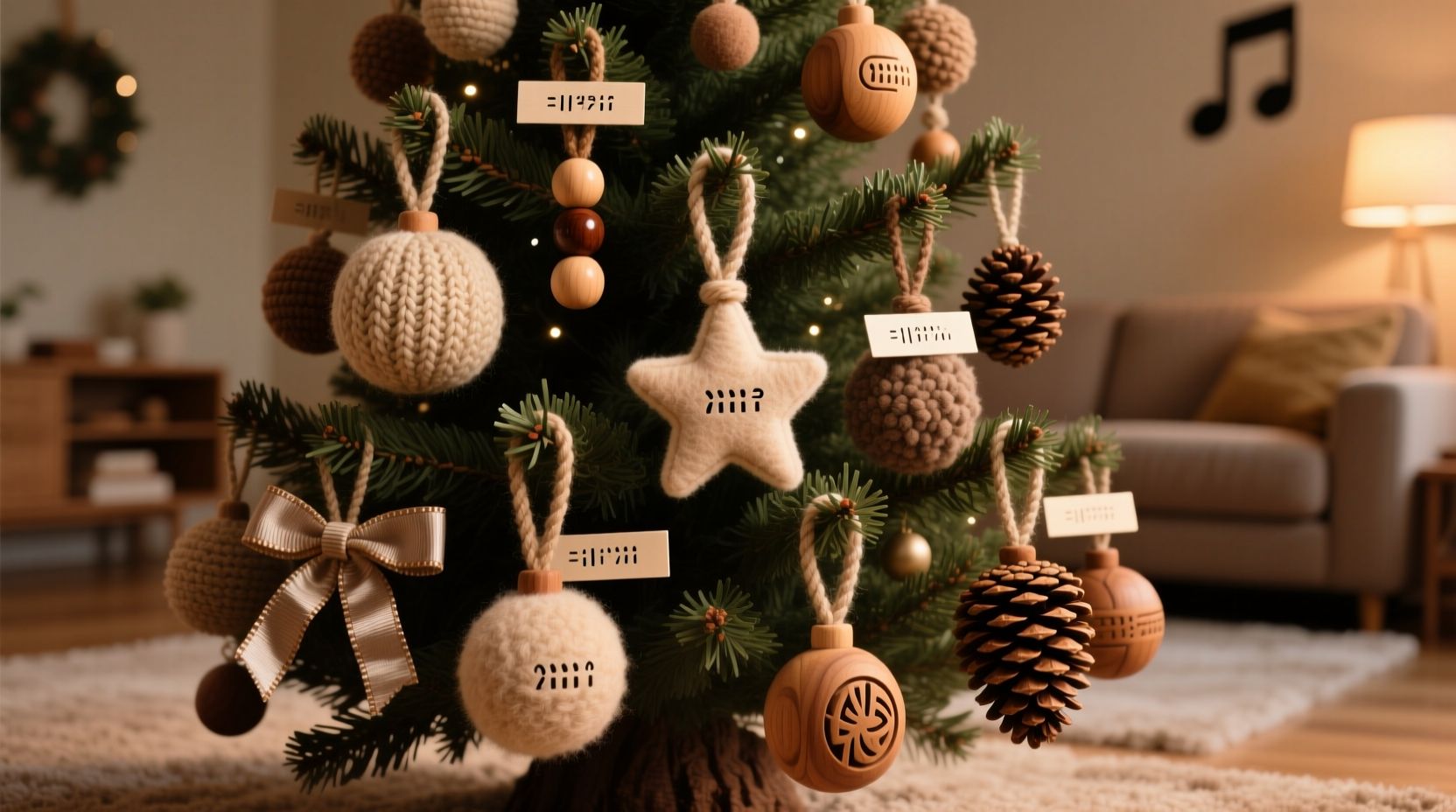
For individuals who are blind or have low vision, the world is experienced primarily through touch, sound, smell, and spatial awareness. Visual holiday displays may be described, but they cannot be fully participated in without alternative sensory input. Tactile ornaments bridge this gap by offering physical interaction with holiday symbols.
A velvet-covered star, a wooden bell that jingles softly, or a pinecone dusted with cinnamon—all invite exploration. These elements allow visually impaired individuals not only to “see” the tree but to feel its story. More importantly, they gain autonomy in decorating, choosing which ornaments to hang and where, reinforcing inclusion and agency.
“Accessibility in holiday spaces isn’t about accommodation—it’s about belonging. When someone can independently interact with a decoration, they’re no longer observing the tradition; they’re living it.” — Dr. Lena Torres, Inclusive Design Researcher, National Center for Accessible Holidays
Designing a Multi-Sensory Tree: Key Elements
A truly inclusive tree engages multiple senses beyond sight. While touch is central, incorporating sound, scent, and even temperature variations deepens the experience. Consider each ornament as a sensory prompt—an invitation to explore, remember, and celebrate.
Texture Variety
Different textures stimulate tactile recognition and memory. Combine smooth glass (if safe), rough burlap, soft felt, carved wood, ribbed metal, and fuzzy fabric to create contrast. Avoid sharp edges or small detachable parts unless securely fastened.
Sound Integration
Incorporate ornaments that make gentle sounds when touched. Small bells, chimes, or rustling paper cones add auditory interest. Ensure sounds are soft and non-startling—this enhances discovery without causing discomfort.
Scented Components
Natural materials like dried citrus slices, cinnamon sticks, or pinecones release subtle fragrances that evoke seasonal memories. Attach these securely using wire or twine. Avoid synthetic air fresheners, which can trigger sensitivities.
Temperature and Weight
Metal ornaments feel cooler than wood or fabric. Heavier items provide a sense of substance and permanence. Varying weights help distinguish between ornaments and make placement a deliberate act.
Step-by-Step Guide to Creating a Tactile Tree
Building a tactile-friendly tree requires planning, creativity, and collaboration. Follow this sequence to ensure a safe, engaging, and memorable experience.
- Choose the Right Tree: Opt for a real pine or fir tree if possible—its natural scent and sturdy branches support heavier ornaments. If using an artificial tree, select one with wide, stable limbs spaced apart for easy access.
- Set Up at an Accessible Height: Position the tree at waist or chest level for seated or standing comfort. Avoid placing it behind furniture or in high-traffic areas.
- Prepare Tactile Ornaments: Gather or craft items with varied textures, sounds, and scents. Use durable materials and secure all attachments.
- Create a Layout Zone: Place ornaments on a nearby table with space for sorting. Arrange them by texture or theme so individuals can explore choices before hanging.
- Invite Participation: Encourage family members to choose and place their own ornaments. Offer verbal descriptions of location (“top left branch,” “near the front”) to aid spatial orientation.
- Add Braille or Raised Labels: Attach simple labels using braille stickers or raised-dot markers so users can identify ornaments independently.
- Incorporate Lighting Safely: Use LED string lights with cool-to-touch bulbs. Keep cords secured and out of walkways. Some visually impaired individuals appreciate the warmth or faint glow of lights, even with limited vision.
- Final Walkthrough: Once decorated, guide each person through a hands-on tour of the tree, highlighting favorite pieces and their locations.
“We started making tactile ornaments with our daughter after she lost her vision at age seven. Now, the tree isn’t complete until she hangs her handmade felt snowman. It’s not just decoration—it’s identity.” — Maria Chen, parent and advocate for inclusive education
DIY Tactile Ornament Ideas
Creating your own ornaments ensures safety, personalization, and meaningful symbolism. Below are practical, easy-to-make options using household or craft-store materials.
- Felt Animals: Cut shapes of reindeer, owls, or bears from colored felt. Add buttons for eyes (sewn tightly), yarn tails, and ribbon scarves. Felt remains soft and recognizable by touch.
- Wooden Shapes: Sand small wooden cutouts (stars, trees, hearts) to a smooth finish. Engrave names or years with a wood-burning tool for lasting significance.
- Scented Pinecone Bundles: Collect pinecones, brush clean, and lightly coat with melted beeswax mixed with cinnamon or clove oil. Tie with jute string for hanging.
- Beaded Bells: String large wooden beads onto a metal bell’s loop. The beads rattle gently when moved, adding both texture and sound.
- Textured Baubles: Cover lightweight foam balls with different fabrics—burlap, velvet, lace, or faux fur. Secure with non-toxic glue and attach sturdy hooks.
Do’s and Don’ts of Tactile Tree Decorating
| Do’s | Don’ts |
|---|---|
| Use sturdy, shatterproof materials like wood, felt, or thick plastic. | Use glass ornaments—they pose breakage and injury risks. |
| Secure all small parts with strong adhesive or stitching. | Leave loose beads or buttons that could detach and become choking hazards. |
| Label ornaments with braille, puff paint, or unique textures. | Assume verbal description is enough—enable independent identification. |
| Include a mix of light and heavy ornaments for sensory contrast. | Overload branches, making them fragile or hard to navigate by touch. |
| Test sound levels—ensure chimes are soft and pleasant. | Use loud or electronic sounds that may startle or overwhelm. |
Real Example: The Miller Family’s Inclusive Tree Tradition
The Millers began adapting their holiday tree after their grandfather, Robert, lost most of his vision due to macular degeneration. Initially, he would sit quietly during decorating, listening while others described the colors and themes. “I felt like a guest at my own family’s party,” he recalled.
That year, his granddaughter Emma, a middle school art student, proposed making “touchable ornaments.” She crafted a series of wooden stars sanded smooth, each engraved with a family member’s initial. She added small bells inside some and glued on strips of different fabrics—velvet, corduroy, silk—to others.
They arranged the tree at a lower height and placed a bench beside it. During decoration night, Robert was invited to select and hang his favorites. As he ran his fingers over the textures, he laughed. “This red one feels like my old winter coat,” he said. “And this bumpy one—like the sidewalk near the bakery.”
Now, the tactile tree is their most cherished tradition. Each year, new ornaments reflect family events—a seashell from a vacation, a braided leather tag from a pet who passed, a cinnamon-scented apple slice. Robert leads the final walkthrough, describing each piece from memory and touch. “It’s not just a tree,” he says. “It’s our story you can hold in your hands.”
Checklist: Preparing Your Tactile Holiday Tree
Use this checklist to ensure your tree is welcoming, safe, and engaging for visually impaired family members.
- ☑ Choose a tree with accessible placement and stable branches
- ☑ Gather or create at least 10 tactile ornaments with varied textures
- ☑ Include 2–3 sound-making ornaments (bells, chimes)
- ☑ Add 1–2 scented elements (cinnamon, citrus, pine)
- ☑ Label ornaments with braille, puff paint, or distinct shapes
- ☑ Test all hooks and strings for durability
- ☑ Arrange a sorting station with clear reach and organization
- ☑ Use safe, cool LED lights if including illumination
- ☑ Invite all family members to participate in the decorating process
- ☑ Conduct a post-decoration sensory walkthrough
Frequently Asked Questions
Can tactile ornaments be used alongside traditional ones?
Yes, absolutely. A hybrid tree works well—just ensure tactile ornaments are distributed evenly around the tree, not clustered in one area. This allows full participation without segregating “accessible” decorations.
What if a family member has both vision and mobility impairments?
Adapt further by lowering the tree, using lighter-weight ornaments, or creating a tabletop version. Consider magnetic or Velcro-based hanging systems for easier attachment. Always prioritize comfort and independence in positioning and design.
Are there commercial tactile ornaments available?
Yes, though selection is limited. Some specialty retailers and nonprofit organizations (such as the American Foundation for the Blind or Braille Institute) offer holiday kits with textured decorations. However, handmade items often carry deeper personal meaning and can be tailored to individual preferences.
Conclusion: Building Belonging Through Touch
Decorating a tree with tactile ornaments is more than a creative project—it’s an act of love and inclusion. It acknowledges that traditions should evolve to embrace everyone at the table, especially during times meant for connection. By designing a tree that speaks through touch, sound, and scent, families create space where no one is left on the outside looking in.
This holiday season, consider how small changes can yield profound impact. Let the tree tell a story not just through sparkle, but through sensation. Invite hands to explore, memories to surface, and voices to share what each ornament means. In doing so, you’re not just decorating—you’re affirming that every member of your family belongs.




 浙公网安备
33010002000092号
浙公网安备
33010002000092号 浙B2-20120091-4
Comments
No comments yet. Why don't you start the discussion?