
Fabric backpacks are durable, versatile, and often carry more than just books—they hold daily essentials, gym clothes, snacks, and even the occasional forgotten banana. Over time, this constant use leads to buildup of dirt, sweat, odors, and stains. While the urge to toss it in the washing machine may be strong, doing so incorrectly can lead to irreversible damage: shrinking, color bleeding, or weakened seams. The good news is that with the right approach, you can deep clean your backpack safely and restore it to near-new condition—without compromising its shape or hue.
This guide walks through every step of a thorough, fabric-friendly cleaning process. From identifying your backpack’s material to removing stubborn grime and drying it properly, these methods preserve integrity while eliminating odor and discoloration. Whether it’s a cotton canvas daypack, a nylon hiking rucksack, or a polyester school bag, the techniques below apply across the board—with adjustments for sensitivity.
Step 1: Assess Your Backpack’s Material and Care Needs
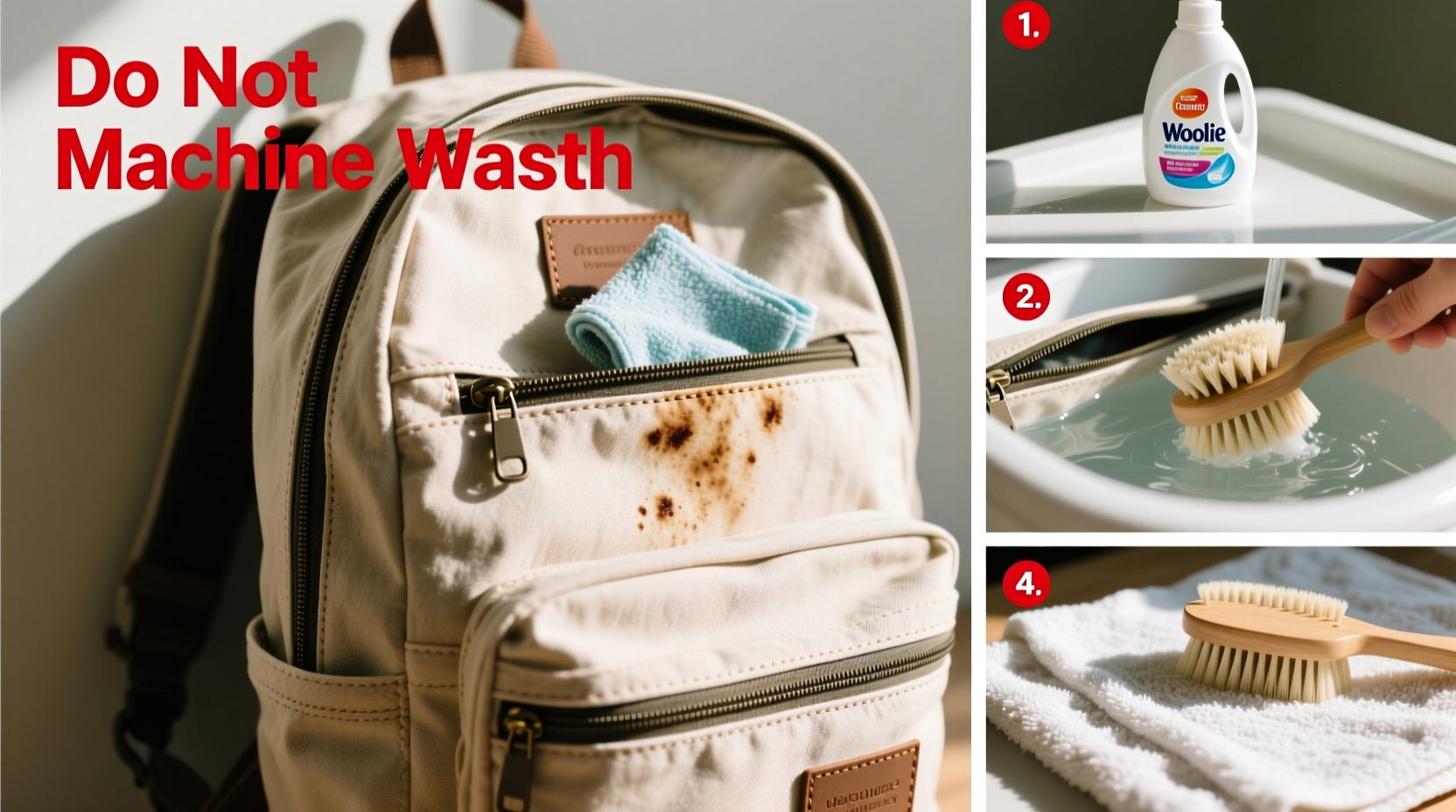
Not all fabrics react the same way to water, detergents, or agitation. Before any cleaning begins, examine the care label—usually found on a small tag inside a pocket or along a seam. If no label exists, inspect the texture, stitching, and construction to determine the primary material.
| Material Type | Cleaning Sensitivity | Recommended Method | Avoid |
|---|---|---|---|
| Cotton Canvas | Moderate (can shrink if washed hot) | Hand wash, cold water, mild soap | Hot water, machine wash, dryer |
| Nylon/Polyester | Low (resistant to water and fading) | Spot clean or hand wash with gentle detergent | Bleach, high heat, abrasive scrubbing |
| Waxed Cotton | High (water damages wax coating) | Damp cloth wipe only; re-wax after cleaning | Submersion, detergent, machine wash |
| Mesh Panels (common in ventilation zones) | Delicate (prone to tearing) | Gentle spot cleaning with soft brush | Scrubbing, wringing, twisting |
If unsure about the fabric, perform a spot test in an inconspicuous area. Dampen a cotton swab with diluted mild detergent and gently rub a hidden section (like under a flap). Wait 10 minutes. Check for color transfer, texture change, or water absorption. If no adverse reaction occurs, proceed cautiously.
Step 2: Prepare the Backpack for Cleaning
Proper preparation prevents damage during cleaning and ensures better results. Start by emptying all compartments completely. Remove any loose items, papers, pens, or crumbs. Turn out pockets and shake the bag upside down over a trash can.
Next, detach any removable parts: key clips, hydration sleeves, sternum straps, or padded inserts. These often require separate cleaning and can get damaged if left attached. If your backpack has electronic components (e.g., USB port wiring), do not proceed with wet cleaning unless explicitly rated as wash-safe.
Close all zippers and fasten buckles to protect the teeth from snagging. This also helps maintain the bag’s shape during cleaning. For heavily soiled areas, pre-treat stains now rather than later.
Pre-Treatment for Common Stains
- Sweat & Odor: Mix 1 tablespoon baking soda with 2 tablespoons water into a paste. Apply to shoulder straps and back panel, let sit 15 minutes, then gently scrub.
- Ink Marks: Dab with rubbing alcohol (isopropyl) on a cotton ball. Blot—don’t rub—to avoid spreading.
- Grass or Mud: Allow mud to dry first, then brush off. Treat green stains with a drop of enzyme-based cleaner.
- Food Residue: Use a mix of dish soap and warm water. Spot clean immediately to prevent mold growth.
“Pre-treating localized stains before full cleaning reduces the need for aggressive scrubbing, which preserves fabric fibers and dyes.” — Lena Patel, Textile Restoration Specialist
Step 3: Choose the Right Cleaning Method
There are three main approaches to deep cleaning a fabric backpack: hand washing, sponge bathing, and targeted spot cleaning. The best method depends on material type, level of soiling, and structural complexity.
Option A: Hand Washing (Best for Moderately Soiled Cotton or Synthetic Bags)
- Fill a bathtub or large basin with cold water.
- Add one capful of mild liquid detergent (free of bleach or brighteners).
- Submerge the backpack fully, pressing it gently to allow water penetration.
- Let soak for 20–30 minutes—no longer, to avoid weakening fibers.
- Use a soft-bristle brush or microfiber cloth to scrub dirty areas (straps, bottom panel, zipper tracks).
- Rinse thoroughly with cold running water until suds disappear.
- Press out excess water—never twist or wring, as this distorts shape and strains seams.
Option B: Sponge Bath (Ideal for Delicate or Waxed Fabrics)
This method avoids full saturation. Dip a clean sponge into a solution of cold water and a few drops of castile or wool wash. Wipe down each panel systematically, starting from the top. Use a toothbrush for crevices around zippers and hardware. Immediately follow with a damp sponge using plain water to rinse soap residue. Dry promptly with a towel.
Option C: Spot Cleaning Only (For Structured or Laminated Backpacks)
If your backpack contains molded padding, insulation, or waterproof layers (common in laptop sleeves), submersion risks delamination. Instead, focus on surface cleaning. Mix equal parts white vinegar and water in a spray bottle. Lightly mist stained areas, then blot with a lint-free cloth. Vinegar neutralizes odors and lifts light grime without harsh chemicals.
Step 4: Drying Without Damage
Drying is where most people accidentally ruin their backpacks. Heat from dryers causes shrinkage, especially in cotton blends. Sunlight, while tempting for disinfecting, fades dyes and weakens UV-sensitive synthetics like nylon.
The safest method is air drying in a well-ventilated, shaded area. Hang the backpack upside down from a padded hanger or clothesline using S-hooks through the top handle—not the shoulder straps, which can stretch. Place a dry towel inside the main compartment to absorb internal moisture and help retain shape.
Allow 24–48 hours for complete drying. Do not rush the process with fans or heaters, as rapid evaporation can create moisture pockets that encourage mildew. If the bag still smells musty after drying, place an open box of baking soda inside overnight to absorb lingering odors.
“Improper drying accounts for 70% of post-cleaning failures—from shrinkage to seam splitting. Patience here pays off in longevity.” — Marcus Tran, Outdoor Gear Technician at Alpine Repair Co.
Step 5: Maintenance Checklist for Long-Term Care
Deep cleaning shouldn’t be needed more than once every 3–6 months under normal use. Between sessions, preventive care keeps your backpack fresh and reduces wear. Follow this monthly maintenance checklist:
- ✅ Empty and shake out debris weekly
- ✅ Wipe down exterior with a damp microfiber cloth
- ✅ Clean zipper teeth with an old toothbrush
- ✅ Inspect straps and stitching for fraying
- ✅ Store in a cool, dry closet away from direct sunlight
- ✅ Use a backpack cover in rainy conditions to minimize frequent washes
For nylon or polyester packs exposed to heavy outdoor use, consider applying a fabric protector spray every 6 months. Products like Nikwax Tech Wash or Grangers Performance Repel renew water resistance without clogging pores or altering color.
Real Example: Reviving a College Student’s Overused Backpack
Jamal, a third-year university student, relied on a navy-blue polyester backpack for two years. By winter semester, it was streaked with coffee spills, grimy along the base, and emitted a sour smell from packed lunches. He almost donated it—until he followed a controlled hand-washing method.
He removed the laptop sleeve, pre-treated stains with baking soda paste, and soaked the bag in cold soapy water for 25 minutes. After careful rinsing and towel-drying, he hung it in his dorm bathroom with the door open for airflow. Two days later, the backpack looked visibly cleaner, retained its original color, and no longer smelled. Jamal reported that the zippers moved smoother and the shoulder pads felt fresher against his skin. With proper drying, there was zero shrinkage or seam damage.
This case illustrates that even heavily used bags can be restored with patience and precision—no special equipment required.
FAQ: Common Questions About Fabric Backpack Cleaning
Can I put my fabric backpack in the washing machine?
Only if the manufacturer explicitly states it’s machine-washable. Even then, use a cold, delicate cycle inside a pillowcase to reduce agitation. However, hand washing remains the safest option to prevent distortion and fading.
Why did my backpack shrink after washing?
Shrinkage usually occurs due to exposure to hot water or mechanical tumbling in a washer/dryer. Natural fibers like cotton are especially prone. Always use cold water and never use a dryer—air dry only.
How do I prevent color fading over time?
Avoid prolonged sun exposure, bleach-based cleaners, and washing with dark or red garments that may bleed. When cleaning, turn the backpack inside out if possible, and use color-safe, pH-neutral detergents.
Conclusion: Keep Your Backpack Fresh, Functional, and Fade-Free
A clean backpack isn’t just about appearance—it affects hygiene, comfort, and durability. By understanding your bag’s fabric, choosing the right cleaning technique, and drying it properly, you can deep clean without fear of ruining it. The process takes time, but the payoff is a refreshed, odor-free companion ready for another season of reliable service.
Don’t wait until your backpack looks beyond saving. Implement regular maintenance and schedule a thoughtful deep clean when needed. Your future self—and anyone sitting next to you on the bus—will thank you.




 浙公网安备
33010002000092号
浙公网安备
33010002000092号 浙B2-20120091-4
Comments
No comments yet. Why don't you start the discussion?